

Time:2025-10-17
In today's world, sensors are everywhere. They help automate our homes, offices, and factories, making life more convenient and efficient. Among the many types of sensors, ceiling sensors play a crucial role in detecting motion, light, and other environmental factors. However, to ensure these sensors work accurately, they must be properly calibrated. This article will guide you through the calibration procedures for ceiling sensor detection patterns, ensuring optimal performance and accuracy.
Before diving into the calibration procedures, it's essential to understand what ceiling sensors are and how they function. Ceiling sensors are devices mounted on ceilings to detect motion, light levels, or other environmental changes. They are commonly used in lighting systems, security systems, and HVAC systems to automate operations based on the detected conditions.
There are various types of ceiling sensors, each designed for specific applications:
Motion Sensors: Detect movement within a specified area and are often used in security systems or automatic lighting.
Light Sensors: Measure the amount of ambient light and adjust lighting systems accordingly.
Temperature Sensors: Monitor the temperature in a room, often used in HVAC systems.
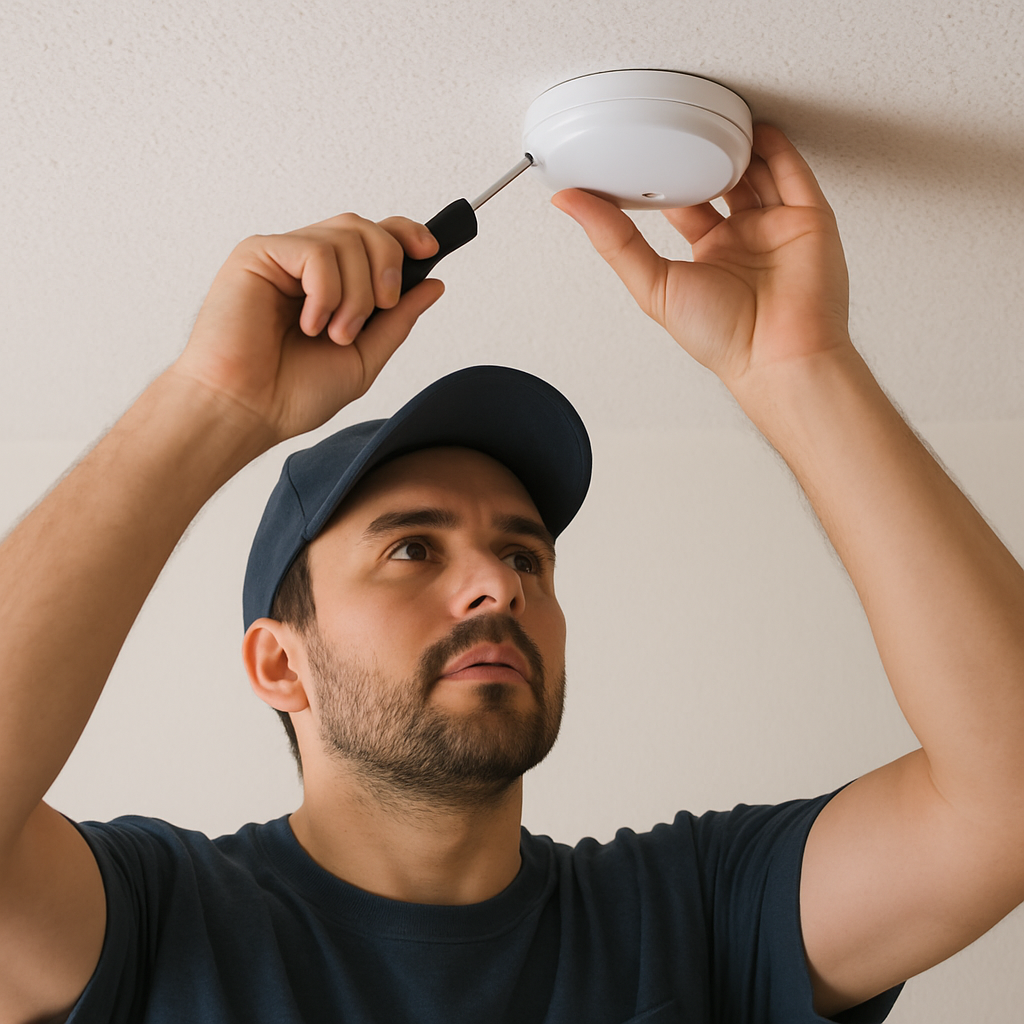
Calibration is the process of adjusting the sensor's settings to ensure accurate readings and reliable performance. Without proper calibration, ceiling sensors may provide false readings, leading to inefficiencies or even safety hazards.
Accuracy: Ensures the sensor accurately detects the intended parameters.
Efficiency: Enhances the performance of systems using the sensors by providing precise data.
Longevity: Reduces wear and tear by preventing the sensor from working harder than necessary.
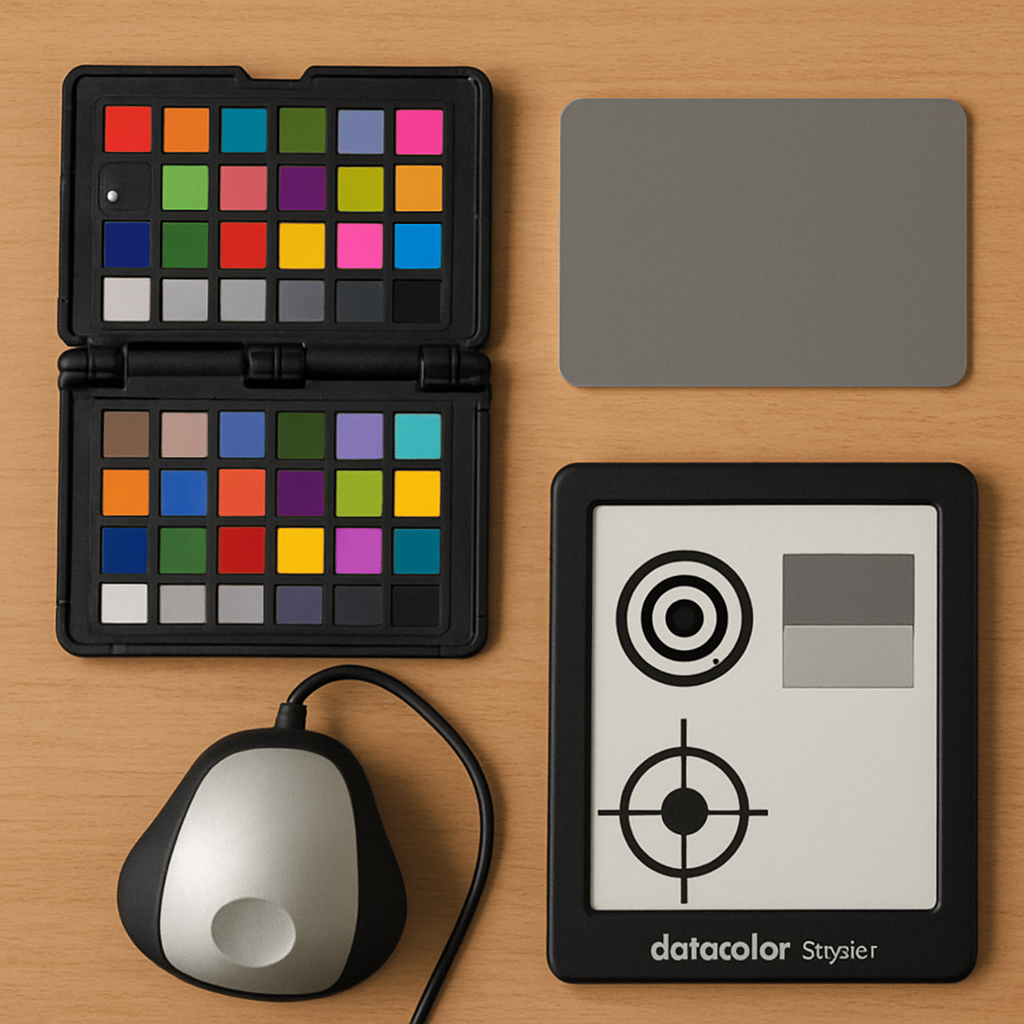
Calibrating a ceiling sensor involves several steps. The procedures can vary depending on the type of sensor and its application. Here, we outline general steps applicable to most ceiling sensors.
Before starting the calibration process, gather all necessary tools and equipment. This may include:
A ladder or scaffolding to reach the ceiling sensor
Calibration tools specific to the sensor type
The sensor's user manual or technical guide
Safety gear, such as gloves and goggles
Power Down: Ensure the sensor and its connected systems are powered off to prevent accidental activation during calibration.
Access the Sensor: Use a ladder to safely reach the sensor. If necessary, remove any coverings or enclosures to access the sensor's adjustment controls.
Locate Adjustment Controls: Refer to the user manual to identify the sensor's adjustment controls. These may include dials, buttons, or software interfaces.
Set Detection Range: Adjust the sensor's detection range to cover the desired area. This may involve setting the sensitivity or field of view.
Fine-Tune Sensitivity: Adjust the sensitivity to ensure the sensor detects the intended stimuli without false triggers. This can often be done through trial and error, observing the sensor's response to different stimuli.
Power On: Once adjustments are made, power the sensor and connected systems back on.
Conduct Tests: Test the sensor's performance by simulating different conditions. For motion sensors, walk in and out of the detection area. For light sensors, adjust the ambient light levels.
Observe and Adjust: Note any discrepancies or false readings and make further adjustments as necessary.
Record Settings: Document the final settings for future reference. This can be helpful if recalibration is needed or if issues arise.
Secure the Sensor: Ensure all covers and enclosures are securely replaced to protect the sensor from dust and damage.
Calibrating ceiling sensors can present certain challenges. Being aware of these can help you overcome them:
Access Difficulty: Reaching ceiling-mounted sensors can be challenging. Ensure you have stable and safe access equipment.
Environmental Factors: Changes in the environment, such as temperature or humidity, can affect calibration. Consider calibrating under typical conditions.
Complex Controls: Some sensors have complex calibration settings. Always refer to the user manual for guidance.
Calibrating ceiling sensors is a critical step in ensuring their optimal performance and accuracy. By following the outlined procedures, you can enhance the efficiency and reliability of systems that rely on these sensors. Remember, regular calibration and maintenance are key to extending the lifespan and functionality of your ceiling sensors. Whether you're a homeowner, facility manager, or technician, understanding and performing sensor calibration can save time, energy, and costs in the long run.


)
)
)
)

+86 15899791249

+86 755 2955 3313


Address: Huafeng No.1 Science and Technology Park, Sanwei, Bao'an District, Shenzhen, Guangdong, China.
