

Time:2025-10-27
In the realm of sustainable building practices, daylight harvesting stands out as a pivotal strategy. It reduces energy consumption by using natural daylight to illuminate spaces, thereby lessening the reliance on artificial lighting. However, for this system to function optimally, precise calibration of daylight harvesting controls is essential. This article delves into the nuances of calibrating these systems, with a focus on light sensor calibration and effective calibration techniques.
Daylight harvesting systems are designed to optimize the use of natural light. They adjust the artificial lighting in a space based on the amount of natural light available. This not only conserves energy but also enhances occupant comfort and well-being. The core component of these systems is the light sensor, which measures the intensity of natural light and adjusts the electric lighting accordingly.
Light sensors are the eyes of daylight harvesting systems. They detect the amount of natural light available and communicate this data to the control system, which then adjusts the artificial lighting. For the system to work accurately, these sensors must be calibrated correctly. Improper calibration can lead to insufficient lighting or excessive energy use.
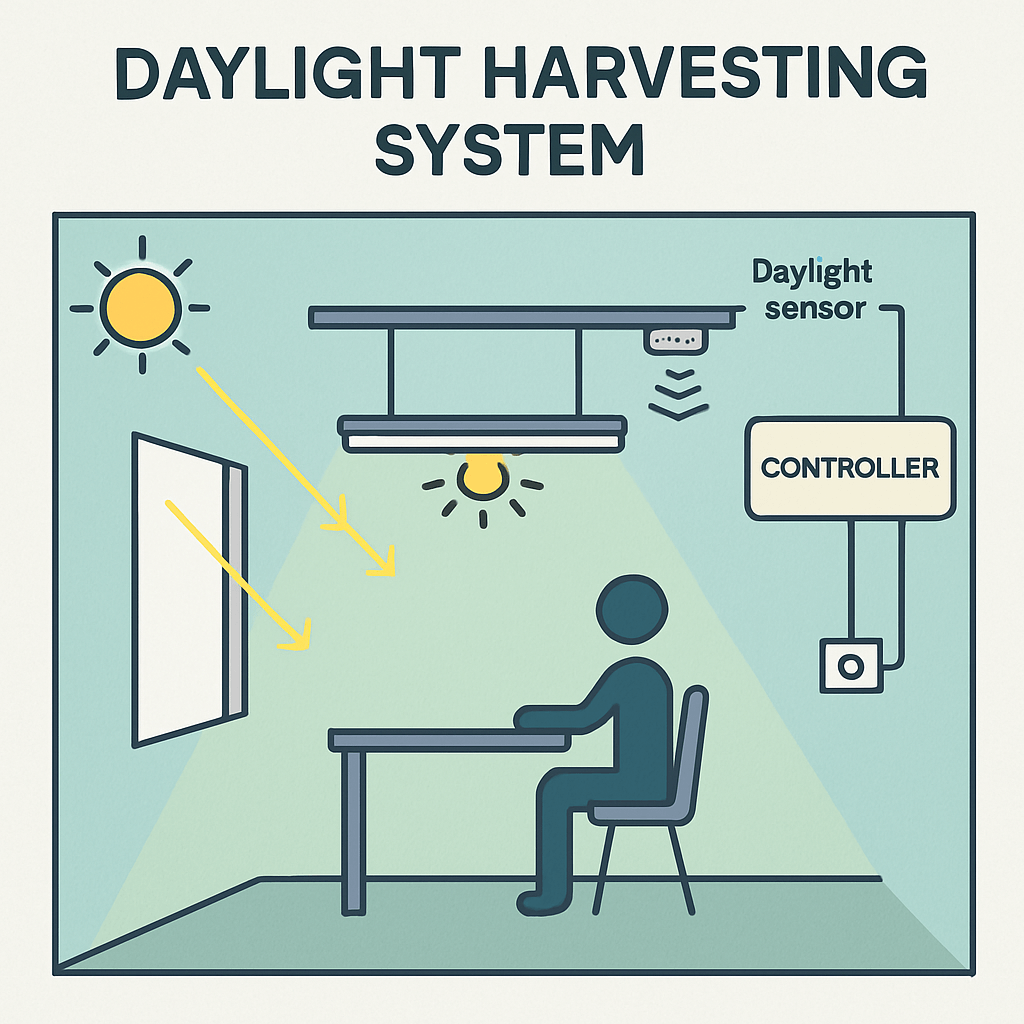
Calibration is the process of setting a device to provide accurate measurements. For daylight harvesting systems, calibration ensures that the light sensors are correctly measuring the available daylight and that the system is adjusting the electric lighting appropriately. Without proper calibration, the system might not achieve its energy-saving potential and could cause discomfort to occupants due to inconsistent lighting levels.
Energy Efficiency: Proper calibration can significantly reduce energy consumption by ensuring that artificial lighting is only used when necessary.
Occupant Comfort: Consistent and appropriate lighting levels enhance the comfort and productivity of building occupants.
Cost Savings: By optimizing energy usage, businesses can reduce their electricity bills significantly.
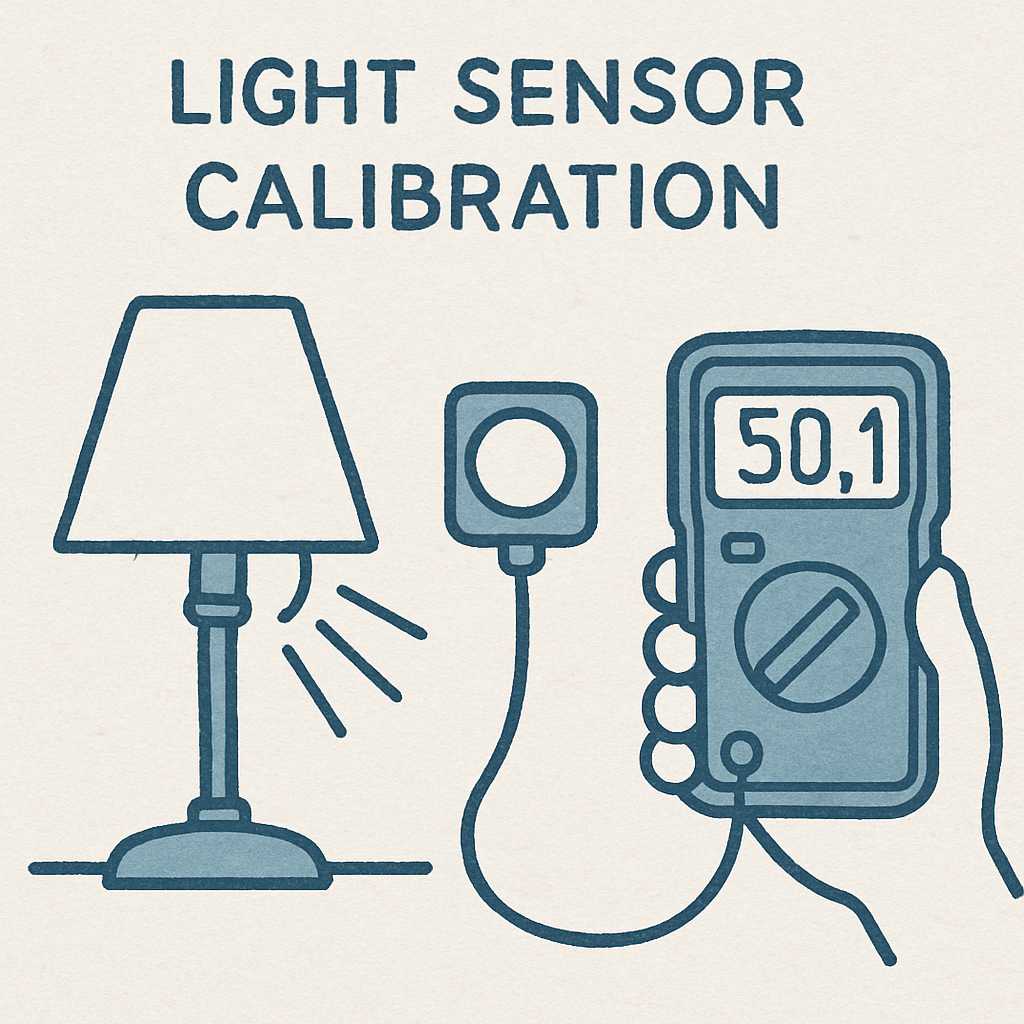
Several techniques can be used to calibrate daylight harvesting controls effectively. These techniques ensure that the system functions as intended and provides the maximum benefits.
Manual calibration involves physically adjusting the sensors and control settings to achieve the desired lighting levels. This method requires a basic understanding of the system and the ability to measure light levels accurately. Here’s how you can manually calibrate a daylight harvesting system:
Measure Baseline Light Levels: Use a light meter to measure the natural light levels in the space at different times of the day.
Adjust Sensor Settings: Based on the baseline measurements, adjust the sensor settings to ensure they accurately reflect the natural light levels.
Test the System: After adjustments, test the system to ensure it responds correctly to changes in natural light levels.
by AFINIS Group ® - AFINIS GASKET® Production (https://unsplash.com/@afinisgroup)
Automated calibration uses software and advanced algorithms to adjust the system settings. This method is typically more accurate and less labor-intensive than manual calibration. Automated systems continuously monitor light levels and make real-time adjustments to the sensors and controls.
Install Calibration Software: Install the necessary software that integrates with the daylight harvesting system.
Set Calibration Parameters: Define the parameters and thresholds for the system based on the desired lighting levels.
Monitor and Adjust: Allow the system to continuously monitor and adjust the lighting based on real-time data.
A hybrid approach combines manual and automated techniques. It involves initial manual calibration followed by automated fine-tuning. This method leverages the strengths of both approaches, providing a balanced solution.

While calibration is crucial for effective daylight harvesting, it presents several challenges:
Variability in Natural Light: Natural light levels can vary significantly due to weather changes and seasonal shifts, making calibration complex.
Sensor Placement: Incorrect sensor placement can lead to inaccurate readings and ineffective calibration.
Technological Limitations: Some older systems may not support automated calibration, requiring more manual intervention.
To overcome challenges and ensure effective calibration, consider these best practices:
Regular Maintenance: Schedule regular maintenance checks to ensure sensors and controls are functioning correctly.
Comprehensive Training: Ensure that personnel responsible for calibration are well-trained and understand the system’s intricacies.
Use of Quality Equipment: Invest in high-quality sensors and calibration tools to enhance system accuracy.
Documentation and Monitoring: Keep detailed records of calibration settings and monitor system performance regularly to identify any deviations.

Daylight harvesting control calibration is a critical aspect of optimizing energy efficiency in buildings. By understanding the role of light sensors and employing effective calibration techniques, you can ensure that your daylight harvesting system functions optimally. Whether through manual, automated, or hybrid approaches, proper calibration leads to significant energy savings, enhanced occupant comfort, and reduced operational costs. As you implement these strategies, remember to address the common challenges and adhere to best practices for sustained success.
Incorporating daylight harvesting systems into your building’s design is a step towards a more sustainable future. With the right calibration, these systems can significantly contribute to reducing your carbon footprint while improving the overall indoor environment.


)
)
)
)

+86 15899791249

+86 755 2955 3313


Address: Huafeng No.1 Science and Technology Park, Sanwei, Bao'an District, Shenzhen, Guangdong, China.
