

Time:2025-10-28
In today’s world, energy efficiency is more important than ever. As businesses and homeowners seek to reduce energy consumption and costs, smart lighting systems have become a popular solution. One of the most effective features of these systems is automated daylight harvesting. This technology allows for the efficient use of natural light, reducing the need for artificial lighting. In this article, we'll explore the advanced configuration settings that can help maximize the benefits of automated daylight harvesting.
Automated daylight harvesting is a technology used in smart lighting systems to adjust the amount of artificial light based on the natural light available in a space. Sensors detect the level of natural light and adjust the artificial lighting accordingly. This not only helps in conserving energy but also in creating a comfortable and productive environment for occupants.
Key Benefits
Energy Efficiency: By using natural light where possible, automated daylight harvesting significantly reduces electricity consumption.
Cost Savings: Lower energy consumption translates to reduced energy bills.
Improved Comfort: Consistent lighting levels prevent glare and eye strain, enhancing comfort for building occupants.
Environmental Impact: Reduced energy usage means a lower carbon footprint, contributing to environmental sustainability.
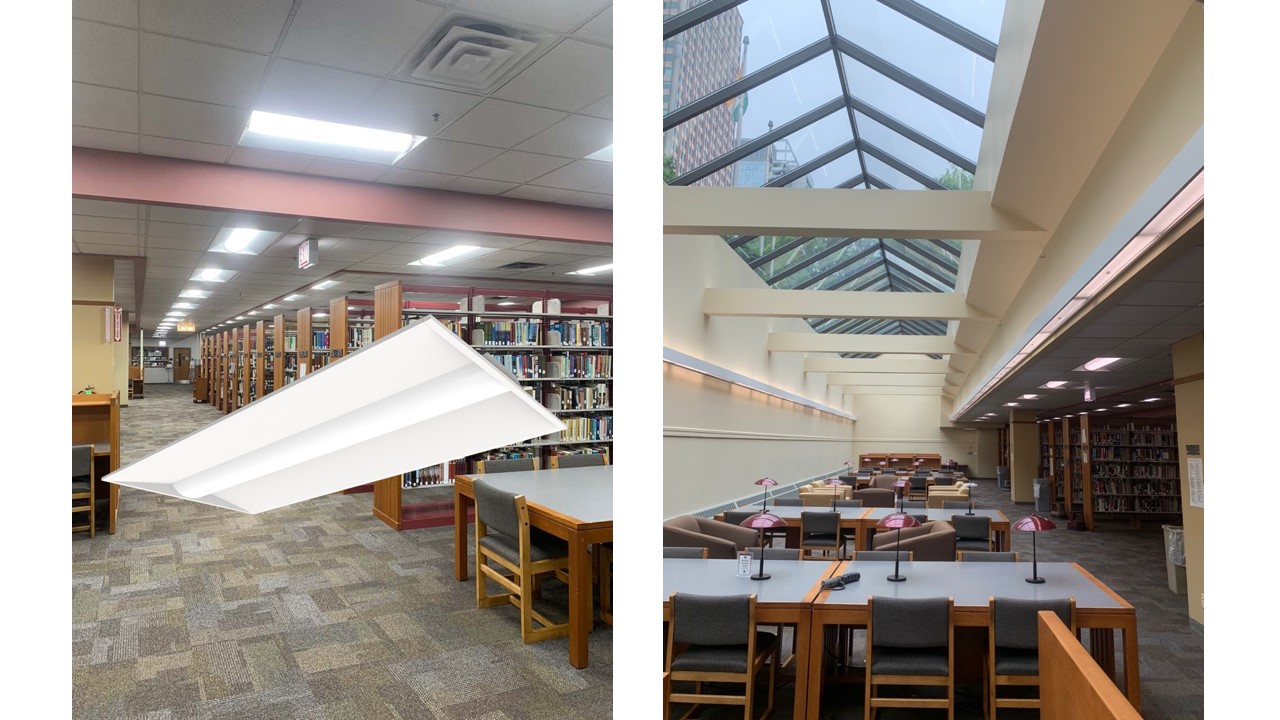
To get the most out of automated daylight harvesting, understanding and configuring the advanced settings is crucial. Here are some key settings to consider:
The placement of sensors is critical to the system's performance. Sensors should be strategically placed to accurately detect the amount of natural light entering the space. Consider the following:
Direct Light: Avoid placing sensors where they can be exposed to direct sunlight, as this can cause inaccurate readings.
Obstructions: Ensure sensors are not blocked by furniture or fixtures that could interfere with their operation.
Coverage Area: Sensors should cover the entire area where daylight harvesting is desired.
The sensitivity of the sensors can be adjusted to determine how the system responds to changes in natural light. This setting controls the threshold at which the artificial lights are dimmed or brightened.
High Sensitivity: Useful in areas with fluctuating light conditions, such as spaces with large windows.
Low Sensitivity: Suitable for areas with stable lighting conditions.
Automated daylight harvesting systems can be programmed to follow specific schedules. This feature is useful for:
Office Hours: Adjust settings to optimize lighting during working hours.
After Hours: Reduce lighting levels after business hours to save energy.
For enhanced building energy efficiency, automated daylight harvesting can be integrated with other building management systems:
HVAC Systems: Coordinate lighting and HVAC settings for optimal energy use.
Security Systems: Ensure lights are on when the building is occupied and off when it’s vacant.
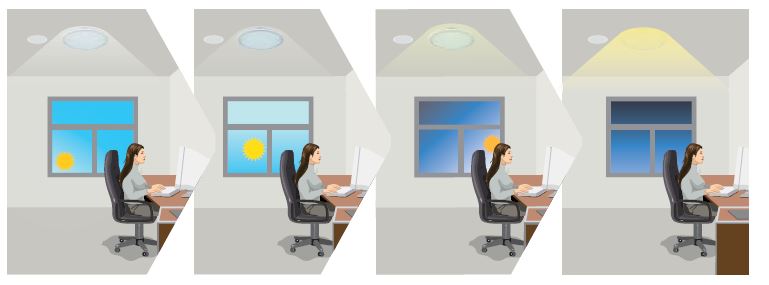
Implementing automated daylight harvesting involves several steps:
Start by conducting an analysis of the space to determine the best locations for sensors and lighting fixtures. Consider factors such as:
Window Orientation: The direction windows face can affect the amount of natural light received.
Interior Design: The layout and color scheme of the space can impact light distribution.
Proper installation is crucial for the system's effectiveness. Work with experienced professionals to ensure:
Correct Sensor Placement: As previously mentioned, sensors should be positioned for optimal performance.
System Calibration: Calibrate the system to ensure accurate light level readings and appropriate dimming responses.
Once installed, regular monitoring and maintenance are essential to keep the system running smoothly. This includes:
Routine Checks: Periodically check sensors and lighting fixtures for any malfunctions.
Software Updates: Ensure that the system's software is up-to-date for the latest features and improvements.
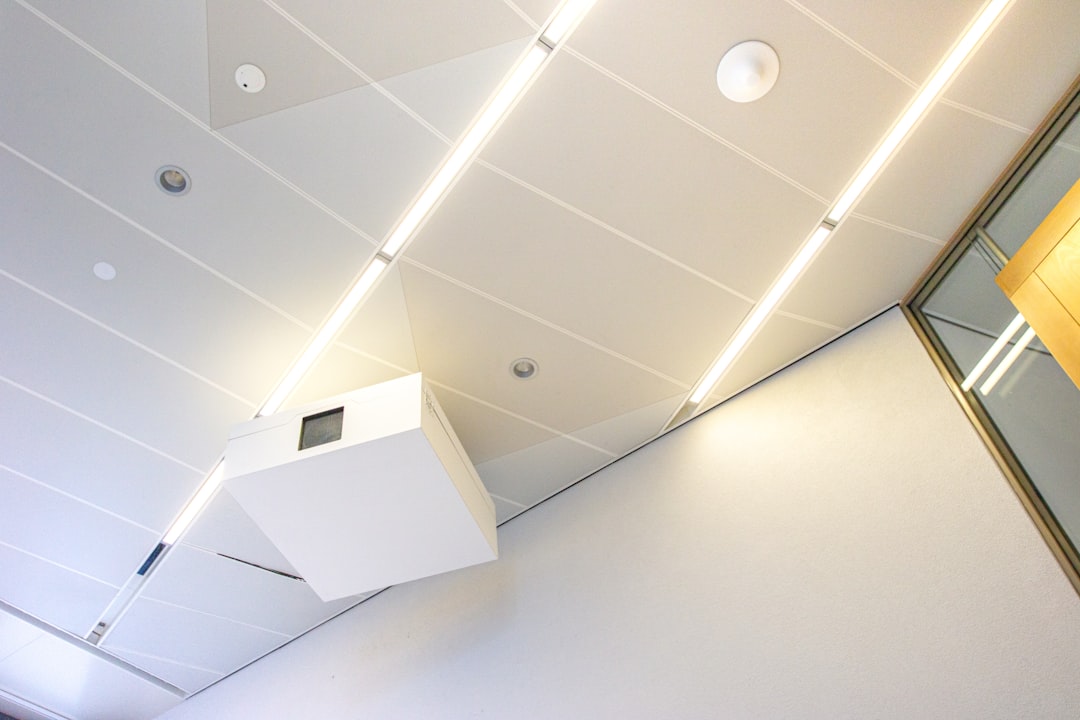
Let's look at a real-world example of automated daylight harvesting in action. A large corporate office implemented a smart lighting system with automated daylight harvesting. By optimizing sensor placement and configuring advanced settings, they achieved the following results:
30% Reduction in Energy Consumption: Significant savings on electricity bills.
Enhanced Employee Productivity: Consistent and comfortable lighting improved workplace satisfaction.
Positive Environmental Impact: Reduced carbon footprint aligned with the company’s sustainability goals.
Automated daylight harvesting is an invaluable feature of smart lighting systems that promotes energy efficiency and cost savings. By understanding and configuring advanced settings, businesses and homeowners can maximize these benefits. Proper planning, installation, and maintenance are key to successful implementation. As we continue to strive for sustainability, automated daylight harvesting stands out as a practical and effective solution.
Whether you're a business owner looking to cut costs or a homeowner seeking an eco-friendly lighting solution, automated daylight harvesting is worth considering. With the right configuration, you can enjoy a well-lit, energy-efficient space that benefits both you and the environment.


)
)
)
)

+86 15899791249

+86 755 2955 3313


Address: Huafeng No.1 Science and Technology Park, Sanwei, Bao'an District, Shenzhen, Guangdong, China.
