

Time:2025-10-23
In the realm of building safety, centralized emergency lighting systems play a critical role. These systems ensure that, in the event of a power failure or emergency, buildings remain safe and illuminated, guiding occupants to safety. However, simply having an emergency lighting system installed is not enough. Compliance with centralized emergency lighting monitoring system standards is essential for ensuring these systems function correctly when they are needed the most.
A centralized emergency lighting monitoring system is a networked system that oversees the status and functionality of emergency lighting across an entire building or complex. Unlike standalone systems, which require manual checks, centralized systems automatically monitor and report on the condition of all emergency lights. This makes it easier to ensure compliance with safety regulations and provides peace of mind that the system is operational at all times.
Automated Monitoring: Continuous, real-time monitoring of all emergency lighting fixtures.
Quick Identification of Faults: Immediate notification of any issues, allowing for quick response and repairs.
Ease of Compliance: Simplified reporting for regulatory compliance, reducing the administrative burden.
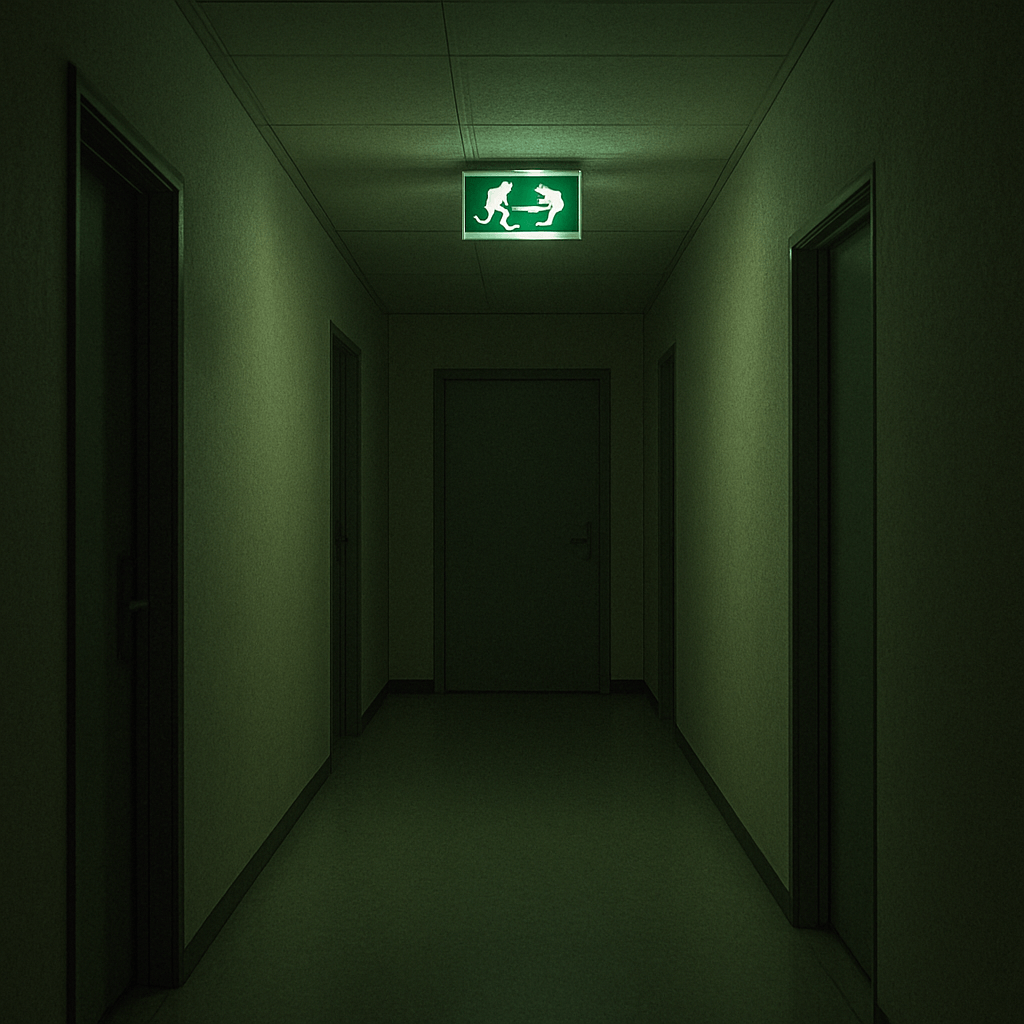
Compliance with centralized emergency lighting monitoring system standards is crucial for several reasons.
The primary purpose of emergency lighting is to ensure safety during an emergency. Compliance ensures that systems are inspected, tested, and maintained regularly, reducing the risk of failure during a critical situation.
Many jurisdictions have legal requirements for emergency lighting systems. Non-compliance can result in penalties, fines, or even legal action. Ensuring your system meets all local and national standards helps avoid these repercussions.
A well-maintained system reduces the likelihood of costly repairs or replacements. Moreover, insurance premiums can be affected by compliance status, with non-compliant systems potentially leading to higher costs.
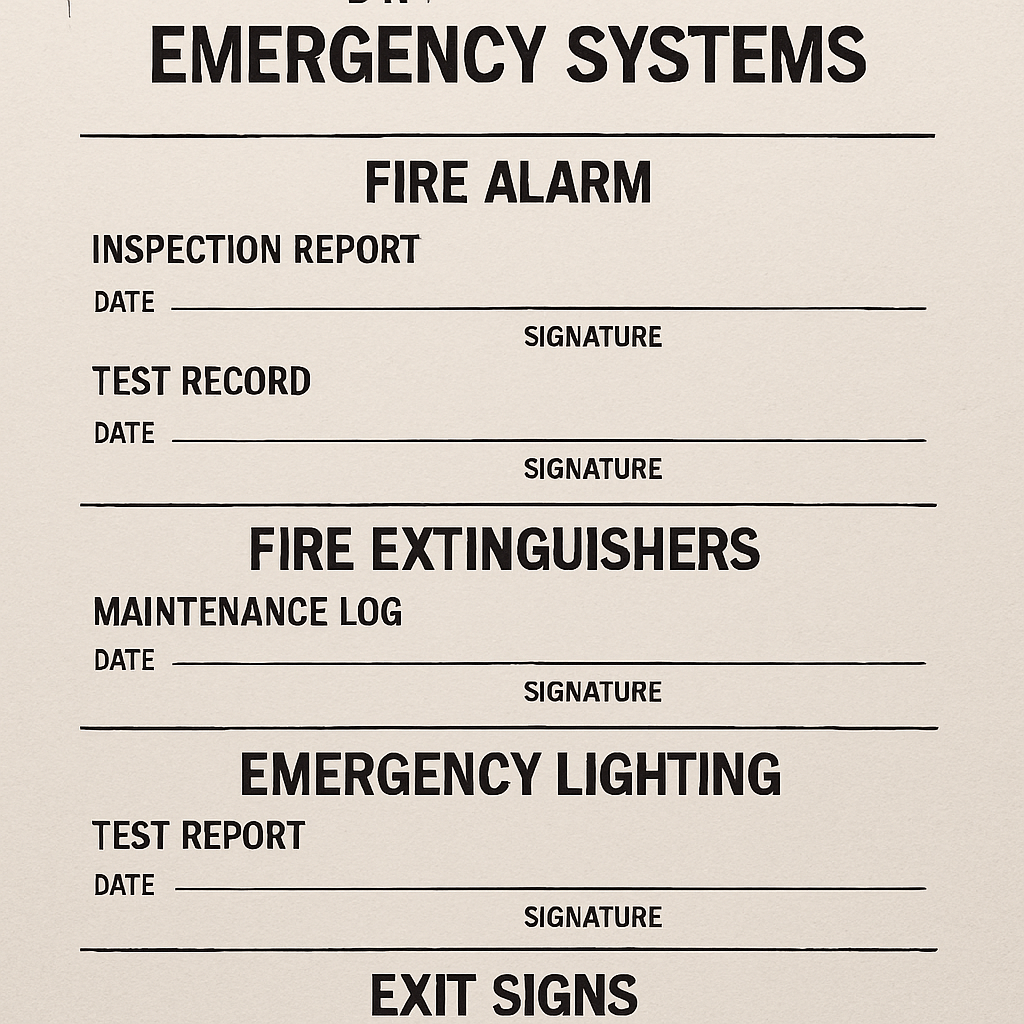
Understanding and adhering to the relevant standards and regulations is vital for compliance. Here are some of the key standards that may apply:
The National Fire Protection Association (NFPA) 101 outlines the requirements for emergency lighting in various building types. It specifies the duration, intensity, and coverage area of emergency lights to ensure safety.
IEC 62034: Automatic Test Systems for Battery Powered Emergency Escape Lighting
This international standard specifies requirements for automatic testing systems for emergency lighting, ensuring that systems are tested regularly and faults are detected early.
In addition to international and national standards, local building codes may have specific requirements regarding the installation and maintenance of emergency lighting systems.
Ensuring compliance involves a strategic approach to the installation, monitoring, and maintenance of your emergency lighting system.
Begin by assessing your existing emergency lighting system to identify any compliance gaps. This may involve a review of system specifications, current monitoring methods, and maintenance schedules.
If your building currently uses standalone emergency lighting, consider upgrading to a centralized system. This transition can enhance monitoring capabilities and simplify compliance efforts.
Implement a schedule for regular testing and maintenance of the system. This should include both automatic testing via the centralized system and periodic manual inspections to verify system integrity.
Maintain comprehensive records of all tests, inspections, and maintenance activities. This documentation is crucial for demonstrating compliance to authorities and can be invaluable in the event of an incident.
Selecting the right centralized emergency lighting monitoring system is critical for compliance and operational effectiveness.
Real-time Monitoring: Ability to provide continuous updates on system status.
Remote Access: Capability to access system information from anywhere.
Automatic Testing: Built-in functionality for regular automatic testing of all components.
Scalability: System should be able to expand as your building or complex grows.
Consult with professionals who specialize in emergency lighting systems. They can provide guidance on the best system for your specific needs and ensure that installation and setup are done correctly.
Compliance with centralized emergency lighting monitoring system standards is not just a legal obligation but a critical component of building safety. By ensuring your system is up-to-date, regularly tested, and well-documented, you safeguard the well-being of all building occupants and protect your organization from legal and financial risks. Investing in a centralized system can simplify compliance and provide peace of mind that your emergency lighting will perform when it is needed most.


)
)
)
)

+86 15899791249

+86 755 2955 3313


Address: Huafeng No.1 Science and Technology Park, Sanwei, Bao'an District, Shenzhen, Guangdong, China.
