

Time:2025-10-17
In today's smart world, ceiling sensors play a vital role in ensuring efficient and automated environments. From lighting control to security, these sensors are everywhere. But how do you know if they are covering the area they are supposed to? That's where verification methods come into play. In this article, we'll explore various ways to verify the coverage area of ceiling sensors, ensuring they perform as expected.
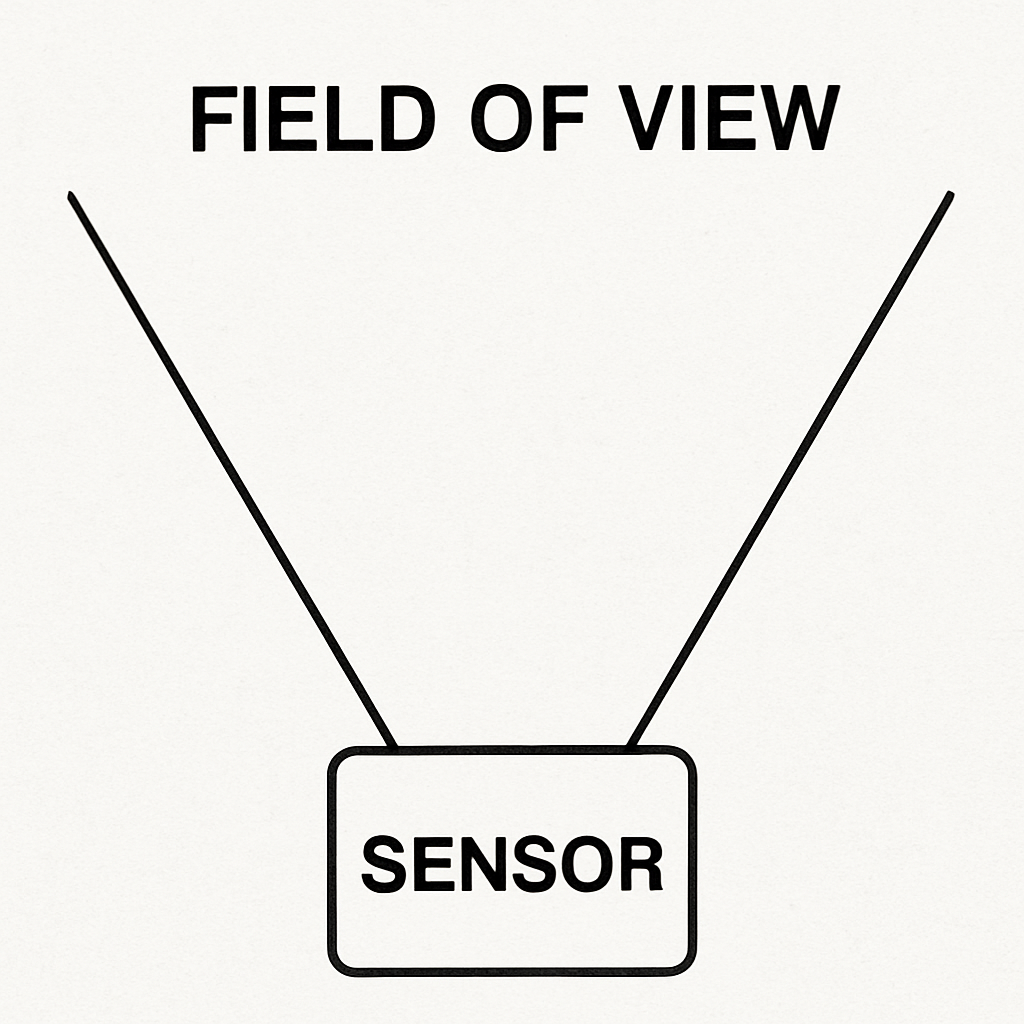
Before diving into verification methods, it's important to understand what a sensor's field of view is. The field of view (FOV) refers to the observable area a sensor can cover from its position. This varies depending on the type of sensor, its placement, and its design. Understanding the FOV helps in planning the layout and ensuring that the sensors cover the desired area effectively.
Several factors can affect a sensor's coverage area:
Height of Installation: The height at which a sensor is installed can significantly impact its coverage. The higher the sensor, the larger the coverage area, but the sensitivity may decrease.
Sensor Type: Different sensors have different FOVs. For instance, a motion sensor might have a different coverage area compared to a thermal sensor.
Obstructions: Physical obstructions such as walls or furniture can block the sensor's view, reducing its coverage area.
Sensor Settings: Many sensors come with adjustable settings that can tweak their sensitivity and coverage.
Verifying sensor coverage ensures that the sensors are doing their job effectively. Without proper verification, there might be blind spots or areas where the sensor's performance is compromised. This can lead to inefficiencies, such as lights not turning on in time or security breaches going unnoticed.
Let's look at some practical methods to verify the coverage area of ceiling sensors.
One of the simplest methods is a visual inspection. This involves looking at the sensor and its surroundings to identify any potential obstructions or issues. While this method is basic, it provides a quick way to catch obvious problems.
Field testing involves simulating real-world conditions to check if the sensor works as expected. For instance, you can walk through the area and see if the motion sensor detects you and triggers the intended action. This method helps in identifying blind spots.
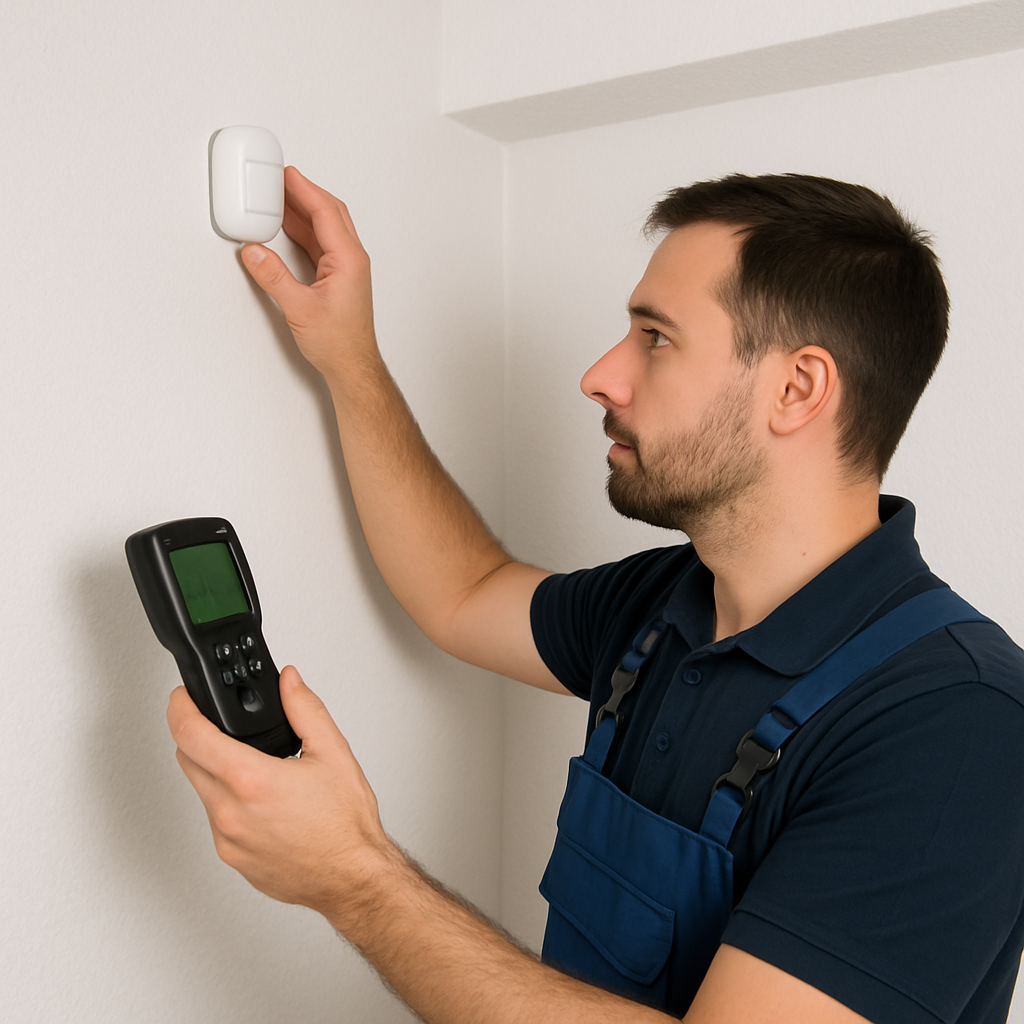
There are specialized tools and equipment designed to test sensor coverage. These tools can measure the exact FOV and sensitivity of the sensor, providing precise data on its performance. Using such equipment is particularly useful in professional settings where accuracy is crucial.
Some advanced systems come with software that can simulate the sensor's coverage area. This software can provide a visual representation of the FOV and help in planning and adjusting sensor placement. It's a powerful tool for large installations.
After identifying issues, the next step is calibration. Many sensors allow for adjustments in terms of sensitivity and angle. By calibrating the sensor, you can fine-tune its performance to ensure optimal coverage.
To ensure your sensors are always performing at their best, consider these best practices:
Regular Maintenance: Sensors can drift out of calibration over time. Regular checks and maintenance ensure they remain effective.
Record Keeping: Documenting the installation and verification process can be helpful for future reference and troubleshooting.
Staff Training: Ensure that the personnel responsible for sensor maintenance are well-trained in the verification methods.
While verifying sensor coverage is essential, several challenges may arise:
Complex Environments: In environments with lots of obstacles, like warehouses or offices with cubicles, ensuring complete coverage can be tricky.
Interference: Electronic interference from other devices can affect sensor performance, leading to false readings or reduced sensitivity.
Cost: High-quality testing equipment can be expensive, making it difficult for smaller businesses to perform thorough verification.
Verifying the coverage area of ceiling sensors is a critical step in ensuring their effectiveness. By understanding the sensor's field of view and employing various verification methods, you can ensure that your sensors are performing optimally. Whether it's through simple visual inspections or advanced software simulations, taking the time to verify sensor coverage can lead to more efficient and secure environments.
Remember, regular maintenance and adherence to best practices can go a long way in maintaining the performance of your ceiling sensors. With these insights, you're now better equipped to ensure that your ceiling sensors are doing their job effectively.


)
)
)
)

+86 15899791249

+86 755 2955 3313


Address: Huafeng No.1 Science and Technology Park, Sanwei, Bao'an District, Shenzhen, Guangdong, China.
