

Time:2025-10-15
Optimizing the placement of ceiling occupancy sensors is essential for maximizing their efficiency and effectiveness. These sensors are key components in modern lighting and HVAC systems, ensuring energy savings and enhanced convenience in various settings, from offices to homes. In this article, we will explore the best techniques for optimizing the placement of ceiling occupancy sensors to ensure they perform at their best.
Before diving into placement strategies, it's crucial to understand how ceiling occupancy sensors work. These sensors detect motion or the presence of people within a specific area and trigger the necessary systems, like lighting or HVAC, to operate accordingly. This automation not only conserves energy but also enhances comfort by adjusting environmental controls based on occupancy.
There are several types of ceiling occupancy sensors, each with unique functionalities:
Passive Infrared (PIR) Sensors: Detect motion through changes in infrared energy, making them ideal for spaces with clear lines of sight.
Ultrasonic Sensors: Use sound waves to detect motion, suitable for detecting minor movements or movements around obstacles.
Dual-Technology Sensors: Combine PIR and ultrasonic technologies for improved accuracy and reduced false triggers.
Understanding these types will help determine the most suitable sensor for your space, which is the first step in optimizing placement.
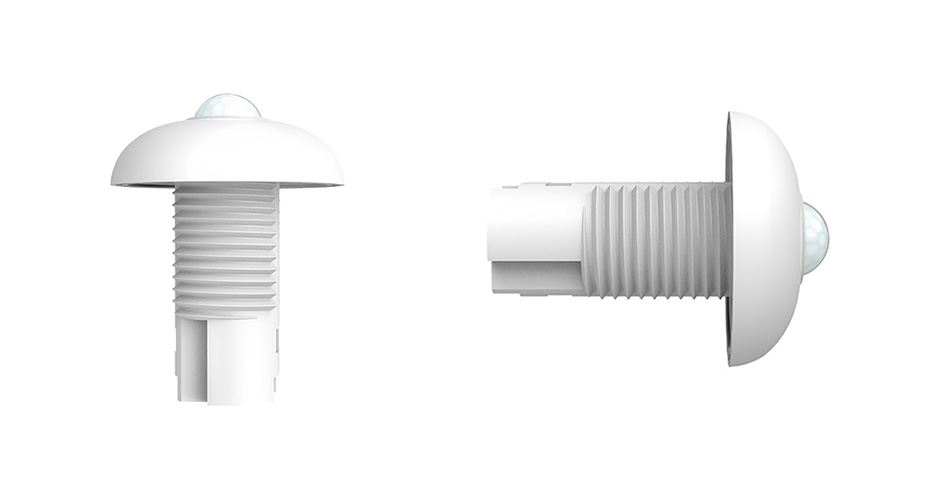
The placement of ceiling occupancy sensors significantly impacts their performance. Here are key factors to consider:
1. Coverage Area
Each sensor has a specific coverage area that should align with the room's layout. Ensure sensors are placed where they can cover the maximum area without obstructions. The sensor's specifications will typically provide details on its coverage range.
2. Height and Angle
Mounting height and angle are critical for effective sensor operation. Mount sensors at the recommended height, often specified by the manufacturer, to ensure optimal detection. The angle of coverage should align with the expected movement patterns in the room.
3. Avoiding Obstructions
Obstructions such as furniture, partitions, or architectural features can interfere with the sensor's detection capabilities. When planning sensor placement, consider these obstacles and adjust positioning to maintain clear lines of sight.
4. Environmental Conditions
Environmental factors, such as temperature fluctuations or air currents, can affect sensor performance. For instance, PIR sensors may struggle in areas with high heat sources or direct sunlight. Ensure sensors are placed away from such conditions to avoid false readings.
5. Sensor Type Suitability
The choice of sensor type can influence placement. For instance, ultrasonic sensors can detect movement around corners or obstacles, making them suitable for spaces with intricate layouts. On the other hand, PIR sensors work best in open areas with direct line-of-sight.
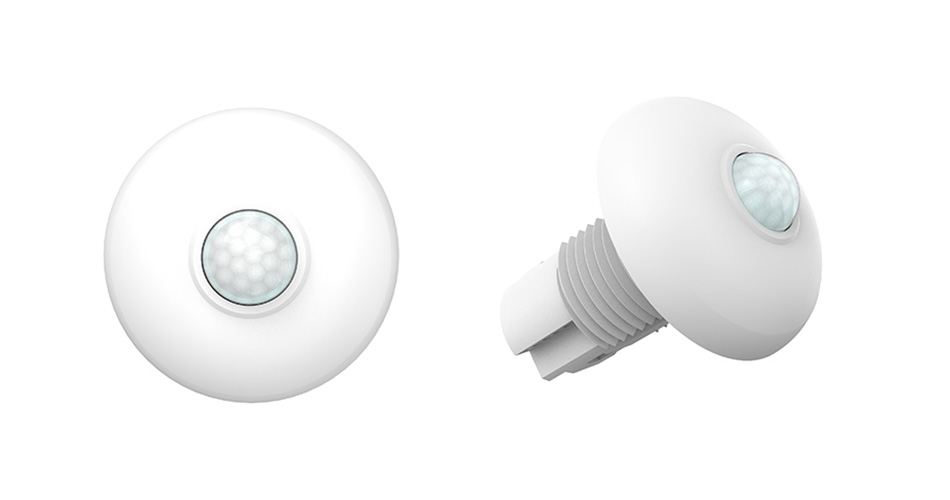
Implementing best practices in sensor placement ensures the sensors function optimally. Here are some recommended strategies:
Place sensors strategically to ensure complete coverage. For larger areas, multiple sensors may be necessary to avoid dead zones. Overlapping coverage can help eliminate areas where motion might go undetected.
Regular testing and calibration of sensors are crucial for maintaining performance. Ensure sensors are responsive to expected movements and adjust settings as needed. Routine checks can also help identify any issues with sensor placement or operation.
Different rooms have different usage patterns, which should influence sensor placement. For example, in offices, sensors should cover workstations and common areas, while in residential settings, focus on areas like hallways and living rooms where occupancy is more dynamic.
Integrate occupancy sensors with other building systems, such as lighting and HVAC controls, for seamless automation. This integration can enhance energy savings and improve user comfort by ensuring systems respond promptly to occupancy changes.
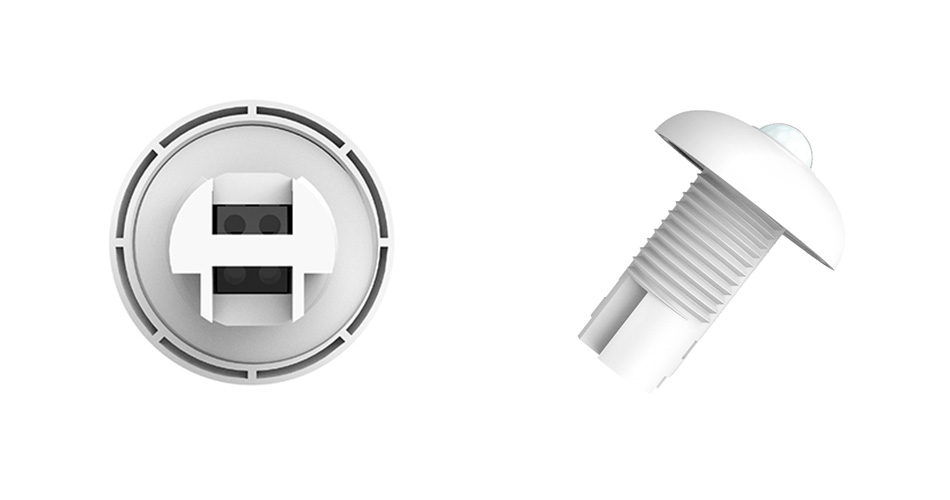
Optimizing the placement of ceiling occupancy sensors offers numerous benefits:
Energy Efficiency: By ensuring lights and HVAC systems operate only when needed, optimized sensor placement significantly reduces energy consumption.
Cost Savings: Reduced energy usage translates to lower utility bills, providing significant cost savings over time.
Enhanced Comfort: Automated environmental controls improve comfort by maintaining optimal lighting and climate conditions based on occupancy.
Increased Longevity of Systems: By reducing unnecessary usage, optimized sensor placement can extend the life of lighting and HVAC systems.
Optimizing the placement of ceiling occupancy sensors is a vital step in harnessing their full potential. By considering factors such as coverage area, height, and environmental conditions, and by implementing best practices, you can ensure that these sensors deliver maximum efficiency and effectiveness. The result is a more energy-efficient and comfortable environment, whether in a commercial or residential setting. By taking the time to strategically place and regularly maintain these sensors, you can enjoy the numerous benefits they offer, from cost savings to enhanced comfort.


)
)
)
)

+86 15899791249

+86 755 2955 3313


Address: Huafeng No.1 Science and Technology Park, Sanwei, Bao'an District, Shenzhen, Guangdong, China.
