

Time:2025-10-21
In today's digital age, the efficiency of lighting systems in our homes, offices, and public spaces hinges on sophisticated software solutions. Central lighting software configuration tools are the backbone of modern lighting control systems. They enable seamless management and optimization of lighting across various settings, ensuring energy efficiency and enhanced user experience.
Central lighting software configuration refers to the process of setting up and managing lighting control systems via centralized software applications. These tools allow users to adjust lighting settings, monitor performance, and optimize energy usage from a single platform.
Lighting control software plays a pivotal role in managing the intricacies of lighting systems. It enables users to:
Automate Lighting Schedules: Automatically turn lights on or off based on time of day or occupancy.
Monitor Energy Usage: Track and analyze energy consumption to identify opportunities for savings.
Adjust Brightness and Color: Customize lighting levels and color temperatures to suit different moods or activities.
Integrate with Other Systems: Connect with HVAC, security, and other building systems for a comprehensive smart building solution.
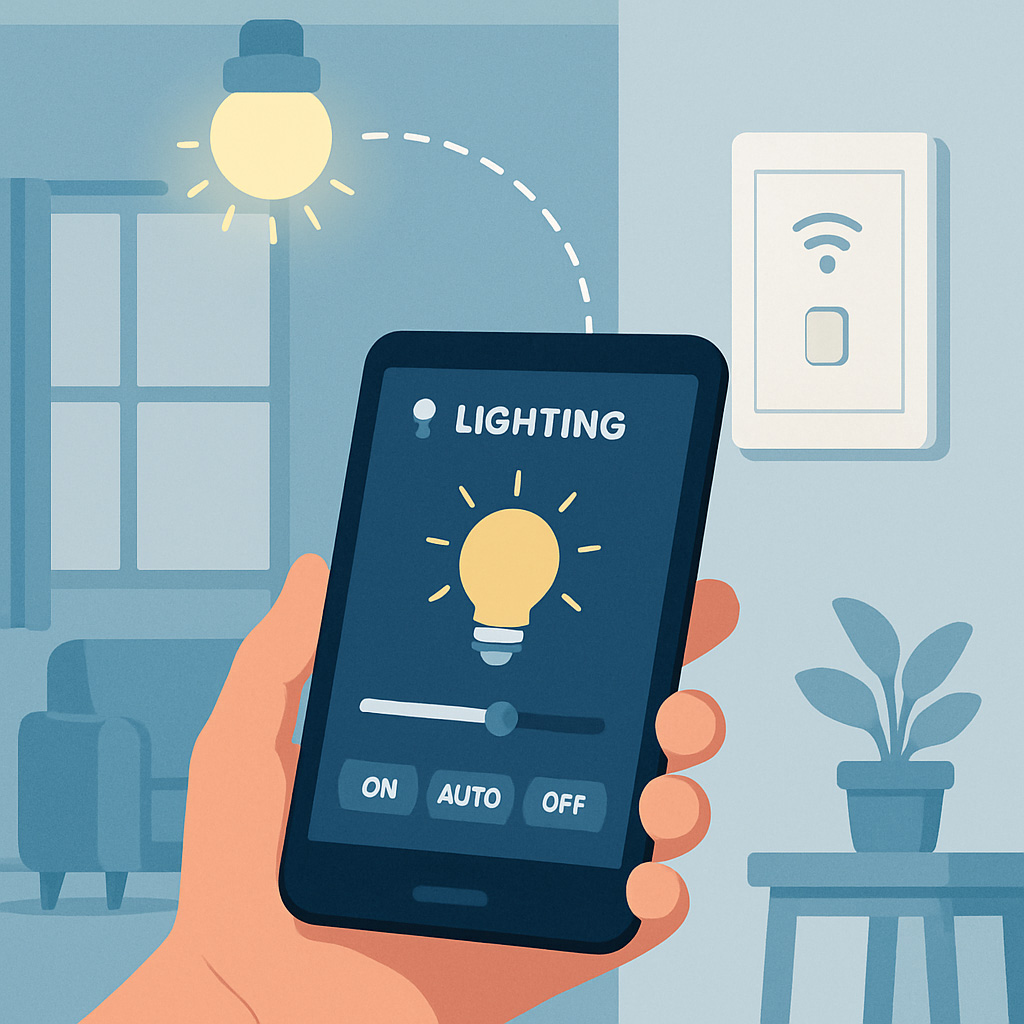
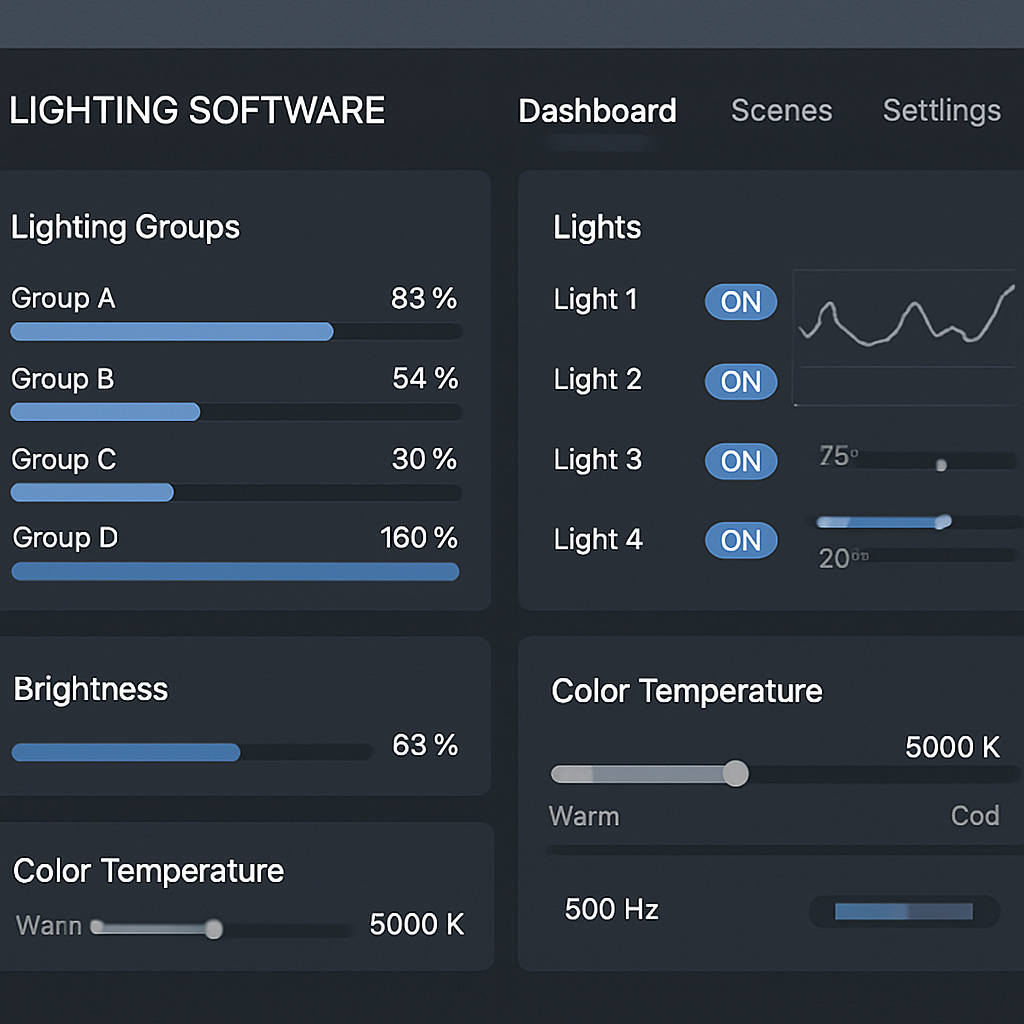
Central lighting software configuration tools come with a variety of features designed to optimize lighting systems. Here are some key features to look for:
A good lighting control software should have an intuitive interface that allows users to easily navigate and configure settings. The interface should provide clear visual representations of lighting areas and controls.
The ability to customize settings is crucial for catering to specific needs. Whether it's setting different lighting levels for various rooms or creating unique lighting scenes, customization enhances user satisfaction and efficiency.
Real-time monitoring allows users to see how their lighting systems are performing at any given moment. Reporting tools can provide insights into energy consumption patterns and suggest areas for improvement.
Remote access capabilities enable users to control their lighting systems from anywhere, using smartphones or other internet-connected devices. This feature is particularly useful for large facilities with multiple lighting zones.
For a truly smart building, lighting software should integrate with other systems like HVAC and security. This ensures a harmonious operation of all building systems, leading to greater energy efficiency and convenience.
Optimizing your central lighting software configuration can yield numerous benefits, including:
By automating lighting schedules and adjusting brightness based on occupancy, significant energy savings can be achieved. This not only reduces utility bills but also contributes to environmental sustainability.
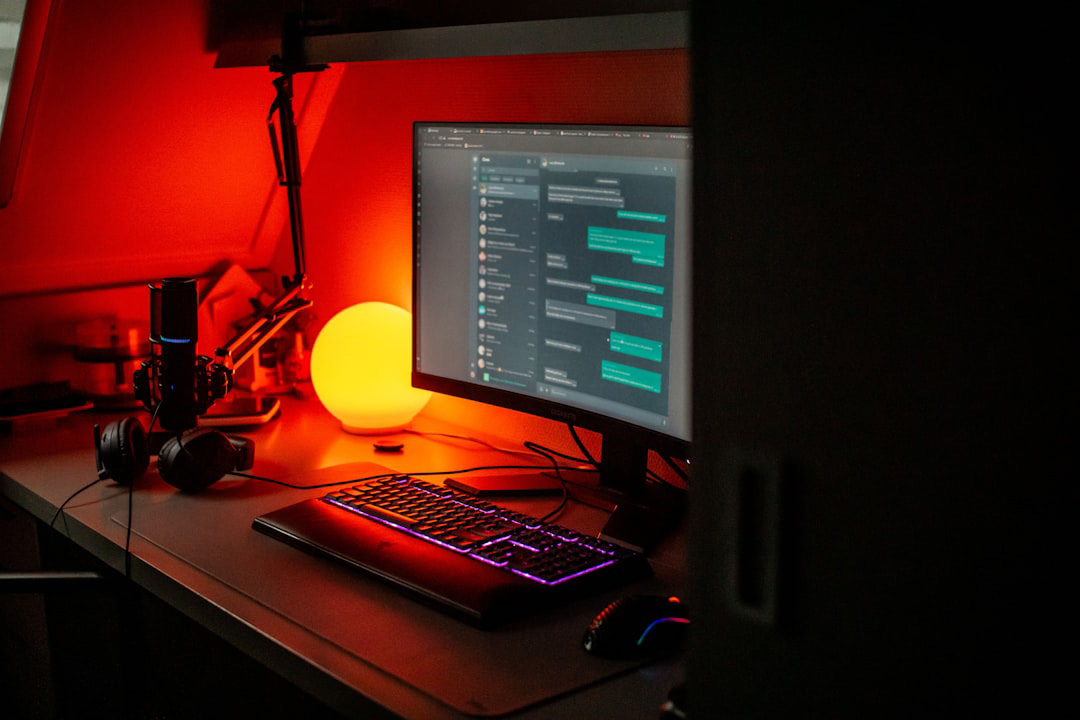
Customizable lighting settings allow users to create comfortable and productive environments. Whether it's dimming lights for a cozy evening or brightening them for focused work, optimized lighting enhances user experience.
With real-time monitoring, potential issues can be identified and addressed before they become major problems. This proactive approach reduces maintenance costs and extends the lifespan of lighting components.
Integrating lighting with security systems can enhance safety. For example, lights can automatically turn on when motion is detected, deterring potential intruders.
When selecting a central lighting software configuration tool, consider the following factors:
Ensure the software is compatible with your existing lighting systems and any other building systems you plan to integrate.
Choose a solution that can grow with your needs. Whether you're managing a single building or a large campus, the software should accommodate future expansions.
Look for providers that offer comprehensive support and training to help you get the most out of your lighting software. This is crucial for a smooth implementation and ongoing success.
While cost is an important consideration, it should not be the sole factor in decision-making. Consider the potential savings and benefits that an optimized lighting system can deliver over time.
Central lighting software configuration tools are used in a variety of settings, each with unique requirements:
In office buildings, lighting software can create dynamic lighting environments that boost productivity and reduce energy waste. Automated scheduling and occupancy sensors ensure lights are only on when needed.
Schools and universities can benefit from lighting systems that adjust to different teaching methods and times of day, enhancing learning environments and saving energy.
Hotels use lighting software to create welcoming atmospheres for guests while optimizing energy use. Scenes can be pre-programmed for different times of day or events.
In hospitals, lighting plays a critical role in patient care and staff efficiency. Centralized control allows for quick adjustments to meet the needs of various medical scenarios.
Central lighting software configuration optimization tools are essential for managing modern lighting systems efficiently. By choosing the right tools and optimizing their use, you can enjoy enhanced energy efficiency, improved comfort, and reduced costs. As technology continues to advance, these tools will play an increasingly important role in creating smarter, more sustainable environments.
Whether you're managing a single building or a large complex, investing in the right central lighting software configuration tools can make a significant difference in your operations. Evaluate your needs, explore your options, and choose a solution that aligns with your goals and enhances your lighting management capabilities.


)
)
)
)

+86 15899791249

+86 755 2955 3313


Address: Huafeng No.1 Science and Technology Park, Sanwei, Bao'an District, Shenzhen, Guangdong, China.
