

Time:2025-10-24
In today's world, energy efficiency is more important than ever. With growing concerns about environmental impact and rising energy costs, businesses and homeowners are searching for ways to monitor and reduce energy usage. One effective solution is through central lighting energy consumption reporting analytics. This approach allows for detailed insights into how much energy lighting systems use, helping to identify areas for improvement and cost savings.
Central lighting systems are designed to manage lighting across large areas, such as office buildings, industrial complexes, or residential communities. These systems often include a network of fixtures controlled from a central point, allowing for efficient management of energy use.
Energy consumption analytics involves collecting and analyzing data related to the energy use of lighting systems. This process helps facility managers and homeowners understand their energy usage patterns, track consumption over time, and identify trends or anomalies.
By leveraging energy consumption analytics, you can:
Determine peak usage times
Identify inefficient fixtures or areas
Measure the impact of energy-saving initiatives
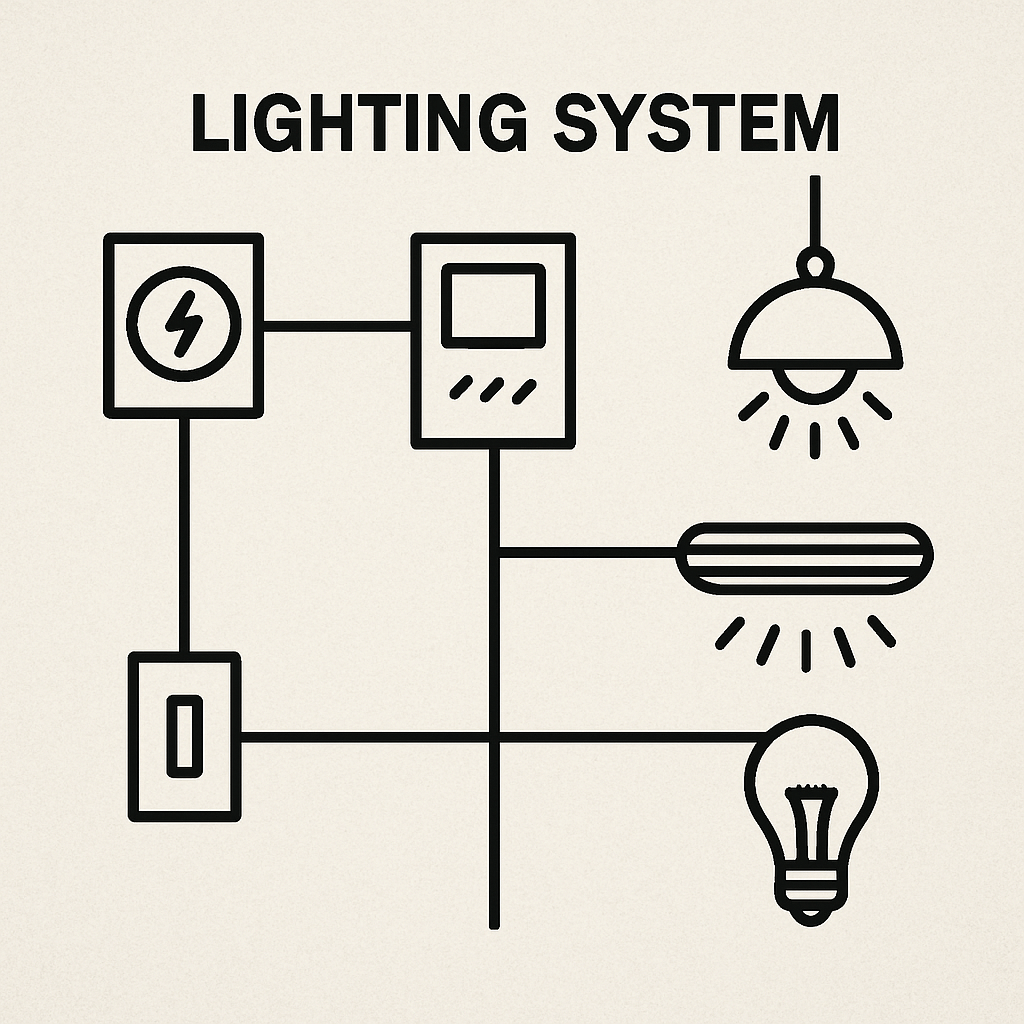
Implementing a central lighting energy consumption reporting system offers numerous benefits that can lead to both environmental and financial improvements.
A key advantage of energy consumption analytics is the ability to increase energy efficiency. By understanding how and when energy is used, you can make informed decisions about where to reduce consumption. This might involve replacing outdated fixtures, adjusting lighting schedules, or implementing smart controls that adjust lighting based on occupancy or natural light levels.
Reducing energy consumption directly translates to cost savings. Businesses and homeowners can save on utility bills by optimizing their lighting systems. Additionally, many regions offer incentives for energy-efficient upgrades, further reducing costs.
With a focus on sustainability, energy consumption analytics provides a pathway to reduce carbon footprint. By minimizing energy use, you contribute to the reduction of greenhouse gas emissions, aligning with global efforts to combat climate change.
Central lighting energy consumption reporting analytics provides detailed reports that highlight key metrics. These reports can be tailored to meet specific needs, offering insights into overall energy usage, trends, and potential areas for improvement. Enhanced reporting capabilities enable better decision-making and support compliance with energy regulations.
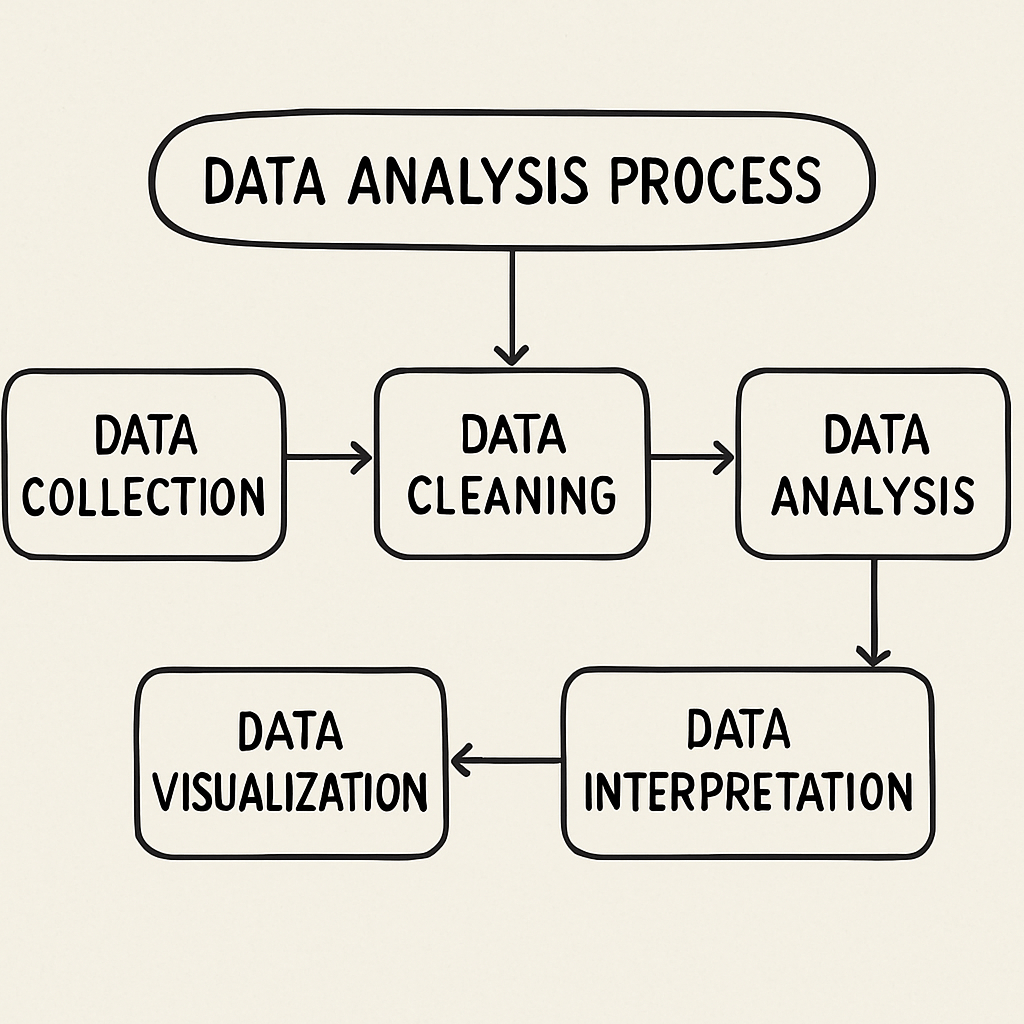
Implementing a central lighting energy consumption reporting system involves several key steps.
Begin by assessing your current lighting system. Identify the types of fixtures in use, their energy consumption, and any existing control systems. This assessment will provide a baseline for measuring improvements.
Select the appropriate tools and software for monitoring and reporting energy consumption. Look for solutions that offer real-time data collection, easy-to-understand analytics, and integration with existing systems.
Install the necessary sensors and devices to collect data on energy usage. This may involve upgrading fixtures to include smart technology that communicates with your central system.
Once your system is in place, begin analyzing the data collected. Look for patterns, peak usage times, and areas where energy consumption is higher than expected. Use this information to make informed decisions about adjustments and improvements.
Based on your analysis, implement energy-saving measures. This might include adjusting lighting schedules, upgrading to more efficient fixtures, or utilizing smart controls.
Continuously monitor your energy usage and adjust your strategies as needed. Regularly review reports to ensure your system operates at peak efficiency and makes necessary adjustments over time.
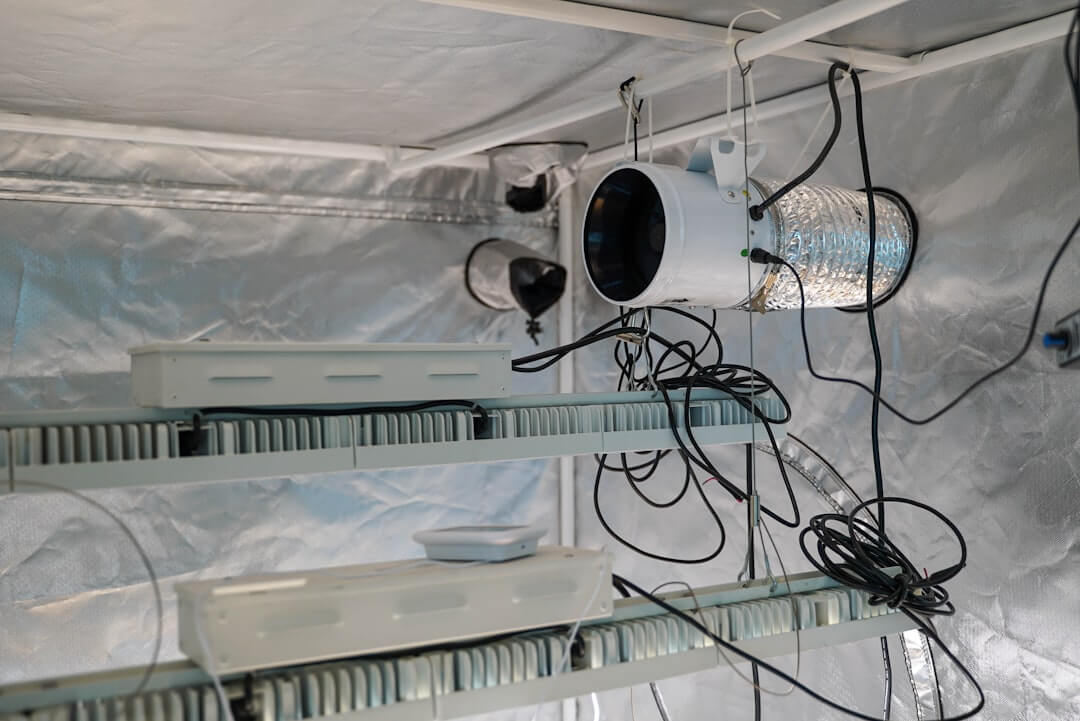
While the benefits of central lighting energy consumption reporting analytics are clear, several challenges may arise during implementation.
Managing large volumes of data can be overwhelming. It's important to choose a system with robust data management capabilities to ensure information is organized and accessible.
Integrating new monitoring tools with existing systems can be challenging. Ensure compatibility between new and old systems to streamline the implementation process.
The initial cost of installing new monitoring equipment and software can be a barrier. However, the long-term savings and benefits often outweigh these upfront expenses.
Central lighting energy consumption reporting analytics is a powerful tool for improving energy efficiency, reducing costs, and promoting sustainability. By understanding and optimizing how lighting systems consume energy, businesses and homeowners can make significant strides toward a more sustainable future. Implementing these systems may require an initial investment, but the benefits of energy savings and environmental impact make it a worthwhile endeavor.
Whether you're a facility manager looking to cut costs or a homeowner aiming for a greener lifestyle, central lighting energy consumption reporting analytics can provide the insights and tools necessary to achieve your energy efficiency goals.


)
)
)
)

+86 15899791249

+86 755 2955 3313


Address: Huafeng No.1 Science and Technology Park, Sanwei, Bao'an District, Shenzhen, Guangdong, China.
