

Time:2025-10-14
In today's world, where technology is an integral part of our lives, ensuring a reliable power supply during emergencies is crucial. Whether it's a sudden power outage due to a storm or an unexpected electrical failure, having an emergency power supply can make all the difference. This article explores the key considerations and requirements for the duration of battery backup and emergency powerpacks to keep your essentials running smoothly when the grid goes down.
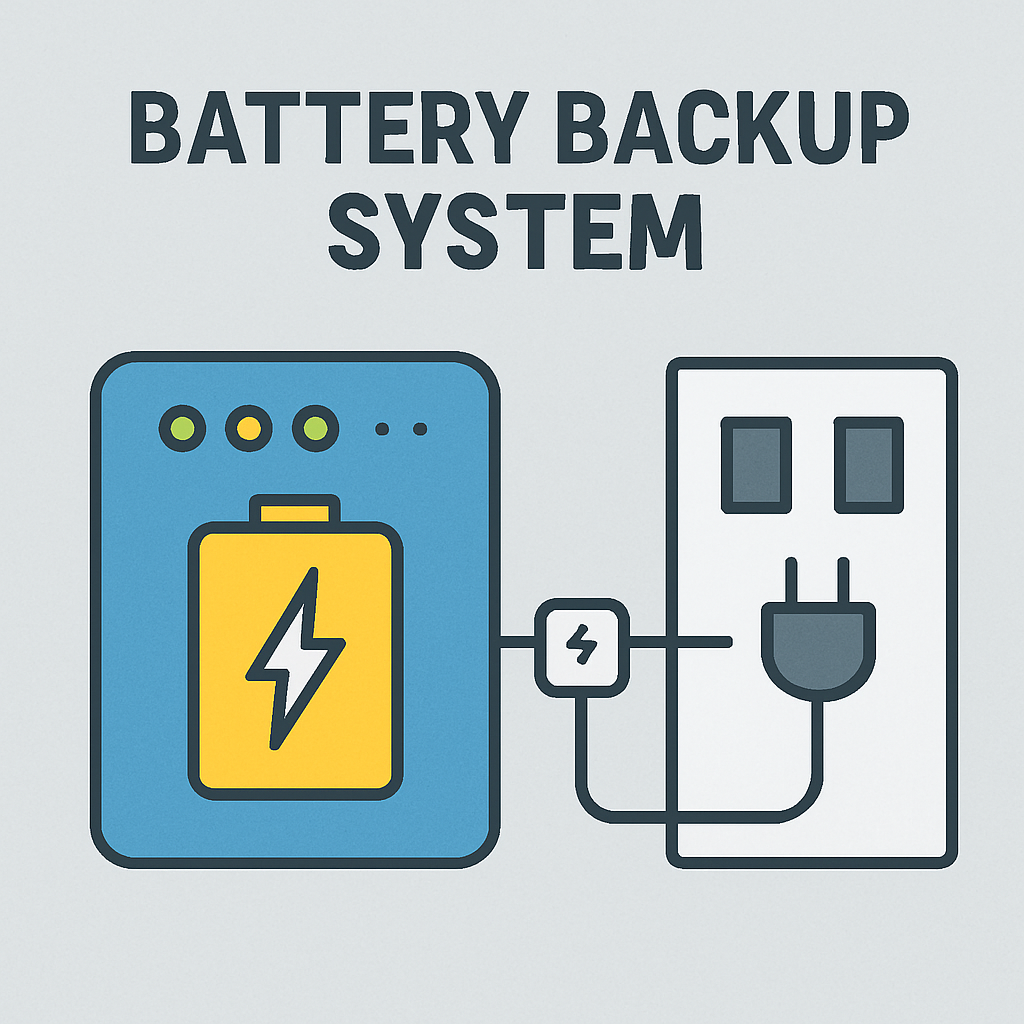
Battery backup duration refers to the length of time that a powerpack or battery system can provide electricity to your devices during a power outage. The duration largely depends on the battery capacity, the power consumption of connected devices, and the efficiency of the system. It's essential to choose a powerpack that meets your specific needs to ensure uninterrupted power during emergencies.
Several factors influence how long an emergency powerpack can supply power:
Battery Capacity: The capacity of a battery is measured in ampere-hours (Ah) or watt-hours (Wh). A higher capacity means more stored energy and longer backup duration.
Device Power Consumption: The power requirements of the devices you plan to connect will impact how long the battery can last. Higher power-consuming devices will drain the battery faster.
Efficiency: The efficiency of the powerpack and its components can affect the duration. Energy losses during conversion and transmission can reduce the effective backup time.
Temperature: Batteries can perform differently depending on the ambient temperature. Extreme cold or heat can shorten the battery life and reduce backup duration.
Age of the Battery: Over time, batteries degrade and may not hold as much charge as they did when new, reducing the backup duration.
To ensure you select the right emergency powerpack, it's crucial to calculate your power needs accurately. Here's a step-by-step guide:
Identify the devices and appliances that are essential during a power outage. This list might include lights, communication devices, medical equipment, and other critical electronics.
Check the power consumption of each device on your list. This information is usually found on the device's label or in its manual. Calculate the total power requirement by adding up the wattage of all devices.
Estimate how long you need each device to run during an outage. Some devices may need to run continuously, while others might only be necessary for a few hours.
Multiply the total power requirement by the estimated usage time for each device to determine the total energy requirement in watt-hours (Wh).
Choose a powerpack with a capacity that meets or exceeds your total energy requirement. Consider a powerpack with a slightly higher capacity to account for inefficiencies and unexpected needs.
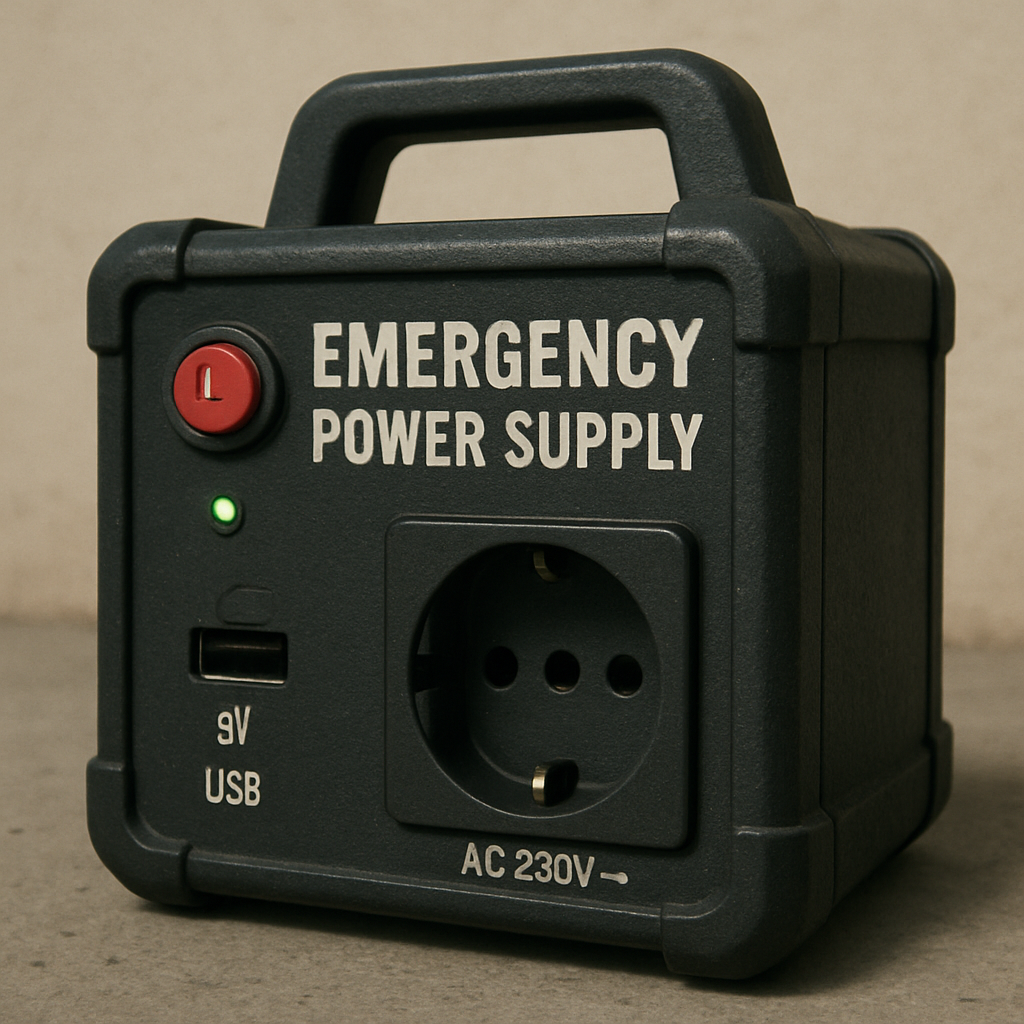
Emergency powerpacks come in various types, each with its advantages and limitations:
Portable power stations are versatile and easy to use. They usually have built-in inverters, multiple outlets, and USB ports for charging devices. These units are ideal for short-term power needs and are often used for outdoor activities as well.
A UPS is designed to provide immediate power backup to critical devices like computers and servers. They are best for short-duration outages and often include surge protection.
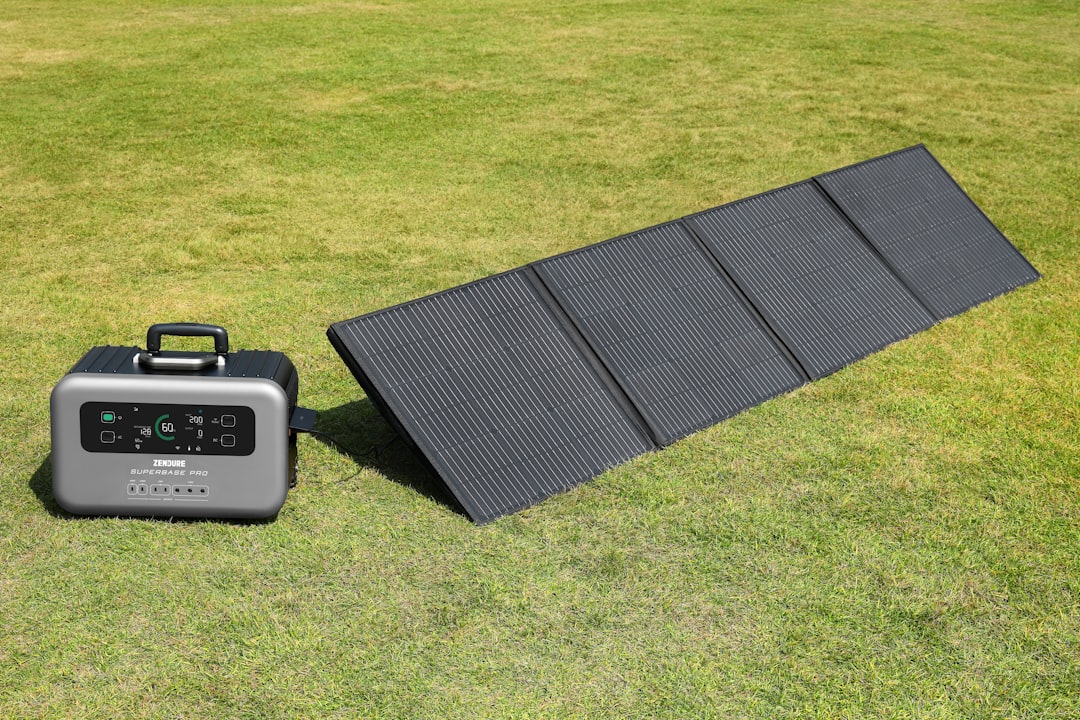
Solar generators harness energy from the sun to recharge the battery. They are environmentally friendly and ideal for extended outages, provided there's enough sunlight to recharge the system.
Standby generators are permanently installed systems that automatically kick in during a power outage. They are powered by fuel sources like propane or natural gas and can provide long-duration power backup for entire homes.
To ensure your emergency powerpack lasts as long as possible, consider these best practices:
Regular Maintenance: Keep your powerpack in good condition by performing regular maintenance checks and replacing batteries as needed.
Energy Efficiency: Use energy-efficient devices and LED lighting to reduce power consumption.
Prioritize Essential Devices: During an outage, prioritize powering essential devices to conserve energy.
Monitor Battery Health: Keep an eye on battery health indicators and replace batteries before they fail.
Use Smart Power Management: Some powerpacks offer smart management features that optimize power usage and extend backup duration.
Choosing the right emergency powerpack with an adequate duration is essential to ensure you're prepared for unexpected power outages. By understanding your power needs and the factors that affect battery backup duration, you can select a powerpack that provides reliable, long-lasting power when you need it most. Whether you opt for a portable power station, UPS, solar generator, or standby generator, being prepared can offer peace of mind and security during emergencies.


)
)
)
)

+86 15899791249

+86 755 2955 3313


Address: Huafeng No.1 Science and Technology Park, Sanwei, Bao'an District, Shenzhen, Guangdong, China.
