

Time:2025-10-29
In today's world, where energy conservation is more important than ever, daylight harvesting has emerged as a vital technique to reduce energy consumption in buildings. This process uses natural light to illuminate spaces, thereby reducing the need for artificial lighting. The goal of daylight harvesting is to create energy-efficient environments that can significantly lower electricity costs and contribute to sustainability efforts. In this article, we will delve into the importance of daylight harvesting energy consumption analysis reports, explore how this technique works, and discuss its benefits for both businesses and the environment.
Daylight harvesting involves the strategic use of natural light to illuminate indoor spaces. This is achieved through architectural design, window placement, and advanced lighting control systems. By adjusting the amount of artificial lighting based on the availability of natural daylight, energy consumption can be significantly reduced.
Daylight harvesting relies on sensors that detect the level of natural light present in a space. These sensors are connected to a lighting control system that adjusts the intensity of artificial lighting accordingly. When there is ample natural light, the system dims or turns off artificial lights, reducing energy consumption. Conversely, when natural light levels drop, the system increases artificial lighting to maintain a consistent level of illumination.
Sensors and controls are the backbone of an effective daylight harvesting system. Photocells or light sensors measure the amount of daylight available and communicate this information to the control system. The control system then adjusts the lighting output to ensure optimal brightness without unnecessary energy use.
Daylight harvesting energy consumption analysis reports are crucial tools for understanding and optimizing the effectiveness of daylight harvesting systems. These reports provide detailed insights into how much energy is being saved and highlight areas for further improvement. Let's explore why these reports are essential:
One of the primary purposes of these reports is to quantify the energy savings achieved through daylight harvesting. By comparing energy consumption before and after implementation, businesses can clearly see the impact of daylight harvesting on their electricity bills.
Analysis reports help identify areas where the system may not be performing optimally. This includes spaces with insufficient natural light or sensors that require recalibration. By addressing these issues, businesses can enhance the efficiency of their daylight harvesting systems.
For many organizations, sustainability is a core value. Daylight harvesting energy consumption analysis reports provide tangible evidence of a company's commitment to reducing its carbon footprint. These reports can be used to showcase environmental responsibility to stakeholders, clients, and regulatory bodies.
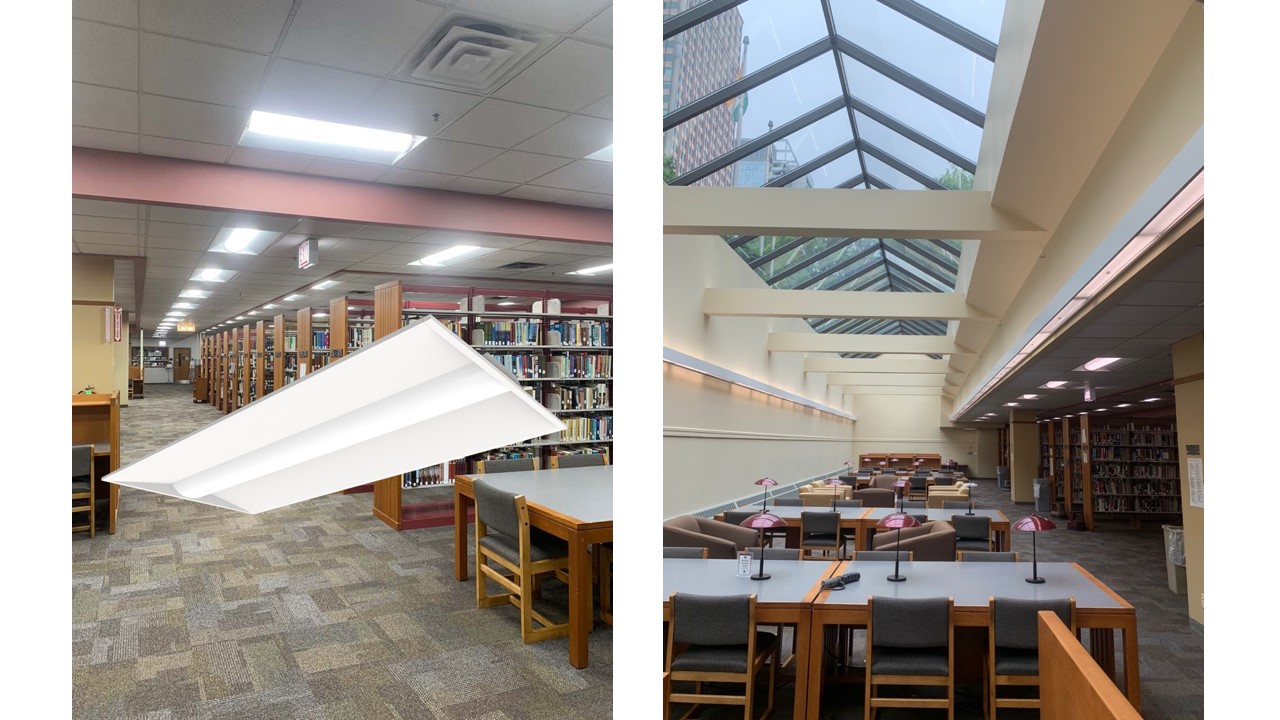
Daylight harvesting offers numerous benefits beyond energy conservation. Let's explore some of these advantages:
By utilizing natural light, businesses can significantly reduce their reliance on artificial lighting. This translates to lower electricity bills and substantial cost savings over time. In commercial buildings, lighting can account for a significant portion of energy expenses, making daylight harvesting an attractive option for cost-conscious organizations.
Natural light has been shown to have a positive impact on human well-being. It enhances mood, increases productivity, and reduces eye strain. By incorporating daylight into indoor environments, businesses can create spaces that are more comfortable and conducive to employee satisfaction.
Reducing energy consumption directly contributes to a decrease in greenhouse gas emissions. Daylight harvesting plays a crucial role in promoting environmental sustainability by minimizing the carbon footprint associated with energy use. As businesses strive to meet environmental regulations and sustainability targets, daylight harvesting becomes an essential component of their strategies.

Implementing daylight harvesting requires careful planning and consideration. Here are some key steps to successfully integrate this technique into your building:
Before implementing daylight harvesting, conduct a lighting audit to assess the current state of your building's lighting systems. Identify areas where natural light can be maximized and pinpoint spaces where daylight harvesting will have the greatest impact.
Invest in high-quality sensors and lighting control systems that are compatible with your building's infrastructure. Consider working with a lighting professional to design a system tailored to your specific needs.
Once the daylight harvesting system is in place, continuously monitor its performance through energy consumption analysis reports. Regularly review these reports to identify areas for improvement and make necessary adjustments to optimize energy savings.
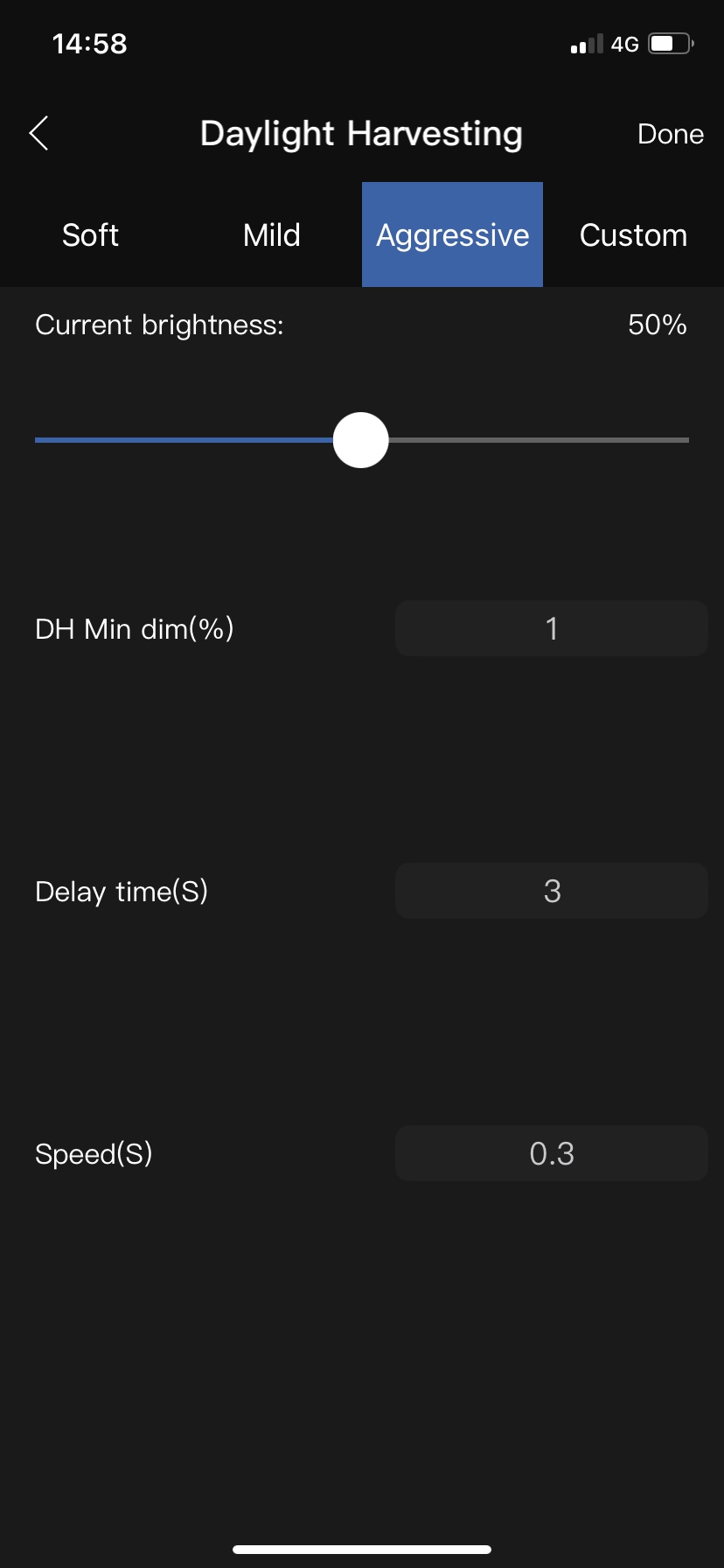
Daylight harvesting is a powerful energy conservation technique that offers significant benefits for businesses and the environment. By strategically using natural light to illuminate indoor spaces, organizations can reduce energy consumption, lower costs, and promote sustainability. Daylight harvesting energy consumption analysis reports are essential tools for measuring the effectiveness of these systems and identifying opportunities for improvement. As more businesses embrace sustainable practices, daylight harvesting will continue to play a vital role in creating energy-efficient and environmentally friendly buildings.
Related news
Daylight Harvesting Integration in Smart Lighting Control | LumiEasy
Daylight Harvesting Calibration Accuracy: Boost Energy Efficiency
NLC Solutions for Modern Smart Factories


)
)
)
)

+86 15899791249

+86 755 2955 3313


Address: Huafeng No.1 Science and Technology Park, Sanwei, Bao'an District, Shenzhen, Guangdong, China.
