

Time:2025-10-30
In an era where energy efficiency is more critical than ever, innovative lighting solutions like continuous dimming daylight harvesting systems are gaining popularity. These systems are designed to optimize lighting based on the natural daylight available, thereby reducing energy consumption and enhancing the comfort of indoor environments. But what exactly are these systems, and how do they work? Let's delve into the configurations and benefits of continuous dimming daylight harvesting systems.
A continuous dimming daylight harvesting system is an advanced lighting control solution that adjusts the intensity of artificial lighting in a space based on the amount of natural daylight present. This system helps maintain a consistent level of illumination, reducing the need for artificial lighting and thus saving energy.
The system uses sensors to detect the amount of natural light entering a space. These sensors are typically installed near windows or skylights. When natural light levels increase, the system dims the artificial lights accordingly. Conversely, when natural light decreases, the system brightens the artificial lights to maintain the desired level of illumination.
There are several configurations available for continuous dimming daylight harvesting systems, each designed to suit different environments and needs. Understanding these configurations can help in choosing the right system for your space.
Open-loop systems measure the amount of daylight entering a space without considering the interior lighting conditions. The sensors are placed outside or facing a window to capture only the daylight. This configuration is ideal for environments where direct sunlight is a significant source of illumination.
Closed-loop systems, on the other hand, measure the total light level within a space, including both natural and artificial lighting. The sensors are typically placed inside the room, facing away from windows. This configuration ensures that the lighting adjustments are based on the actual lighting conditions experienced by occupants.
Hybrid systems combine the features of both open-loop and closed-loop systems. They use sensors to monitor both external daylight and internal lighting conditions, providing a more balanced and responsive lighting adjustment. This configuration is suitable for spaces with varying lighting conditions throughout the day.
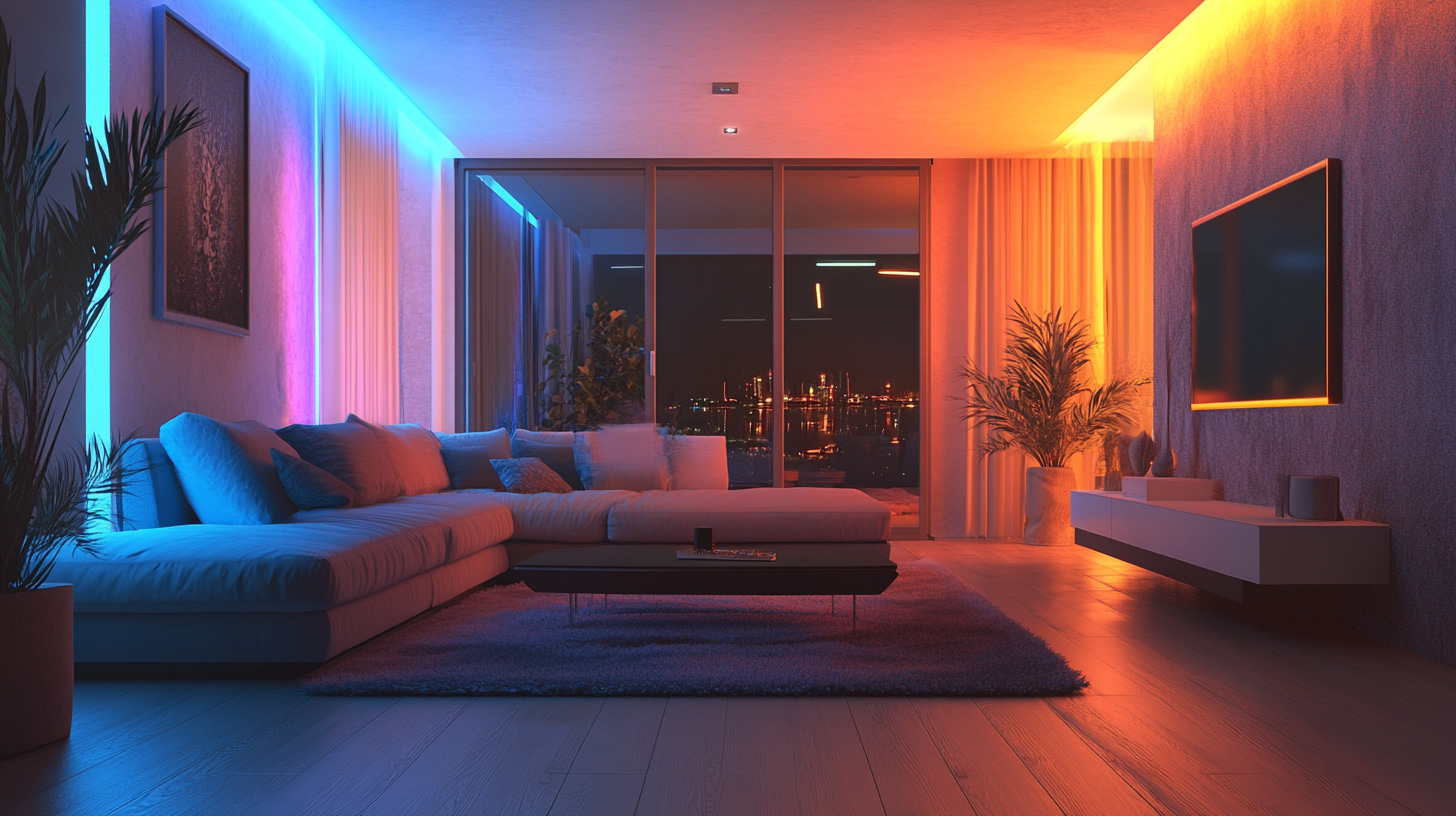
Implementing a continuous dimming daylight harvesting system offers numerous advantages, particularly in terms of energy efficiency and occupant comfort.
One of the most significant benefits of these systems is their ability to reduce energy consumption. By dimming artificial lights in response to natural daylight, these systems can significantly lower electricity usage, leading to cost savings on energy bills.
Continuous dimming systems provide a consistent level of illumination, enhancing the comfort of indoor environments. Occupants experience fewer fluctuations in lighting, which can reduce eye strain and improve productivity.
Reducing energy consumption not only lowers costs but also decreases the environmental impact of a building. By minimizing the reliance on artificial lighting, continuous dimming systems contribute to a reduction in carbon emissions.
When choosing a continuous dimming daylight harvesting system, consider several factors to ensure it meets your specific needs.
The layout and design of your space can influence the effectiveness of a daylight harvesting system. Consider the size and orientation of windows, the presence of obstructions, and the overall layout when selecting a system.
Different spaces have different lighting needs based on their occupancy. For example, an office environment may benefit more from a closed-loop system, while a retail space with large windows might find an open-loop system more suitable.
Your budget and energy efficiency goals will also play a role in determining the right system. While initial costs may be higher for advanced systems, the long-term savings and environmental benefits can outweigh these costs.
Proper installation and maintenance are crucial for the optimal performance of continuous dimming daylight harvesting systems.
It is advisable to have these systems installed by professionals who understand the intricacies of lighting control systems. Proper placement of sensors and calibration is essential for accurate and efficient operation.
Like any other system, continuous dimming daylight harvesting systems require regular maintenance to ensure they continue to function effectively. Regular checks and sensor recalibration can help maintain optimal performance and extend the system's lifespan.
Continuous dimming daylight harvesting systems represent a significant step forward in achieving energy efficiency and enhancing indoor comfort. By understanding the different configurations and their applications, you can choose a system that best suits your needs and contributes to a more sustainable future. Whether for a commercial building, educational institution, or residential property, these systems offer a practical solution for reducing energy consumption and improving the quality of indoor environments.
By embracing these innovative lighting solutions, you can not only save on energy costs but also contribute to a greener, more sustainable world. As we continue to prioritize energy efficiency, continuous dimming daylight harvesting systems will undoubtedly play a critical role in shaping the future of lighting technology.


)
)
)
)

+86 15899791249

+86 755 2955 3313


Address: Huafeng No.1 Science and Technology Park, Sanwei, Bao'an District, Shenzhen, Guangdong, China.
