

Time:2025-10-31
In the world of outdoor lighting, precision and efficiency are pivotal. These elements not only ensure that spaces are adequately illuminated but also play a significant role in conserving energy and reducing operational costs. One of the unsung heroes in achieving this is the outdoor photocell. These small yet powerful devices are responsible for automating lighting systems by detecting natural light levels and adjusting artificial lighting accordingly. However, to function optimally, they require careful calibration and environmental compensation. These processes ensure that photocells operate efficiently under varying conditions, thereby maximizing their potential.
Outdoor photocells are light-sensitive sensors used in various lighting applications, from streetlights to garden lighting systems. Their primary function is to detect changes in ambient light levels and control lighting systems to ensure efficient energy use. When calibrated correctly, they can significantly reduce energy consumption and enhance the lifespan of lighting systems. Photocells are integral to smart lighting solutions, offering a sustainable approach to urban and rural lighting needs.
A photocell operates by using a semiconductor that generates an electrical current when exposed to light. The intensity of the light affects the current generated. This current is then used to activate or deactivate the connected lighting system. For instance, as the sun sets and natural light diminishes, the photocell triggers the lights to turn on. This automated response not only ensures consistent lighting but also reduces the need for manual intervention. Additionally, the technology behind photocells allows for adjustments in sensitivity, enabling them to function in a variety of lighting environments, from dimly lit pathways to brightly illuminated streets.
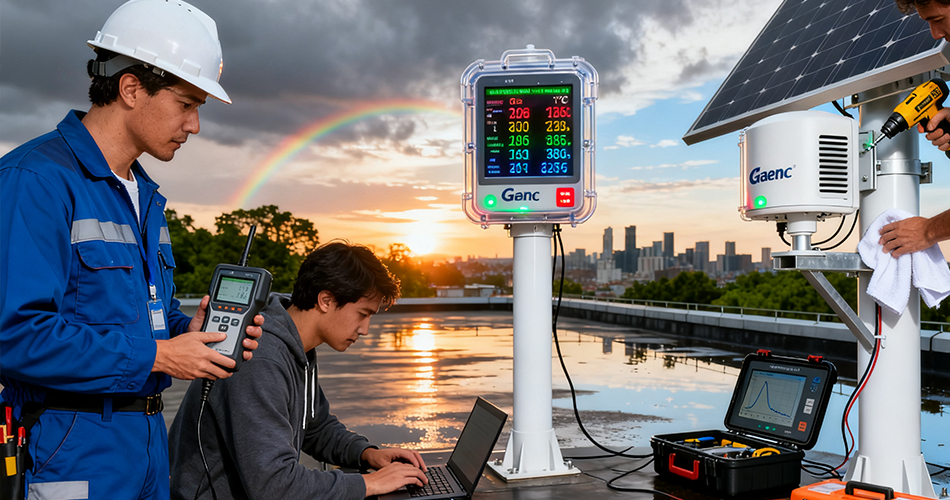
Calibration is the process of adjusting the photocell so that it accurately responds to ambient light levels. Without proper calibration, a photocell may either turn on the lights too early or too late, leading to inefficient energy usage. Incorrect calibration can also result in lights remaining on during daylight hours, which not only wastes energy but can also cause unnecessary wear on lighting fixtures. Therefore, understanding the calibration process is crucial for anyone looking to optimize their lighting systems.
Identify Optimal Light Levels: Determine the desired light levels for your specific application. This varies depending on the locati0n and purpose of the lighting system. For example, streetlights may require different sensitivity settings compared to garden lights, which may be needed only in the early evening hours.
Adjust Sensitivity Settings: Most photocells come with adjustable sensitivity settings. These need to be fine-tuned to match the desired light levels. Adjustments can be made manually or through software, depending on the complexity of the photocell system.
Test Under Different Conditions: Test the photocell in various lighting conditions to ensure it responds appropriately. This includes testing during different times of the day and varying weather conditions. Testing can reveal how photocells react to real-world scenarios, helping in making necessary adjustments for optimal performance.
Regular Maintenance: Periodic checks and recalibrations are essential to account for changes in environmental conditions and to maintain efficiency. Maintenance also involves cleaning the photocells to remove any dirt or debris that might obstruct light detection, ensuring that they function correctly at all times.
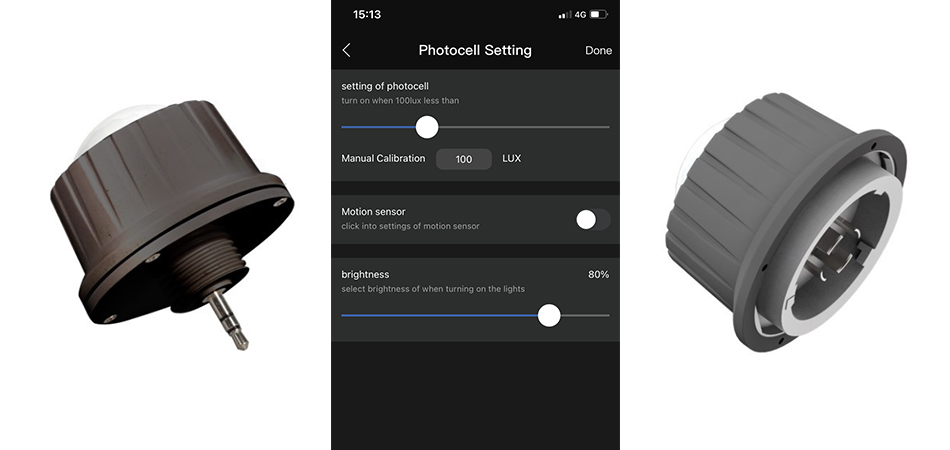
Outdoor photocells are exposed to a wide range of environmental factors that can affect their performance. Understanding these factors is crucial for effective calibration and operation. By anticipating these variables, one can implement strategies to mitigate their impact, ensuring reliable lighting control.
Weather conditions such as fog, rain, and snow can affect the amount of natural light reaching the photocell. This can lead to incorrect readings and inappropriate lighting responses. In foggy conditions, for instance, the reduced visibility might cause the photocell to activate lighting earlier than necessary. Similarly, heavy rain or snow can obscure light sensors, leading to delayed responses.
Changes in the seasons bring variations in daylight hours and intensity. These changes must be considered when calibrating photocells to ensure consistent performance throughout the year. For instance, longer daylight hours in the summer might require different settings than the shorter days of winter. Seasonal calibration adjustments help maintain energy efficiency and ensure that lighting systems are responsive to natural light variations.
Physical obstructions such as trees, buildings, or other structures can block light from reaching the photocell, leading to inaccurate light level readings. This is particularly important in urban environments where high-rise buildings can cast long shadows. Identifying potential obstructions during the installation phase can help in positioning photocells optimally, minimizing their impact on performance.
Environmental compensation involves adjusting the photocell calibration to account for changes in environmental conditions. This ensures that the lighting system operates efficiently regardless of external factors. By incorporating compensation strategies, lighting systems can adapt more dynamically to their surroundings, providing reliable performance under diverse conditions.
Adaptive Control Systems: Use advanced control systems that automatically adjust the photocell sensitivity based on real-time environmental data. These systems can predict changes in weather or daylight, adjusting settings proactively to maintain optimal lighting conditions.
Remote Monitoring: Implement systems that allow for remote monitoring and adjustments of photocell settings. This enables quick responses to changing conditions. Remote monitoring tools can alert technicians to any discrepancies, allowing for timely interventions without the need for physical inspections.
Regular Updates: Keep the photocell firmware and software updated to incorporate the latest advancements in environmental compensation technology. Software updates can introduce new features or improve existing ones, enhancing the photocell's ability to adapt to environmental changes effectively.
The advantages of accurate photocell calibration and environmental compensation are numerous, including:
Energy Efficiency: Properly calibrated photocells reduce energy consumption by ensuring lights are only on when necessary. This not only saves energy but also contributes to a reduction in carbon emissions, supporting environmental sustainability goals.
Cost Savings: Lower energy use translates to reduced electricity bills and maintenance costs. In addition, by prolonging the lifespan of lighting fixtures, the need for replacements and repairs is minimized, leading to further cost savings over time.
Enhanced Safety: Well-lit outdoor areas improve safety and security for both pedestrians and vehicles. Adequate lighting deters criminal activity and reduces the likelihood of accidents, creating safer communities.
Increased Lifespan of Lighting Systems: By avoiding unnecessary usage, the lifespan of lighting systems is extended, reducing the need for frequent replacements. This not only lowers costs but also reduces the environmental impact associated with manufacturing and disposing of lighting fixtures.
Outdoor photocell calibration and environmental compensation are essential for optimizing outdoor lighting systems. By understanding how photocells work, the factors that affect their performance, and the techniques for calibration and compensation, you can ensure your lighting systems are efficient, cost-effective, and reliable. These processes not only enhance the functionality of lighting systems but also contribute to broader goals of sustainability and safety.
As technology advances, new methods and tools for calibration and compensation continue to emerge, offering even greater precision and control over outdoor lighting solutions. Stay informed and regularly update your systems to take full advantage of these innovations, ensuring your outdoor spaces are always well-lit and energy-efficient. Embracing these advancements will not only improve the quality of lighting but also support the creation of smart, sustainable cities for the future.


)
)
)
)

+86 15899791249

+86 755 2955 3313


Address: Huafeng No.1 Science and Technology Park, Sanwei, Bao'an District, Shenzhen, Guangdong, China.
