

Time:2025-12-11
Outdoor lighting systems are the backbone of public safety, commercial security, and urban aesthetics, operating 24/7 in diverse and unpredictable weather conditions—heavy rain, thunderstorms, snowfall, high humidity, and dust storms. At the core of these smart systems, outdoor lighting sensor waterproof performance directly determines operational stability, energy efficiency, and maintenance costs. A non-waterproof or poorly waterproofed sensor can malfunction, short-circuit, or fail entirely when exposed to moisture, leading to unlit walkways, wasted energy from constant-on lights, and costly replacements. For urban planners, facility managers, and commercial property owners, prioritizing outdoor lighting sensor waterproof solutions is essential to building durable, low-maintenance smart outdoor lighting systems that stand up to nature’s challenges.
Outdoor environments expose lighting sensors to relentless moisture intrusion, which is the primary cause of sensor failure. Unlike indoor sensors, outdoor lighting sensors cannot rely on controlled environments to avoid water damage. Rainwater can seep into sensor enclosures through gaps, while high humidity can cause condensation buildup inside components, corroding circuits and disrupting signal transmission. Even light drizzle or morning dew can accumulate over time, gradually degrading non-waterproof sensors.
The consequences of inadequate outdoor lighting sensor waterproof performance extend beyond sensor replacement costs. Malfunctioning sensors may fail to trigger lighting in dark, rainy conditions, increasing the risk of accidents for pedestrians and drivers. Conversely, they may get stuck in the "on" position, wasting significant energy by illuminating unoccupied areas. In commercial settings like shopping mall parking lots or hotel exteriors, faulty outdoor lighting can harm brand reputation and customer trust by creating an unsafe or uninviting atmosphere. For municipal infrastructure like streetlights, sensor failures can strain public budgets and compromise urban safety—making waterproof performance a critical requirement, not an optional feature.
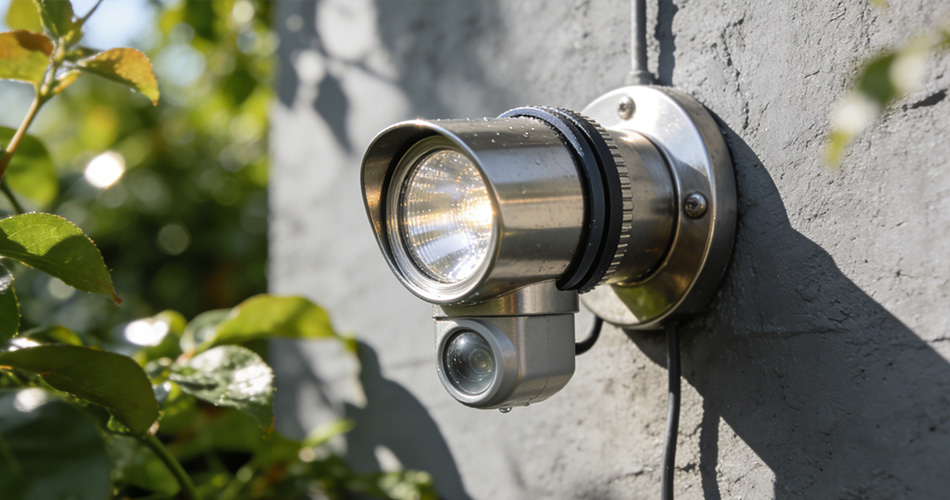
High-performance outdoor lighting sensor waterproof solutions deliver three key benefits that ensure all-weather reliability and long-term value:
First, comprehensive moisture and dust protection. Premium outdoor lighting sensor waterproof designs feature robust sealing technologies—such as rubber gaskets, O-ring seals, or hermetic enclosures—that block rainwater, snowmelt, and humidity from entering internal components. They also achieve dust-tight protection, preventing particulate matter from clogging sensors or scratching optical lenses (critical for motion and ambient light detection). This all-around protection ensures sensors operate consistently in environments ranging from rainy coastal cities to dusty desert regions.
Second, enhanced environmental durability. Beyond waterproofing, these sensors are engineered to withstand extreme temperature fluctuations (from sub-zero winters to scorching summers) and UV radiation. UV-stabilized materials prevent enclosure brittleness or fading, while temperature-resistant electronics ensure detection accuracy even in extreme heat or cold. This durability reduces maintenance frequency, as sensors do not require seasonal replacements or repairs due to weather-related wear.
Third, stable performance for smart lighting integration. Waterproof outdoor lighting sensors seamlessly integrate with smart lighting systems and building management platforms (BMS), maintaining reliable data transmission (wired or wireless) even in wet conditions. They ensure consistent communication for occupancy detection, daylight harvesting, and remote control—enabling energy-saving features like dimming during low-traffic hours or triggering lights only when motion is detected. This stability maximizes the energy efficiency benefits of smart outdoor lighting systems.
Outdoor lighting sensor waterproof solutions are versatile, adapting to a wide range of non-marine outdoor scenarios where moisture and weather exposure are inevitable:
Urban streetlights and roadways: Municipalities rely on waterproof outdoor lighting sensors to control streetlights, pedestrian crossing lights, and highway illumination. These sensors detect ambient light levels (to turn lights on at dusk) and motion (to brighten lights when vehicles or pedestrians approach), all while withstanding rain, snow, and road salt spray. Their waterproof design ensures year-round reliability, reducing the need for emergency repairs during storms.
Commercial parking lots and retail exteriors: Shopping malls, grocery stores, and retail plazas use waterproof outdoor lighting sensors to enhance security and customer safety. Sensors trigger lighting in parking lots, walkways, and entrance areas when motion is detected, deterring theft and creating a welcoming atmosphere. Waterproof performance ensures they operate during rainstorms or morning dew, while dust protection keeps them functional in busy parking environments.
Public parks and recreational areas: Parks, trails, and sports complexes use waterproof outdoor lighting sensors to control lighting for evening activities. Sensors adjust based on occupancy (e.g., illuminating a jogging trail when users are present) and ambient light, conserving energy while ensuring safety. Their durability withstands exposure to rain, humidity, and occasional flooding in low-lying park areas.
Campuses and healthcare facilities: School, university, and hospital campuses require reliable outdoor lighting for student, staff, and patient safety. Waterproof sensors control lighting in parking garages, walkways, and emergency exits, operating consistently in rain or snow. They also integrate with campus security systems, triggering lights and alerts when unusual motion is detected—enhancing overall safety protocols.
Industrial outdoor yards: Manufacturing plants, warehouses, and logistics centers use waterproof outdoor lighting sensors to control lighting in loading docks, storage yards, and perimeter fences. These sensors withstand rain, dust, and occasional chemical splashes, ensuring illumination for nighttime operations and security monitoring. Their robust design reduces downtime in harsh industrial outdoor environments.
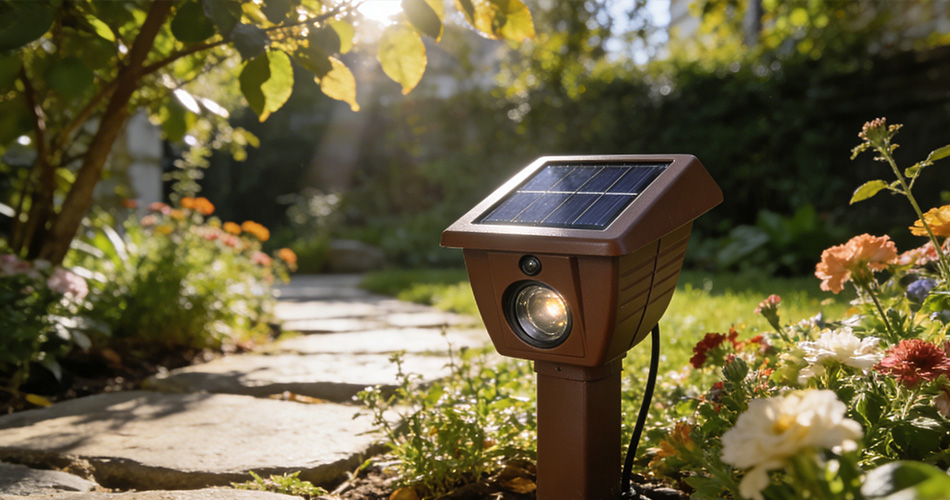
To maximize the reliability and value of outdoor lighting sensor waterproof investments, organizations should follow four critical selection and implementation guidelines:
First, align waterproof protection with environmental conditions. Choose sensors with appropriate ingress protection (IP) ratings based on the local climate. For rainy or humid areas, select sensors with IP65 or higher ratings (dust-tight and protected against low-pressure water jets). For regions with heavy rain or occasional submersion (e.g., flood-prone areas), opt for IP67 or IP68 ratings—ensuring temporary or prolonged water exposure does not cause damage.
Second, verify compatibility with smart lighting systems. Ensure waterproof outdoor lighting sensors integrate seamlessly with existing or planned smart lighting controls, BMS, and wireless protocols (e.g., Wi-Fi, LoRaWAN). Compatibility ensures that waterproof performance does not compromise the sensor’s ability to communicate data for energy-saving features or remote monitoring.
Third, prioritize sensor type for the application. Select the right sensor type (motion, occupancy, ambient light) based on the use case. For example, motion sensors are ideal for security-focused areas like parking lots, while ambient light sensors work best for streetlights that rely on daylight harvesting. Ensure the sensor’s detection range and sensitivity are tailored to the space (e.g., longer ranges for large parking lots).
Fourth, ensure proper installation for waterproof integrity. Follow manufacturer guidelines to maintain the sensor’s waterproof seal during installation. Use weather-resistant mounting hardware, avoid damaging seals when routing wires, and position sensors to prevent water pooling (e.g., angling sensors downward to shed rainwater). Professional installation ensures that the sensor’s waterproof design performs as intended.
As smart outdoor lighting infrastructure evolves, outdoor lighting sensor waterproof technology is advancing to deliver greater efficiency and reliability:
One trend is the integration of self-monitoring features. Modern waterproof sensors include built-in diagnostics to monitor seal integrity and internal moisture levels, alerting facility managers to potential waterproofing failures before sensor malfunction occurs. This predictive maintenance capability reduces downtime and extends sensor lifespan.
Another trend is low-power, energy-harvesting designs. Manufacturers are combining waterproof technology with solar panels or kinetic energy harvesters, eliminating the need for battery replacements or wired power. These self-sustaining sensors are ideal for remote outdoor areas (e.g., park trails) where power access is limited, reducing maintenance and environmental impact.
Finally, modular waterproof designs. Newer sensors feature modular enclosures that allow for easy maintenance or upgrades without compromising waterproof integrity. Technicians can access internal components through sealed, easy-open lids—reducing service time and ensuring the waterproof seal is re-established correctly after maintenance.
In conclusion, outdoor lighting sensor waterproof performance is a foundational requirement for reliable, efficient smart outdoor lighting systems. By delivering comprehensive moisture protection, environmental durability, and stable integration with smart platforms, these sensors ensure safety, reduce energy costs, and minimize maintenance in diverse outdoor environments. By following targeted selection and installation guidelines, organizations can maximize the value of waterproof outdoor lighting sensors across urban, commercial, and public infrastructure applications. As self-monitoring and energy-harvesting technologies advance, outdoor lighting sensor waterproof solutions will become even more efficient and resilient, supporting the growth of sustainable, smart cities. For any organization investing in outdoor lighting, prioritizing outdoor lighting sensor waterproof design is a strategic choice that delivers long-term reliability and operational peace of mind.


)
)
)
)

+86 15899791249

+86 755 2955 3313


Address: Huafeng No.1 Science and Technology Park, Sanwei, Bao'an District, Shenzhen, Guangdong, China.
