

Time:2026-01-08
In the rapidly evolving world of smart technology, PR sensors (Passive Infrared Sensors) have emerged as a key component for enhancing precision in presence detection systems. From automated lighting systems to advanced security solutions, PR sensors are now widely used to detect motion and presence by sensing infrared radiation from objects within their range. These sensors are increasingly integral to creating energy-efficient, responsive environments, particularly in applications such as presence detection, smart buildings, and industrial automation. This article explores how PR sensors work, their various applications, and how PR sensor coverage specifications and sensitivity adjustments improve their accuracy and efficiency.
A PR sensor, also known as a Passive Infrared (PIR) sensor, is a type of sensor that detects infrared light (heat) emitted by objects. Unlike active sensors, PR sensors do not emit any signal but rather detect the natural infrared radiation emitted by people, animals, or other objects. This makes PR sensors ideal for applications requiring energy efficiency, such as lighting control, security systems, and occupancy sensors.
These sensors work by detecting the movement of infrared radiation, typically from human bodies. When a person enters the detection field, the sensor detects the change in infrared radiation and sends a signal to activate the system—whether it's turning on lights, adjusting the thermostat, or triggering an alarm.
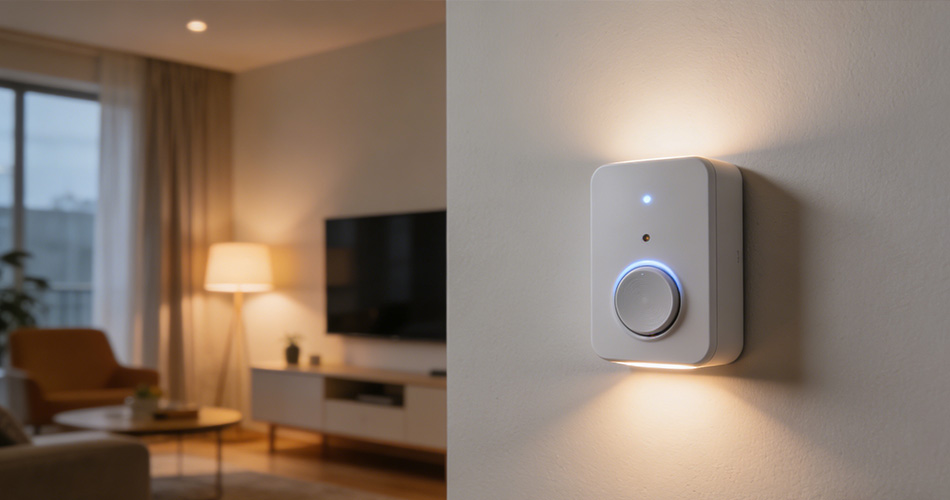
Presence detection PR sensors are widely used in buildings, homes, and industrial environments to automate systems based on the presence or absence of individuals. PR sensors are integral to energy-saving technologies, particularly for systems that only need to be activated when needed.
In commercial settings, presence detection powered by PR sensors can ensure that lighting, HVAC, and other systems operate only when spaces are occupied, greatly reducing energy consumption. These sensors provide real-time data on room occupancy, enabling systems to react dynamically to human presence, optimizing comfort while reducing energy waste.
The precision of presence detection PR sensors is enhanced by factors such as PR sensor sensitivity adjustment and sensor coverage specifications, ensuring that systems respond accurately to the presence of people or objects without false triggers.
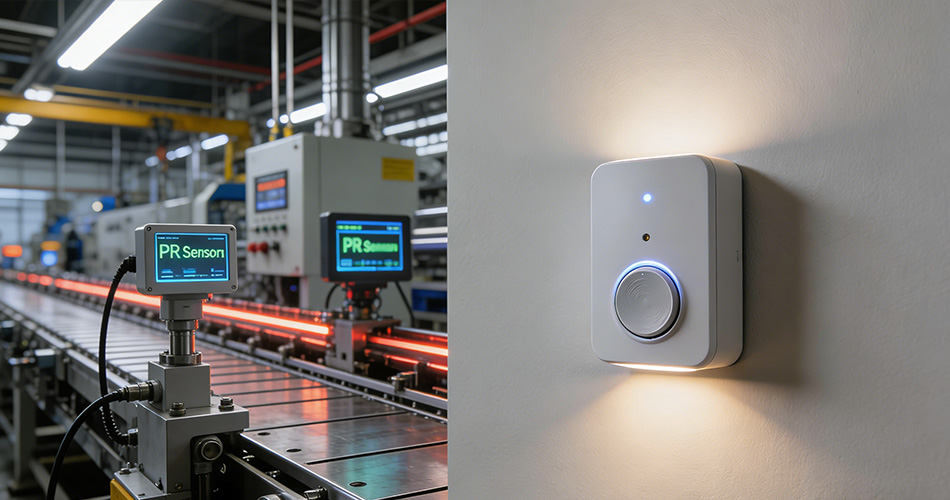
Passive infrared PR applications span a wide range of industries, from commercial buildings to industrial facilities, security systems, and consumer electronics. The ability of PR sensors to detect minute changes in infrared radiation makes them perfect for various applications, including:
Smart Lighting: PR sensors in lighting systems enable automatic lighting control based on room occupancy, reducing energy consumption in both residential and commercial spaces.
Security Systems: In security applications, PR sensors are used for motion detection to trigger alarms or activate surveillance systems, providing a more responsive and efficient security setup.
Smart Homes and Buildings: PR sensors are integrated into smart building solutions to automate systems like heating, cooling, and lighting, based on occupancy and presence.
The versatility of PR sensors in these applications is a testament to their growing importance in the realm of automation and energy efficiency.
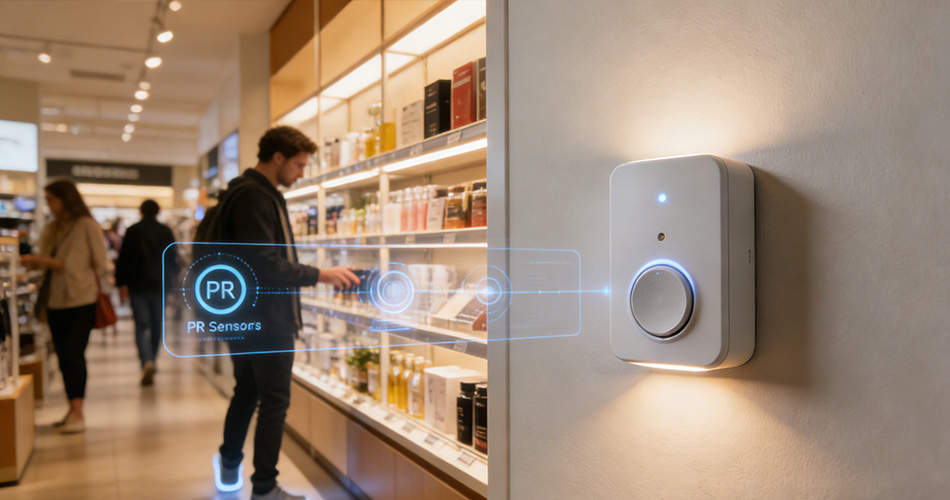
When implementing PR sensors, understanding the PR sensor coverage specifications is crucial for ensuring optimal performance. Coverage specifications refer to the range and field of view within which the sensor can detect movement or presence. These specifications vary by sensor model and are influenced by factors such as the sensor's lens type, installation height, and detection angle.
For instance, a typical PR sensor may have a detection range between 5 to 12 meters, depending on its design and purpose. Some PR sensors are designed to cover a wide area, ideal for open spaces, while others have narrow fields of view, better suited for precise detection in smaller rooms or corridors.
Properly selecting PR sensor coverage specifications ensures that your sensor network provides adequate coverage for the intended space, minimizing blind spots or unnecessary activations. This is especially important for applications like lighting control, where incorrect coverage could lead to energy inefficiencies.
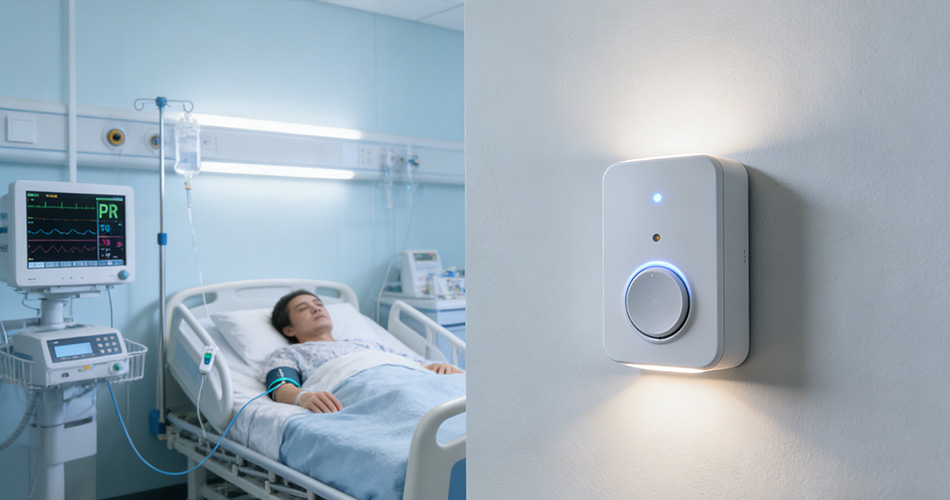
One of the key advantages of PR sensors is the ability to adjust their sensitivity to suit different environments. PR sensor sensitivity adjustment allows the user to fine-tune the sensor to detect specific types of motion or to filter out unwanted sources of infrared radiation. This adjustment helps to prevent false positives or negatives, ensuring more accurate detection.
In environments with varying levels of activity, such as offices or warehouses, adjusting the PR sensor sensitivity can ensure that the sensor is responsive enough to detect human presence but not overly sensitive to minor temperature changes or other environmental factors. For example, in a busy area with frequent movement, increasing the sensitivity of a PR sensor may be necessary to detect subtle human movements. Conversely, in quieter environments, reducing sensitivity can help prevent unnecessary activations from background temperature fluctuations.
As the demand for energy-efficient and automated systems increases, the use of PR sensors in various industries is expected to grow. Some key areas where PR sensors will have a significant impact include:
Building Automation: With the rise of smart buildings and IoT, PR sensors will play an essential role in creating intelligent, energy-efficient spaces. The integration of PR sensors in lighting and HVAC systems ensures automatic adjustments based on occupancy, improving both energy savings and occupant comfort.
Industrial IoT: PR sensors are increasingly used in industrial environments for automation and predictive maintenance. They can help monitor personnel movement and detect abnormalities, enhancing safety and operational efficiency.
Healthcare: In healthcare settings, PR sensors can be employed for monitoring patient presence or triggering emergency systems in response to movement or lack of activity.
The future of PR sensor technology looks bright, with continued advancements in sensitivity, integration, and efficiency driving the evolution of connected, responsive systems across industries.
PR sensors are at the forefront of revolutionizing how we interact with our environment. Their ability to provide precise, low-power detection makes them integral to applications that require smart, responsive systems. From presence detection PR sensors in lighting and security systems to passive infrared PR applications in industrial IoT, these sensors offer a versatile and efficient solution for modern automation needs.
By understanding the importance of PR sensor coverage specifications and sensor sensitivity adjustment, businesses and consumers can ensure that their PR sensor systems operate with maximum efficiency and accuracy. As PR sensors continue to evolve, their role in creating smarter, more energy-efficient environments will only increase, making them an essential component in the future of connected technologies.
A PR sensor (Passive Infrared sensor) detects infrared radiation emitted by humans or objects in its field of view. By measuring changes in infrared radiation, the sensor can detect motion or presence, making it ideal for applications like lighting control and security.
Presence detection PR sensors are used to detect the presence of people in a room or space. These sensors are commonly used in smart lighting systems, HVAC systems, and security systems to activate or deactivate systems based on occupancy, helping improve energy efficiency.
PR sensor coverage specifications define the area within which the sensor can detect motion. These specifications are essential for ensuring that the sensor provides adequate coverage without creating blind spots or unnecessary activations. Proper coverage ensures that systems like lighting or HVAC operate efficiently.
Adjusting the PR sensor sensitivity ensures that the sensor responds appropriately to the environment. In high-traffic areas, increasing sensitivity helps detect subtle movements, while reducing sensitivity in quieter spaces helps avoid false activations due to minor environmental changes.
PR sensors are widely used in applications like presence detection, smart lighting, security systems, building automation, and industrial IoT. Their ability to detect movement and occupancy makes them integral to energy-efficient, automated environments.


)
)
)
)

+86 15899791249

+86 755 2955 3313


Address: Huafeng No.1 Science and Technology Park, Sanwei, Bao'an District, Shenzhen, Guangdong, China.
