

1) What is a Photocell light sensor?
A Photocell light sensor is a control device that measures ambient light. When daylight falls below a set threshold, it closes a relay and powers the luminaire. When daylight rises above another threshold, it opens the relay and turns the luminaire off.
In simple terms, photocells follow the natural day/night cycle—making them ideal for outdoor lighting where schedules vary by season and geography.
Common applications
Street and roadway lighting
Parking lot and area lighting
Building façade and perimeter/security lighting
Industrial yards, storage areas, loading docks
Outdoor signage and landscape lighting
These environments benefit most because automation prevents “lights left on” waste and improves safety and security after dark.
2) Photocell dusk dawn operation: how it works in the real world
Ambient-light switching (not time-based)
Photocells do not use a clock. They continuously measure ambient light and switch ON and OFF at defined points—commonly described as ON lux and OFF lux thresholds.
Time delay prevents nuisance switching
Outdoor conditions can change quickly due to headlights, lightning, brief shadows, or reflective surfaces. Many photocells include a time delay (especially on OFF) to prevent rapid cycling.
Best practice: When specifying products, confirm switching thresholds and delay behavior so your photocell dusk dawn operation stays stable under real site conditions.
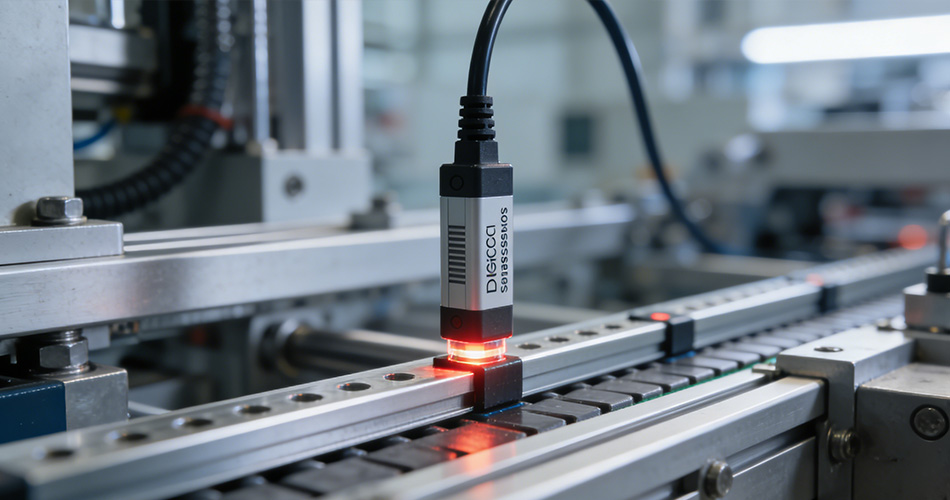
3) Outdoor photocell sensor calibration: turning “it works” into “it works perfectly”
Many outdoor projects underperform not because the photocell is defective, but because the switching point doesn’t match the site’s lighting and safety needs. That’s what calibration is for.
What calibration means
Outdoor photocell sensor calibration generally means setting the sensor’s switching threshold (lux level) to match the environment:
Lower ON threshold: turns on later (darker) → saves more energy but may reduce early-evening visibility
Higher ON threshold: turns on earlier (brighter) → improves perceived safety but increases runtime slightly
Adjustable vs preset photocells
Preset models are simpler and cost-effective when site conditions are consistent.
Adjustable models allow tuning for complex sites (mixed lighting, reflective surfaces, high-security requirements), often via a dial or DIP switch settings.
Use a lux meter for repeatability
If you need precise results, a lux meter helps align the sensor threshold with actual site conditions. This makes outdoor photocell sensor calibration repeatable across multiple poles or fixtures.
Calibration checklist
Define target ON/OFF behavior (safety vs savings priority)
Ensure the sensor is not “seeing” the luminaire’s own light
Validate operation across at least one full dusk-to-dawn cycle
Fine-tune threshold and delay settings (if available)
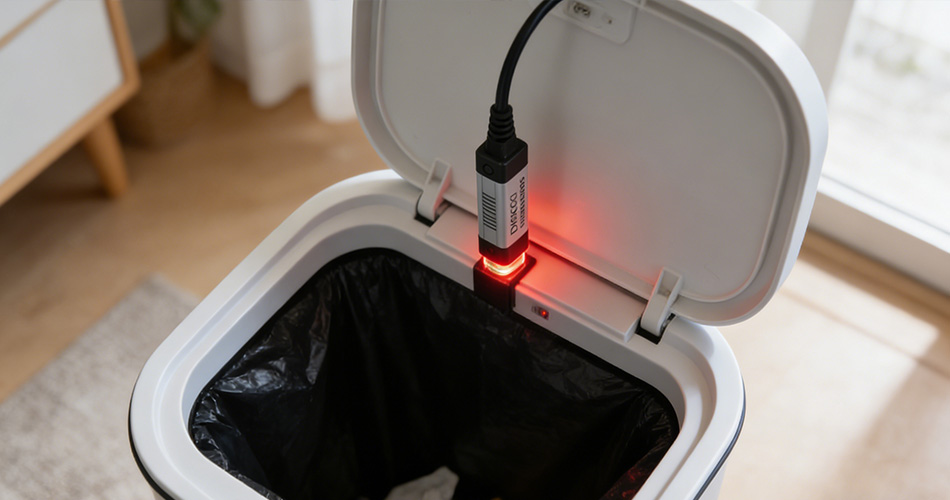
4) Weatherproof photocell sensor installation: placement, sealing, and wiring
Even the best sensor will fail early if installed incorrectly. A professional weatherproof photocell sensor installation focuses on two outcomes: accurate sensing and long-term environmental protection.
Placement rules that prevent common failures
Do not face the sensor toward the luminaire it controls (prevents self-trigger cycling)
Avoid mounting where it is shaded by signs, branches, rooflines, or building edges (prevents “always on”)
Choose a location that represents true ambient light for that zone (not a spotlight beam)
Keep the sensor lens clean and accessible for maintenance
Twist-lock photocell installation (common for poles and outdoor luminaires)
Twist-lock sensors typically fit a standard socket, enabling quick replacement. Installation generally involves aligning pins, inserting the photocell, twisting to lock, and then testing switching by temporarily covering the sensor.
Hardwired (wire-in) photocell installation
Hardwired models should be installed in a proper junction box or weatherproof enclosure with:
Correct strain relief
Proper gaskets/sealant
Clean wiring practices and secure terminals
Field test tip: After installation, validate switching across a full evening/morning cycle to confirm stable photocell dusk dawn operation.
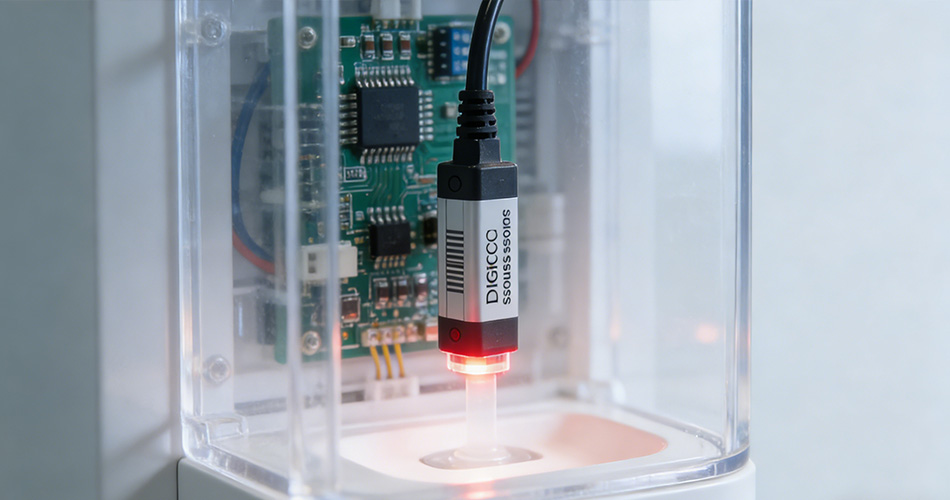
5) What makes industrial grade photocell sensors “industrial”?
For industrial sites and mission-critical outdoor lighting, reliability matters more than the lowest initial cost. Industrial grade photocell sensors are designed to survive harsh conditions while maintaining consistent performance year after year.
Key features to specify
A) Weather and ingress protection
Look for robust sealing and appropriate IP protection for rain, dust, and washdown environments.
B) Surge resistance
Outdoor poles and long cable runs are susceptible to electrical surges. Industrial-grade models often include stronger surge protection design to reduce failures.
C) Long cycle life
Outdoor lighting cycles daily. A photocell should be designed for long switching life to avoid frequent replacements.
D) Wide temperature tolerance and UV durability
Outdoor controls must handle heat, cold, humidity, and sun exposure. Industrial-grade designs typically specify wide operating temperature ranges and materials suitable for UV exposure.
Bottom line: If you’re supplying industrial facilities, municipalities, or high-reliability commercial projects, specifying industrial-grade products reduces maintenance trips and warranty risk.
6) Selecting the right Photocell light sensor for your project
Use this quick selection guide when specifying or sourcing:
Step 1: Choose mounting style
Twist-lock: fast replacement and scalable maintenance
Wire-in: compact and cost-effective for certain fixture types, but requires disciplined weatherproof installation
Step 2: Decide on control behavior
Standard dusk-to-dawn switching
Adjustable thresholds (recommended for complex or security-sensitive sites)
Built-in delay behavior for flicker resistance
Step 3: Verify environmental requirements
Weather exposure level (rain, dust, coastal air)
Surge risk (long runs, pole-mounted installations)
Temperature range and UV exposure
Step 4: Confirm electrical compatibility
Voltage range and fixture type
LED driver compatibility (especially inrush current considerations)
Wiring method and regional compliance requirements
7) Troubleshooting: common issues and fast fixes
Issue: Light stays ON during daytime
Likely causes:
Sensor is mounted in shade or not exposed to daylight
Sensor lens is dirty or covered
Incorrect wiring (line/load reversed or bypassed)
Fix:
Reposition for true ambient light exposure
Clean the lens and confirm proper wiring
Issue: Light cycles ON/OFF at night
Likely causes:
Sensor “sees” the luminaire’s own light (feedback loop)
Nearby reflective surfaces
Threshold too high or insufficient delay
Fix:
Reposition or shield the sensor
Adjust settings during outdoor photocell sensor calibration
Issue: Random switching due to storms or headlights
Likely causes:
No delay filtering
Low-quality sensor design or damaged wiring
Fix:
Use industrial grade photocell sensors with stable delay behavior and robust construction
8) Why photocells are a smart investment for outdoor lighting
A well-specified Photocell light sensor program delivers immediate value:
Reduces wasted runtime (lights operate only when needed)
Automatically adapts to seasonal changes (no manual timer resets)
Improves safety and security by ensuring lighting after dark
Lowers maintenance cost when you specify industrial grade photocell sensors
For contractors and OEMs, it also improves project handover: your customer receives consistent and predictable photocell dusk dawn operation across the site.
Call to Action (for commercial & industrial buyers)
If you are sourcing industrial grade photocell sensors for parking lots, roadways, warehouses, industrial yards, or building perimeters, choose a solution that supports stable photocell dusk dawn operation, repeatable outdoor photocell sensor calibration, and a proven weatherproof photocell sensor installation method.
To get an accurate recommendation and quotation, prepare:
Application type (roadway / area / perimeter / façade)
Voltage and fixture/driver details
Mounting preference (twist-lock vs wire-in)
Environment (coastal, heavy dust/rain, high surge risk)
Target switching behavior (earlier ON for safety vs later ON for energy savings)
FAQ (SEO-focused)
1) What is a Photocell light sensor used for?
A Photocell light sensor automates outdoor lighting by detecting ambient light and enabling dusk-to-dawn switching, providing consistent photocell dusk dawn operation without manual control.
2) How do I perform outdoor photocell sensor calibration?
Outdoor photocell sensor calibration involves setting the ON/OFF lux threshold to match your site’s needs. Adjustable models let you tune sensitivity, and using a lux meter makes calibration repeatable across multiple installations.
3) What are best practices for weatherproof photocell sensor installation?
For weatherproof photocell sensor installation, avoid aiming the sensor at the luminaire, protect wiring with a sealed enclosure (for wire-in types), ensure a secure socket lock (for twist-lock types), and test switching behavior after installation.
4) Why do industrial grade photocell sensors matter for outdoor projects?
Industrial grade photocell sensors are built for harsher outdoor environments—better sealing, improved surge resistance, long cycle life, and wider temperature tolerance—reducing failures and maintenance trips.
5) What causes photocell dusk dawn operation to flicker or cycle at night?
Most flicker comes from the sensor detecting the luminaire’s own light or reflections. Repositioning the sensor, adding shielding, and adjusting thresholds during outdoor photocell sensor calibration usually resolves the issue.
Related news
Fixture Mounted Sensors Guide for LED Manufacturers | LumiEasy
PR Sensor Coverage Specs: Key to Precision & Accuracy
Optimize Outdoor Photocell Sensor: Calibration Guide
Dimmers Switches & Accessories


)
)
)
)


