

Time:2025-10-31
In today's fast-paced world, efficient lighting solutions are more important than ever. One innovative technology that has gained popularity is the photocell light sensor. These sensors help automate outdoor lighting, providing convenience, energy savings, and enhanced security. This article explores the benefits of using photocell light sensors and how they can make a difference in your outdoor lighting setup.
A photocell light sensor, also known simply as a photocell sensor, is a device that detects light levels and automatically turns lights on or off based on the amount of natural light present. These sensors are commonly used in outdoor lighting systems, such as streetlights, security lights, and garden lighting, to ensure lights operate only when needed.
Photocell light sensors work by measuring the natural light in the environment. When the light levels drop below a certain threshold, such as at dusk, the sensor activates the connected lights. Conversely, when the light levels increase, such as at dawn, the sensor turns the lights off. This automatic adjustment ensures that lighting is only used when necessary, reducing energy consumption and extending the lifespan of the lighting fixtures.
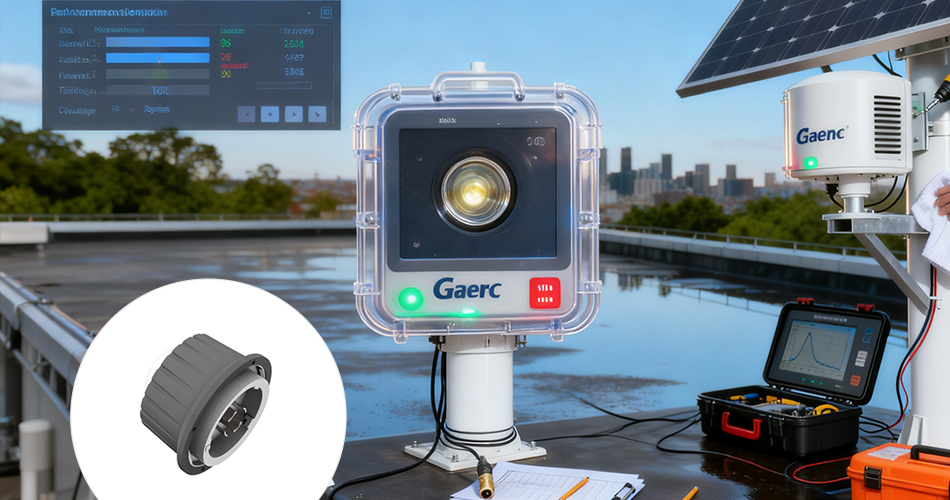
One of the primary benefits of using photocell light sensors is energy efficiency. By automatically turning lights on and off based on natural light levels, these sensors help reduce unnecessary energy consumption. This not only lowers electricity bills but also contributes to environmental conservation by reducing carbon emissions.
With reduced energy consumption comes significant cost savings. Photocell light sensors help decrease electricity usage, leading to lower utility bills. Additionally, by ensuring that lights are only used when needed, these sensors can extend the lifespan of lighting fixtures, further reducing replacement and maintenance costs.
Photocell light sensors enhance security by ensuring that outdoor areas are well-lit during nighttime hours. Adequate lighting can deter potential intruders and increase safety for residents and visitors. By automatically illuminating outdoor spaces at dusk, these sensors provide peace of mind and contribute to a safer environment.
Gone are the days of manually switching outdoor lights on and off. Photocell light sensors offer the convenience of automation, allowing you to focus on other tasks without worrying about lighting. Whether you're at home or away, these sensors ensure that your outdoor areas are consistently illuminated when needed.
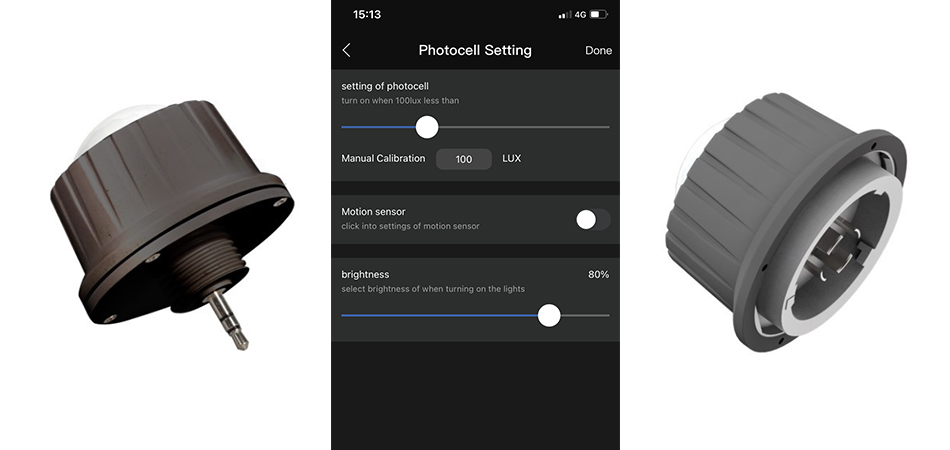
While both photocell light sensors and motion sensors are used to enhance outdoor lighting systems, they serve different purposes. Photocell sensors respond to changes in natural light levels, while motion sensors detect movement. Understanding the differences between these two technologies can help you choose the best solution for your lighting needs.
Photocell sensors are ideal for areas where consistent lighting is necessary during nighttime hours, such as walkways, driveways, and streetlights. They provide a reliable solution for ensuring that these spaces remain illuminated from dusk until dawn.
Motion sensors are better suited for areas where lighting is only needed when movement is detected. Examples include security lights, garage entrances, and pathways. Motion sensors help conserve energy by activating lights only when someone is present, making them a great addition to security systems.
Installing photocell light sensors is a straightforward process that can be done by homeowners or professional electricians. Here are some key steps to consider when adding photocell sensors to your outdoor lighting system:
When choosing a photocell sensor, consider factors such as sensitivity, compatibility with your existing lighting fixtures, and the specific needs of your outdoor space. Some sensors come with adjustable settings, allowing you to customize the light activation threshold and duration.
Proper placement is crucial for optimal sensor performance. Ensure that the photocell sensor is positioned to accurately detect natural light levels. Avoid placing the sensor near artificial light sources, such as streetlights or porch lights, which can interfere with its operation.
If you're comfortable with electrical work, you can install the sensor yourself by following the manufacturer's instructions. Otherwise, hiring a professional electrician can ensure a safe and efficient installation. Proper wiring and secure connections are essential for the sensor to function correctly.
Photocell light sensors offer numerous benefits for outdoor lighting systems, including energy efficiency, cost savings, enhanced security, and convenience. By automating lighting based on natural light levels, these sensors provide a reliable and eco-friendly solution for maintaining well-lit outdoor spaces. Whether you're looking to improve security, reduce energy consumption, or simply enjoy the convenience of automatic lighting, photocell sensors are a valuable addition to any property.
Explore the possibilities of photocell light sensors and enhance your outdoor lighting experience today.


)
)
)
)

+86 15899791249

+86 755 2955 3313


Address: Huafeng No.1 Science and Technology Park, Sanwei, Bao'an District, Shenzhen, Guangdong, China.
