

Time:2025-10-20
In the world of building automation, the integration of various technologies is crucial for creating efficient and safe environments. Among these technologies, plenum rated ceiling sensors play a pivotal role. These sensors are not only key to monitoring conditions within a building but also ensure compliance with safety regulations. This article delves into the importance of plenum rated ceiling sensors, their applications, and how they fit into the broader landscape of building automation.
Plenum rated ceiling sensors are devices designed to be installed in the plenum spaces of buildings. Plenum spaces are areas used for air circulation for heating and air conditioning systems, typically found between the structural ceiling and a drop ceiling or under a raised floor. These spaces are critical for the distribution of conditioned air within a building.
Plenum rated sensors are specifically constructed to meet fire safety standards. They are made with materials that emit low levels of smoke and toxic gases if they catch fire, making them safe to use in these air circulation spaces. This is crucial as the materials in plenum spaces must adhere to strict regulations to prevent the spread of smoke in the event of a fire.

One of the primary functions of plenum rated ceiling sensors is to act as smoke detectors. In the event of a fire, these sensors can quickly detect smoke and trigger alarms, allowing for timely evacuation and response. This capability is vital for maintaining safety in both residential and commercial buildings.
Smoke detectors that are plenum rated ensure that even if a fire starts in a plenum space, it can be detected early, minimizing potential damage and saving lives. These sensors are part of a comprehensive fire safety system that includes alarms, sprinklers, and other fire suppression tools.
Beyond their role in fire safety, plenum rated ceiling sensors are integral to building automation systems. They can monitor various environmental conditions such as temperature, humidity, and air quality. This data is crucial for the efficient operation of HVAC (heating, ventilation, and air conditioning) systems.
By providing real-time data, these sensors help optimize energy usage and maintain comfortable indoor environments. For instance, if a sensor detects that a room is unoccupied, it can signal the HVAC system to adjust the temperature, thereby conserving energy.
Plenum rated ceiling sensors are not isolated components; they are part of a larger ecosystem of smart building technologies. They can communicate with other devices and systems, such as lighting controls and security systems, to create a cohesive, automated environment.
For example, when integrated with lighting systems, these sensors can adjust lighting based on occupancy or natural light availability, enhancing energy efficiency. Moreover, in security applications, they can detect unauthorized access or movement, triggering alerts and recording incidents.
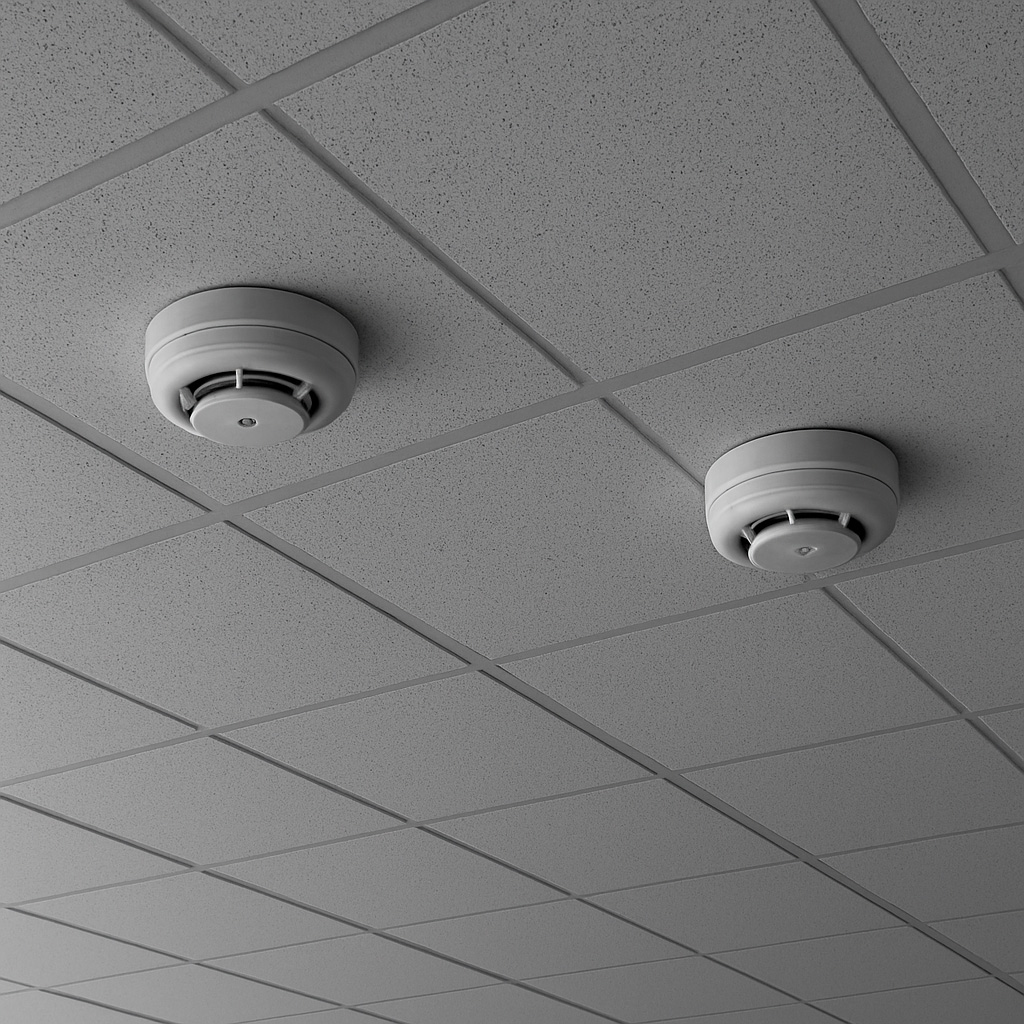
Plenum rated ceiling sensors comply with strict fire safety standards, ensuring that building designs meet legal requirements. This compliance is not only a regulatory necessity but also a critical factor in protecting the building's occupants and assets.
By providing accurate data for building automation systems, these sensors help optimize energy consumption. This leads to significant cost savings on energy bills and reduces the building's carbon footprint, contributing to environmental sustainability.
Monitoring air quality is another crucial function of plenum rated ceiling sensors. They help maintain optimal air conditions by detecting pollutants or changes in air composition. This ensures a healthier indoor environment for occupants, reducing the risk of health issues related to poor air quality.
When selecting plenum rated ceiling sensors, consider factors such as sensitivity, range, and compatibility with existing building systems. It's essential to choose sensors that can effectively cover the required area and integrate seamlessly with other building automation components.
Proper installation and regular maintenance are vital to ensure the effective operation of plenum rated ceiling sensors. Professional installation is recommended to avoid potential issues and to comply with safety regulations. Regular testing and maintenance are also necessary to ensure sensors remain functional and reliable over time.
The field of building automation is continually evolving, with advancements in sensor technology leading the way. Future trends may include more sophisticated sensors with enhanced capabilities, such as machine learning algorithms that can predict and respond to changes in building conditions.
Additionally, the integration of IoT (Internet of Things) technology will likely play a significant role, allowing for even more seamless communication between sensors and other building systems. This will enable smarter, more responsive building environments that prioritize both efficiency and safety.
Plenum rated ceiling sensors are indispensable components of modern building automation systems. They provide critical data that enhances safety, improves energy efficiency, and ensures compliance with safety standards. As technology continues to advance, these sensors will play an increasingly important role in creating smart, sustainable building environments. Whether you are a building manager, owner, or a facilities management professional, understanding the importance of these sensors is crucial for optimizing building operations and ensuring the safety and comfort of occupants.


)
)
)
)

+86 15899791249

+86 755 2955 3313


Address: Huafeng No.1 Science and Technology Park, Sanwei, Bao'an District, Shenzhen, Guangdong, China.
