

Time:2025-10-20
In the world of building infrastructure and safety, plenum rated ceiling sensors are gaining significant attention. These devices are not just pivotal for efficient energy management but also play a crucial role in maintaining building safety standards. Understanding the compliance certification requirements for these sensors is essential for anyone involved in building construction or maintenance. This article delves into what it means for a ceiling sensor to be plenum rated and the associated compliance certification requirements.
Plenum rated ceiling sensors are specifically designed to be installed in plenum spaces, which are the areas used for air circulation in heating and air conditioning systems. These spaces are often located between the structural ceiling and a drop-down ceiling. The significance of these sensors being plenum rated lies in their ability to adhere to safety standards that mitigate fire risks.
The importance of plenum ratings cannot be overstated. In the event of a fire, plenum spaces can act as conduits for smoke and flames. Therefore, any equipment installed in these areas needs to comply with stringent safety standards to prevent the spread of fire and ensure the safety of building occupants. Plenum rated devices are constructed using materials that emit lower levels of smoke and toxic fumes when exposed to high temperatures.
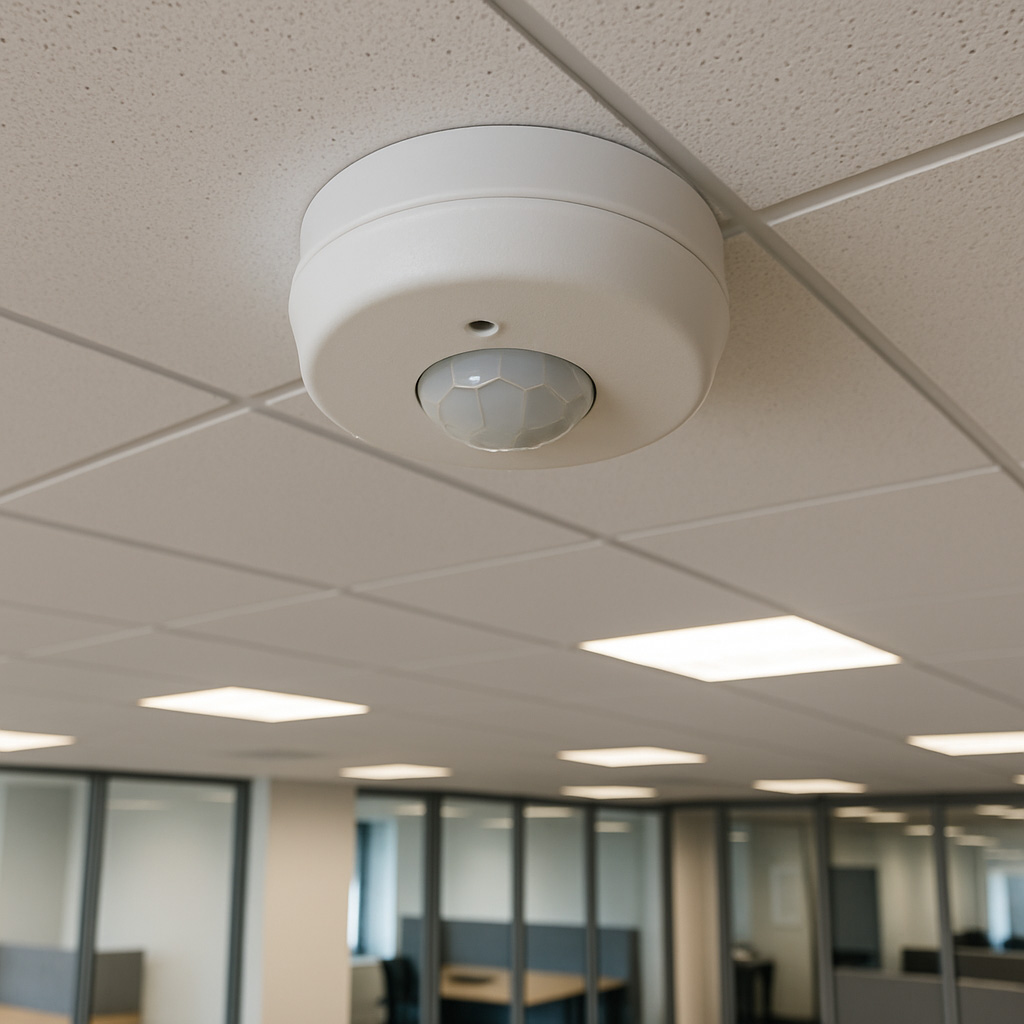
Understanding the compliance certification requirements for plenum rated ceiling sensors is crucial for building owners, contractors, and safety inspectors. These requirements ensure that the sensors are safe to use in plenum spaces and meet all necessary safety standards.
UL 2043 Certification: This is one of the primary standards for plenum rated devices. UL 2043 evaluates the fire and smoke characteristics of the materials used in the sensors. To achieve this certification, the sensors must undergo rigorous testing to ensure they produce minimal smoke and heat when exposed to fire.
National Electrical Code (NEC) Compliance: The NEC sets forth guidelines for the safe installation of electrical wiring and equipment. Compliance with the NEC ensures that plenum rated ceiling sensors are installed in a manner that reduces the risk of electrical fires and enhances the overall safety of the building.
Local Building Codes: In addition to national standards, local building codes may impose additional requirements. These codes can vary by locati0n, so it's essential to consult local regulations when installing plenum rated ceiling sensors.
The certification process for plenum rated ceiling sensors involves several steps:
Material Testing: The materials used in the construction of the sensors are tested for their fire resistance and smoke emission characteristics.
Performance Testing: The sensors are evaluated under various conditions to ensure they function correctly in plenum spaces.
Documentation and Submission: Manufacturers must document the results of the testing and submit them to certification bodies for review.
Certification Approval: Once the testing results are reviewed and approved, the sensors receive certification, indicating they meet the necessary safety standards.
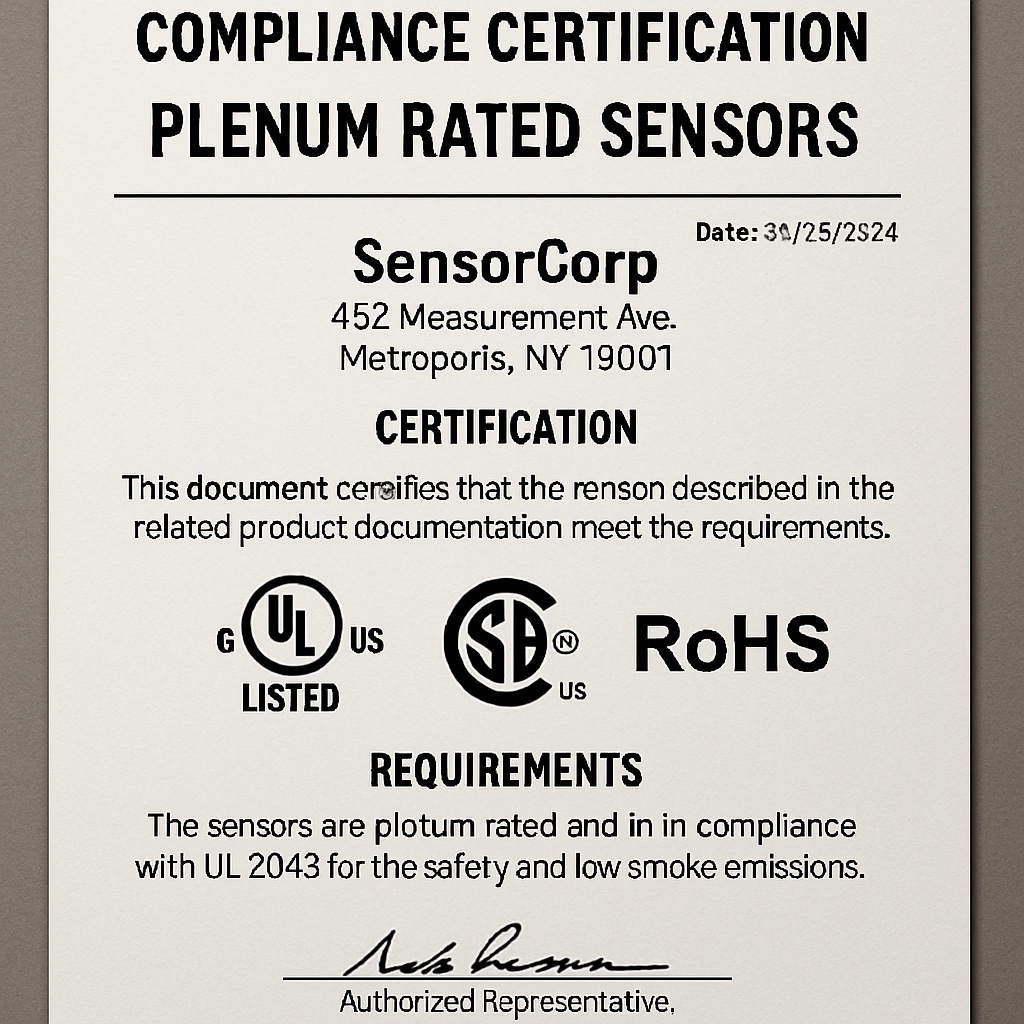
Using certified plenum rated ceiling sensors in your building offers numerous benefits:
Certified sensors ensure that the materials used are less likely to contribute to the spread of fire and smoke, thereby enhancing the safety of the building's occupants.
By using certified sensors, building owners and contractors can be confident that they are complying with all relevant safety regulations and standards. This compliance is crucial for avoiding legal issues and potential fines.
Plenum rated ceiling sensors often come equipped with advanced technology that helps optimize energy usage. This can lead to significant cost savings on energy bills over time.
When selecting plenum rated ceiling sensors for your building, consider the following factors:
Certification: Ensure that the sensors have the necessary certifications, such as UL 2043 and NEC compliance.
Compatibility: Check that the sensors are compatible with your building's existing HVAC and electrical systems.
Functionality: Consider the features offered by the sensors, such as motion detection, temperature monitoring, and integration with building management systems.
Cost: While cost is always a consideration, prioritize quality and certification over cheaper, uncertified options.
Incorporating plenum rated ceiling sensors into your building's infrastructure is a smart investment in safety and efficiency. By understanding the compliance certification requirements, you can ensure that your sensors meet the highest safety standards and provide peace of mind for building occupants. Always prioritize certified products to maintain compliance with safety regulations and optimize the performance of your building's systems.
Investing in certified plenum rated ceiling sensors is not just about compliance; it is about safeguarding lives and ensuring the efficient operation of your building. With the right knowledge and commitment to safety standards, you can make informed decisions that benefit everyone who uses your building.


)
)
)
)

+86 15899791249

+86 755 2955 3313


Address: Huafeng No.1 Science and Technology Park, Sanwei, Bao'an District, Shenzhen, Guangdong, China.
