

Time:2025-10-15
In today’s world of smart technology, ceiling occupancy sensors are becoming an essential component in both residential and commercial spaces. They provide energy efficiency by automatically controlling lights and other systems based on room occupancy. However, to ensure optimal performance, professional installation is crucial. This guide will walk you through the steps and considerations for installing ceiling occupancy sensors professionally.
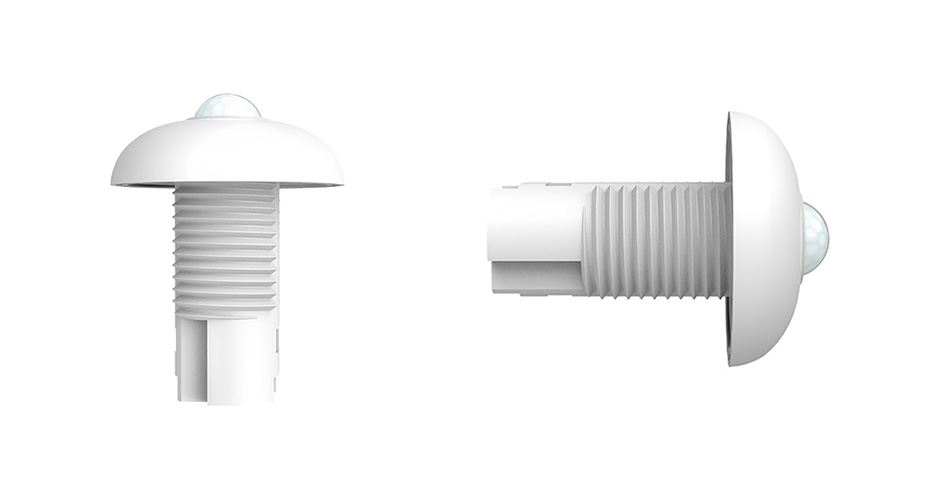
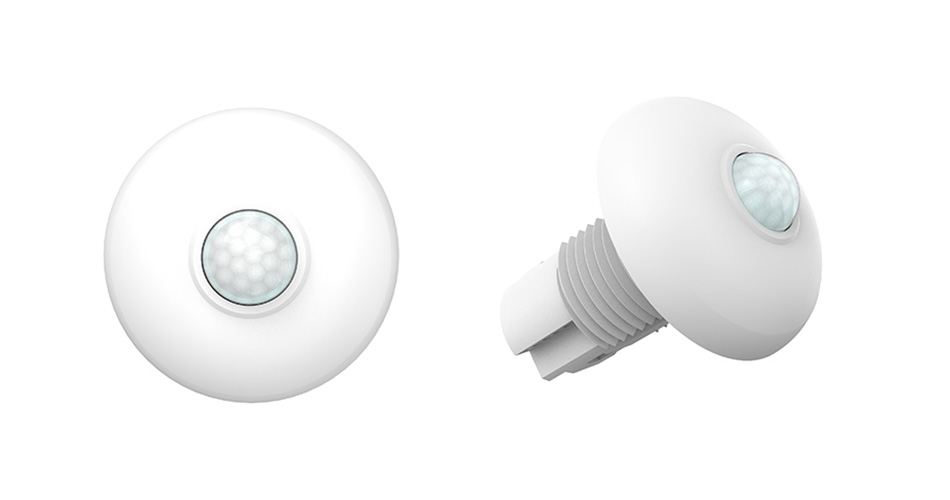
Before diving into the installation process, it’s essential to understand what a ceiling occupancy sensor is and how it works. These devices detect motion in a room and control the lighting or other systems based on the presence or absence of people. They use various technologies like infrared, ultrasonic, or dual-tech to detect motion.
Infrared Sensors (PIR): Detects motion through body heat. Best used in open spaces with a clear line of sight.
Ultrasonic Sensors: Uses sound waves to detect motion, making them suitable for spaces with obstacles.
Dual Technology Sensors: Combine both infrared and ultrasonic technologies for increased accuracy and reduced false positives.
Preparation is key to a successful installation. Here are the steps to prepare:
Ensure you have all the required tools and materials before starting. Common tools include:
Screwdrivers
Wire strippers
Voltage tester
Drill with appropriate bits
Plan the Sensor Placement
The effectiveness of the sensor largely depends on its placement. Consider the following:
Height and Angle: Mount the sensor at a height recommended by the manufacturer to cover the desired area effectively.
Coverage Area: Ensure the sensor’s coverage area matches the room’s dimensions. Avoid obstructions like large furniture or partitions.
Avoidance Zones: Keep the sensor away from heat sources, air vents, and windows to prevent false triggers.
Safety first! Ensure the power to the circuit where you will install the sensor is turned off. Use a voltage tester to confirm that the power is off.
Mark the Spot: Use a pencil to mark the spot on the ceiling where the sensor will be installed.
Drill Holes: Drill holes for the mounting screws as per the sensor’s mounting bracket.
Attach the Bracket: Secure the mounting bracket to the ceiling using screws.
Identify Wires
Hot Wire (Black): Carries the current.
Neutral Wire (White): Completes the circuit.
Ground Wire (Green/Bare): Safety wire.
Strip the Wires: Use wire strippers to strip the ends of the wires.
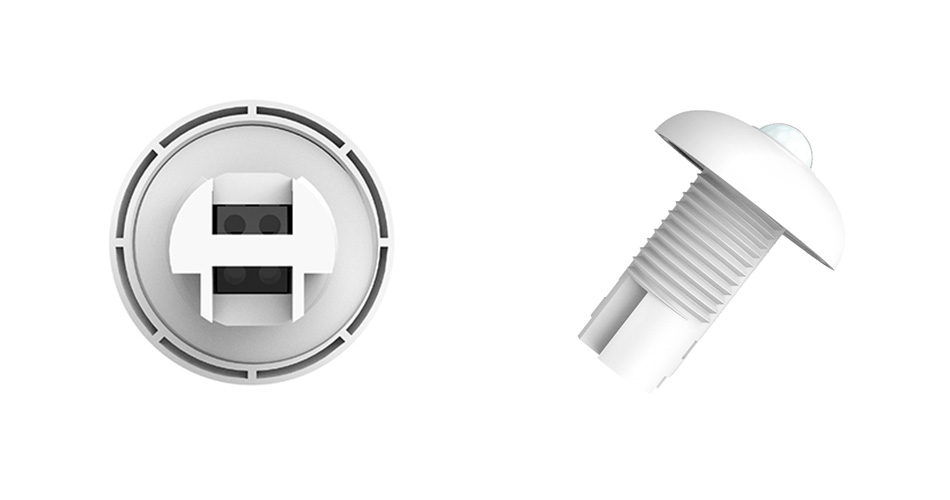
Connect Wires: Match the sensor’s wires with the ceiling wires:Connect the hot wire to the black wire of the sensor.Connect the neutral wire to the white wire of the sensor.Connect the ground wire to the green/bare wire of the sensor.
Secure Connections: Twist the wires together and secure them with wire nuts. Ensure there are no exposed wires.
Once the wiring is complete, turn the power back on and test the sensor. Walk in and out of the sensor’s coverage area to ensure it detects motion and controls the lighting as expected. If adjustments are needed, refer to the manufacturer’s guidelines.
Even with careful installation, you may encounter issues. Here’s how to address some common problems:
False Triggers
If the sensor activates without any motion, check for:
Air Drafts: Ensure the sensor is not near air vents.
Heat Sources: Relocate the sensor away from heat-emitting devices.
Sensor Not Activating
If the sensor does not activate:
Check Wiring: Ensure all connections are secure and correct.
Adjust Sensitivity: Increase the sensitivity setting if the sensor is not detecting motion.
Limited Coverage
If the sensor’s coverage is inadequate:
Reposition the Sensor: Move the sensor to a more central locati0n in the room.
Check Obstructions: Remove any obstructions blocking the sensor’s view.
To maintain the sensor's efficiency, perform regular maintenance:
Clean the Sensor: Dust and dirt can affect the sensor’s performance. Clean it periodically with a soft cloth.
Test Regularly: Regularly test the sensor to ensure it’s functioning correctly.
Update Settings: As room usage changes, update the sensor’s settings to match new requirements.
Opting for professional installation offers several advantages:
Expertise: Professionals have the knowledge to handle complex installations and troubleshoot issues effectively.
Safety: Ensures the installation is safe and complies with electrical codes.
Warranty: Professional installations often come with warranties for added peace of mind.
Ceiling occupancy sensors are a smart investment for energy efficiency and convenience. Whether you choose to install them yourself or hire a professional, following these guidelines will ensure a successful installation. With proper placement and maintenance, your ceiling occupancy sensors will provide reliable service for years to come.
By understanding the key aspects and following the detailed installation process, you can enhance the functionality of your spaces with confidence. Remember, when in doubt, consulting with a professional can save time and prevent potential hazards.


)
)
)
)

+86 15899791249

+86 755 2955 3313


Address: Huafeng No.1 Science and Technology Park, Sanwei, Bao'an District, Shenzhen, Guangdong, China.
