

Time:2025-10-16
In the world of modern architecture and smart homes, the integration of sensors into ceilings is becoming increasingly popular. Recessed ceiling sensor mounting brackets are essential components in this setup, ensuring that sensors are securely and aesthetically installed. This article will guide you through the specifications, benefits, and installation process of recessed ceiling sensor mounting brackets.
A recessed ceiling sensor mounting bracket is a specialized piece of hardware designed to hold sensors flush against the ceiling. This installation not only maintains the sleek appearance of the ceiling but also optimizes the sensor's functionality by positioning it at an ideal vantage point.
When selecting a recessed ceiling sensor mounting bracket, consider the following features to ensure optimal performance:
Material: Most brackets are made from durable materials like metal or high-grade plastic, ensuring longevity and stability.
Size and Compatibility: The bracket should be compatible with the sensor's size and weight. Check the manufacturer's specifications for compatibility details.
Ease of Installation: Look for brackets that offer straightforward installation, with minimal tools required.
Adjustability: Some brackets offer adjustable settings, allowing you to fine-tune the sensor's position for optimal coverage.
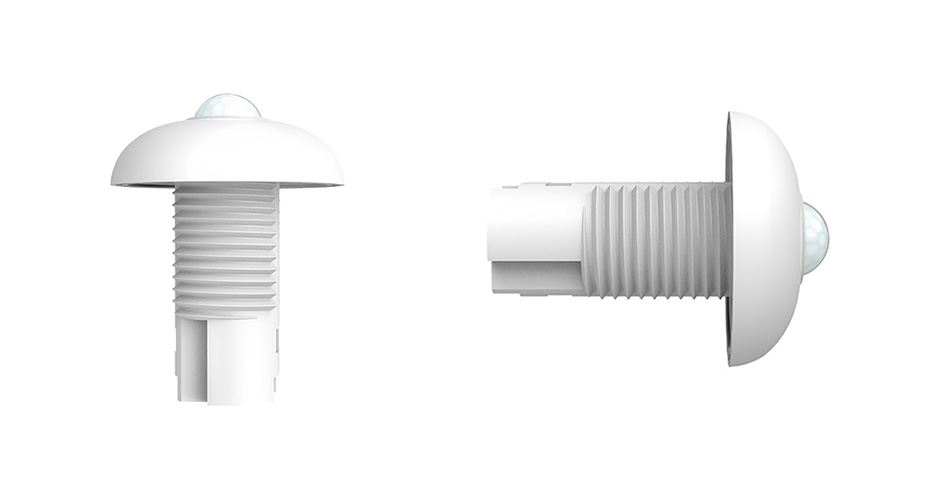
The use of recessed light sensor mounting brackets offers several advantages that make them a preferred choice for both residential and commercial installations:
Recessed mounting brackets ensure that sensors are installed flush with the ceiling, creating a clean and unobtrusive appearance. This design is particularly desirable in modern spaces where sleek lines and minimalism are prioritized.
Positioning sensors at the ceiling level can significantly improve their performance. Whether it's a motion sensor, smoke detector, or temperature sensor, having a clear, unobstructed view enhances its ability to detect changes in the environment accurately.
By housing sensors within the ceiling, these brackets offer an added layer of protection against physical damage and environmental factors such as dust and moisture. This protection can extend the sensor's lifespan and maintain its performance over time.
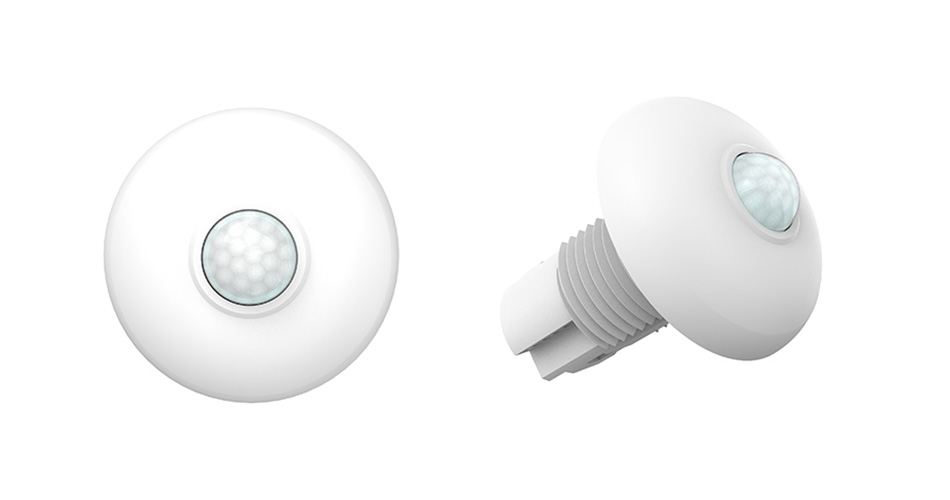
Understanding the specifications of these brackets is crucial for selecting the right one for your needs. Here are some standard specifications to consider:
Material: Typically made of robust materials like stainless steel, aluminum, or ABS plastic.
Finish: Available in various finishes to match ceiling decor, such as white, black, or metallic coatings.
Diameter: Common diameters range from 3 to 6 inches, accommodating most standard sensors.
Depth: Varies depending on the sensor type but generally ranges from 1 to 3 inches.
Weight Limit: Ensure the bracket can support the sensor's weight, typically up to a few pounds.
Sensor Types: Designed to fit various sensor types, including motion detectors, smoke alarms, and light sensors.
Ceiling Types: Suitable for installation in drywall, plaster, or drop ceilings.
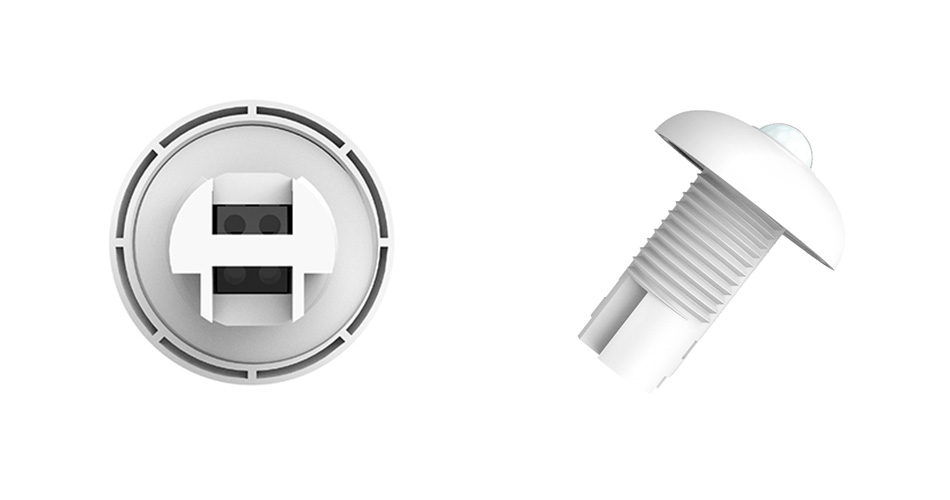
Installing a recessed ceiling sensor mounting bracket can be a straightforward process if you follow these steps:
Before starting, ensure you have the necessary tools on hand. Common tools include a drill, screwdriver, measuring tape, and a pencil for marking.
Identify the locati0n on the ceiling where the sensor will be installed. Use the measuring tape and pencil to mark the area. Ensure there are no obstructions above the ceiling, such as electrical wires or pipes.
Using a hole saw or a drywall saw, carefully cut an opening in the ceiling according to the bracket's dimensions. Ensure the cut is clean and precise to avoid any gaps or irregularities.
Insert the bracket into the cutout and secure it in place using the provided screws. Make sure the bracket is flush with the ceiling surface.
Connect the sensor to the bracket, following the manufacturer's instructions. Ensure all connections are secure and that the sensor is properly aligned.
Once installed, test the sensor to ensure it functions correctly. Adjust the sensor's position if necessary to optimize its performance.
Recessed ceiling sensor mounting brackets are a vital component in creating a seamless, functional, and aesthetically pleasing sensor installation. By understanding their specifications and installation process, you can make informed decisions that enhance both the performance and appearance of your sensor systems. Whether for home automation or commercial use, these brackets provide a reliable solution for integrating sensors into any ceiling design.


)
)
)
)

+86 15899791249

+86 755 2955 3313


Address: Huafeng No.1 Science and Technology Park, Sanwei, Bao'an District, Shenzhen, Guangdong, China.
