

Time:2025-10-16
In today's world, integrating smart technology into our homes and businesses is more important than ever. Recessed ceiling sensors offer a sleek and efficient solution for monitoring various aspects of indoor environments, such as lighting, temperature, and occupancy. However, proper installation and compliance with regulations are crucial to ensure their optimal performance and safety. This article will guide you through the compliance requirements and best practices for installing recessed ceiling sensors.
Before diving into installation compliance, let's explore what recessed ceiling sensors are and why they're used. These sensors are installed flush with the ceiling surface, making them less obtrusive and more aesthetically pleasing than surface-mounted alternatives. They can detect motion, light levels, temperature, and more, allowing for automated control of lighting, HVAC systems, and security features.
Aesthetics: Their unobtrusive design maintains the clean lines of a ceiling.
Functionality: They provide reliable data for automated systems.
Energy Efficiency: By detecting occupancy and light levels, they help reduce energy consumption.
Security: Motion sensors can enhance security systems by alerting you to unauthorized movement.
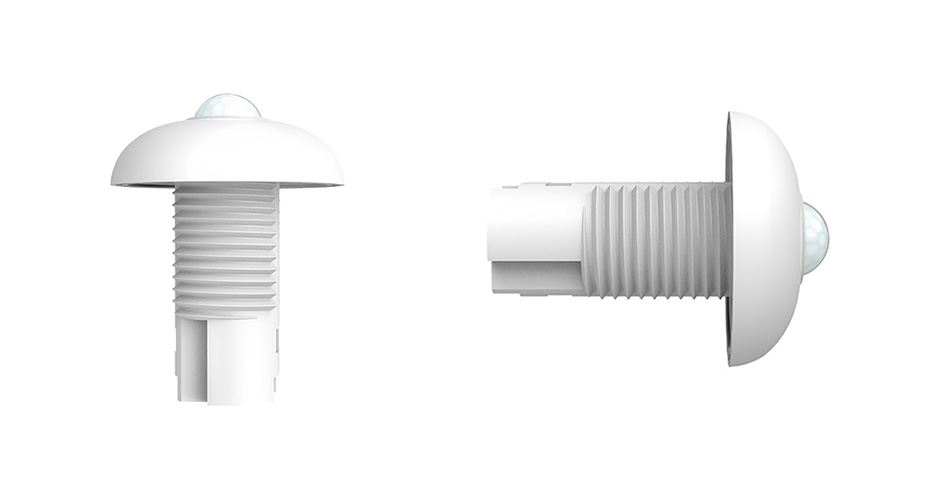
Installing recessed ceiling sensors requires adherence to several compliance requirements to ensure safety, functionality, and adherence to local building codes. Here are some key considerations:
One of the primary concerns during installation is compliance with local electrical codes. These regulations are designed to ensure safety and prevent electrical hazards. It's important to consult with a certified electrician who understands these codes and can ensure that your installation meets all necessary standards.
Fire safety is another critical area of compliance. Recessed ceiling sensors must not interfere with the ceiling's fire rating. Installations should be done in a way that maintains the integrity of fire-rated ceilings. This often involves using fire-rated enclosures or housings designed for recessed installations.
When installing sensors that monitor temperature or air quality, it's essential to consider the HVAC system's layout. Ensure that sensor placement does not obstruct airflow or interfere with the operation of vents and ducts. Proper placement will ensure accurate readings and optimal system performance.
Recessed ceiling sensors should be installed in a manner that allows for easy access and maintenance. This consideration is crucial for performing regular checks, cleaning, and replacing components if necessary. Ensure that installation does not hinder future access to the sensors.
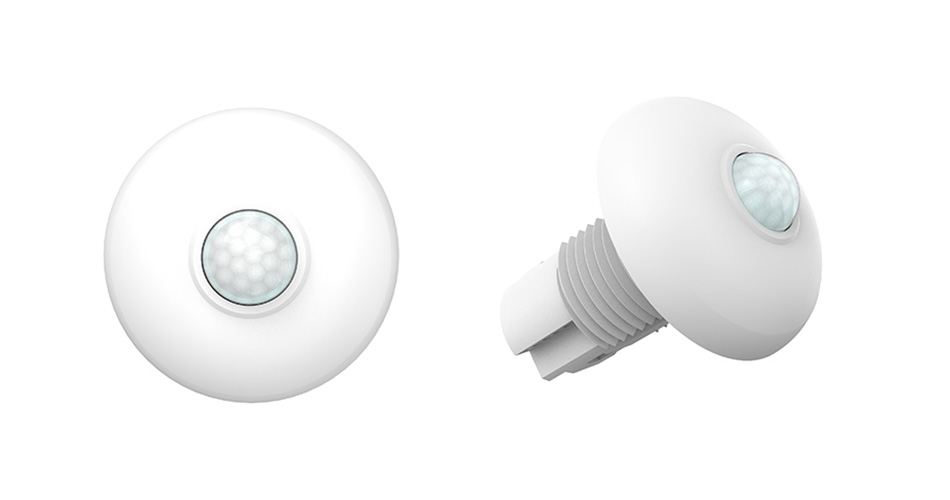
Following best practices during installation not only ensures compliance but also enhances the performance and lifespan of recessed ceiling sensors.
The placement of sensors is vital for their effective operation. Consider the following:
Coverage Area: Ensure that the sensor covers the desired area without obstructions.
Height and Angle: Install sensors at an appropriate height and angle to optimize their detection capabilities.
Environmental Factors: Be mindful of environmental factors such as lighting conditions and airflow that may affect sensor performance.
Proper wiring is essential for the safe and reliable operation of recessed ceiling sensors. Follow these guidelines:
Use Appropriate Cables: Utilize cables that are rated for in-ceiling use and comply with local electrical codes.
Secure Connections: Ensure all electrical connections are secure and protected from potential damage.
Testing: Test all connections thoroughly to verify that sensors are functioning correctly.
Recessed ceiling sensors often work in conjunction with smart home or building automation systems. Consider the following for seamless integration:
Compatibility: Verify that the sensors are compatible with your existing automation system.
Configuration: Properly configure sensors within the system to ensure accurate data collection and automation triggers.
Updates: Keep firmware and software up to date to benefit from improvements and new features.
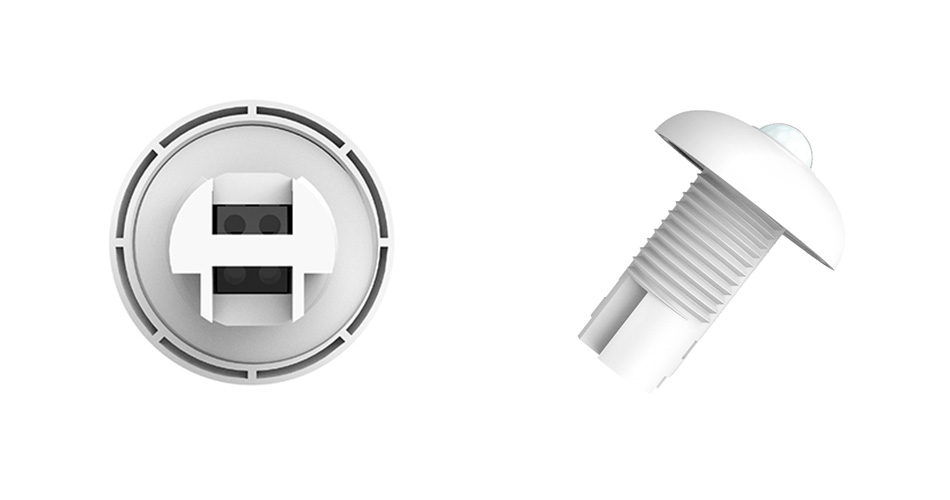
Installing recessed ceiling sensors comes with its own set of challenges. Here are some common issues and their solutions:
Problem: Physical obstructions can hinder sensor performance.
Solution: Carefully plan sensor placement to avoid obstructions and test coverage before final installation.
Problem: Sensors may produce false alarms or inaccurate readings due to environmental factors.
Solution: Adjust sensor sensitivity settings and ensure proper calibration to minimize false positives.
Problem: Difficulty integrating sensors with existing systems.
Solution: Consult with a professional to ensure compatibility and proper configuration within your automation system.
Recessed ceiling sensors offer numerous benefits for modern homes and businesses, enhancing efficiency, security, and convenience. However, their successful installation hinges on compliance with local regulations and adherence to best practices. By following the guidelines outlined in this article, you can ensure that your recessed ceiling sensor installation is safe, effective, and fully compliant.
Whether you're a homeowner looking to upgrade your smart home capabilities or a business owner aiming to optimize building operations, understanding and implementing these compliance requirements is essential for a successful installation.


)
)
)
)

+86 15899791249

+86 755 2955 3313


Address: Huafeng No.1 Science and Technology Park, Sanwei, Bao'an District, Shenzhen, Guangdong, China.
