

Time:2025-10-16
In modern smart homes and commercial spaces, sensors play a critical role in optimizing energy efficiency and enhancing security. One of the sleekest ways to integrate these sensors is through recessed ceiling sensor mounting. This technique not only provides a clean and aesthetically pleasing look but also maintains the functionality and sensitivity of the sensors. In this article, we will explore the essentials of recessed ceiling sensor mounting, including the benefits, techniques, and best practices.
Recessed ceiling sensor mounting involves embedding sensors within the ceiling, so they sit flush with the surface. This method is commonly used for motion detectors, smoke alarms, and occupancy sensors. By mounting these devices in the ceiling, you maintain the room's decor while ensuring the sensors are unobtrusive.
Aesthetic Appeal: Recessed sensors blend seamlessly into the ceiling, providing a clean and modern look without protruding devices that can detract from the room's design.
Enhanced Coverage: Ceiling-mounted sensors often have a broader field of detection, allowing them to cover larger areas compared to wall-mounted alternatives.
Protection: By embedding sensors in the ceiling, they are less prone to tampering, damage, or accidental disconnection.
Optimal Functionality: Recessed mounting helps maintain the sensor's sensitivity and performance by positioning it in an optimal spot for detection.
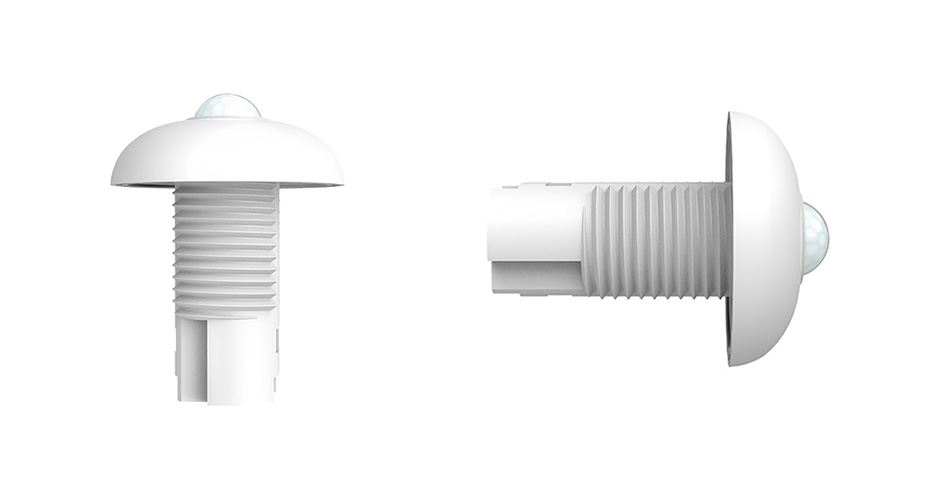
To successfully mount a sensor in your ceiling, you'll need a few essential tools and materials. Here's a quick list to get you started:
A suitable recessed sensor
A drywall saw or hole cutter
Measuring tape
A stud finder
Screwdriver
Wire connectors
Safety goggles and gloves
Before you start cutting holes in your ceiling, it's crucial to plan out your installation. Use a stud finder to locate ceiling joists and make sure your chosen sensor locati0n is free from obstructions like pipes or electrical wires.
Tip: The center of the room typically provides the best coverage for most sensors, but consider your specific sensor's detection range and angle.
Once you've marked the locati0n for your sensor, use a drywall saw or hole cutter to create an opening. Ensure the hole is the appropriate size for your sensor, as a too-large opening can cause mounting issues, while a too-small hole might not fit the sensor.
With the hole prepared, carefully pull the necessary wires through the opening. Connect the wires to the sensor using wire connectors, following the manufacturer's instructions. If you're unsure about handling electrical connections, it's always best to consult with a professional electrician.
Position the sensor into the opening and secure it in place using the provided screws or mounting brackets. Ensure the sensor is flush with the ceiling surface for the best aesthetic and functional result.
Once the sensor is securely mounted, it's time to test it. Power up the sensor and ensure it operates as expected. Check the sensor's detection range and adjust its settings if necessary to optimize performance.
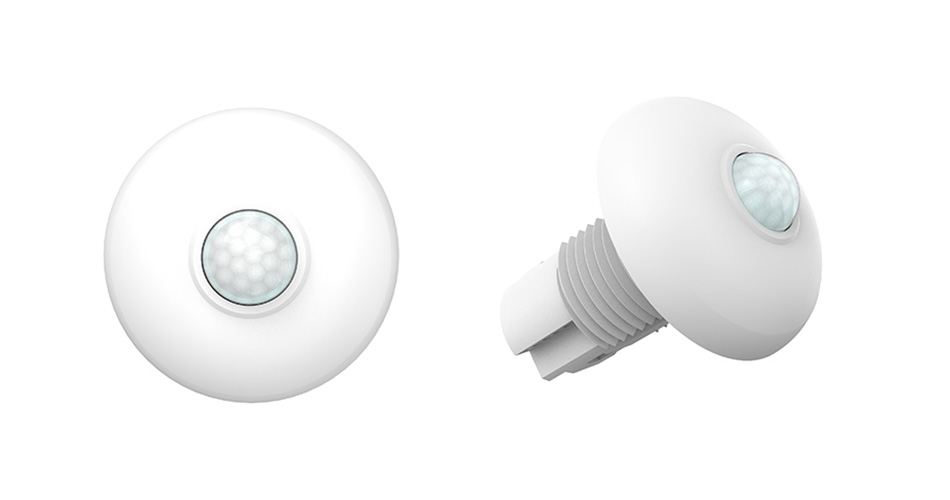
Selecting the appropriate sensor for your space is crucial. Consider the specific needs of the area, such as the level of activity, lighting conditions, and potential interferences that might affect sensor performance.
While recessed sensors are more discreet, they can also be harder to access for maintenance. Opt for sensors with long-lasting components or those that allow for remote monitoring and updates to reduce the need for frequent physical access.
Working with ceiling installations involves some risks. Always prioritize safety by using proper equipment, wearing protective gear, and ensuring the power is turned off when handling electrical connections.
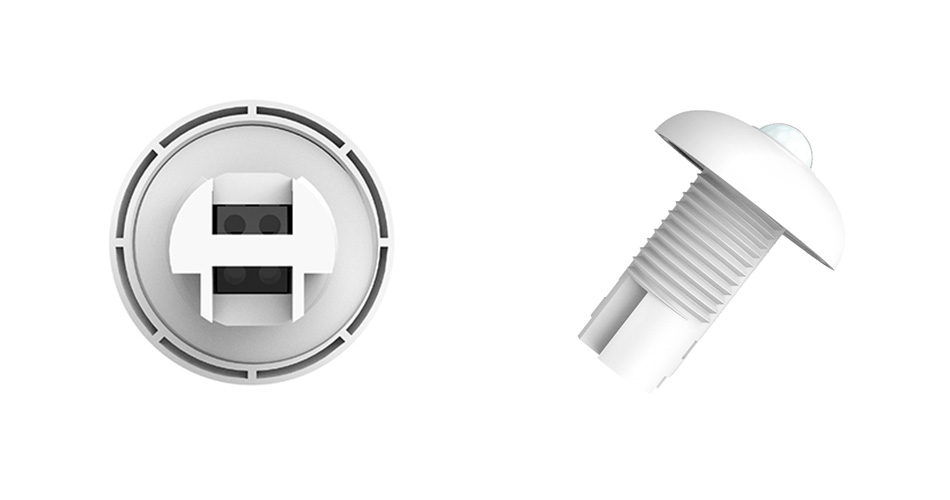
Recessed ceiling sensor mounting offers a sophisticated solution for integrating sensors into your space. By following the right techniques and ensuring thoughtful planning, you can enhance the functionality and aesthetics of your home or office environment. Whether you're a DIY enthusiast or prefer professional installation, understanding the process and benefits of recessed ceiling sensor mounting will help you make informed decisions for your smart space.
Remember, while the installation process can be straightforward, consulting a professional for electrical tasks ensures safety and compliance with local codes. With these tips and techniques, you'll be well on your way to achieving an efficient and visually pleasing sensor setup.


)
)
)
)

+86 15899791249

+86 755 2955 3313


Address: Huafeng No.1 Science and Technology Park, Sanwei, Bao'an District, Shenzhen, Guangdong, China.
