

Time:2025-12-02
As commercial buildings increasingly embrace sustainable and flexible lighting solutions, self powered wireless lighting control has emerged as a cornerstone of modern facility management. Beyond its core benefits of energy efficiency and easy deployment, the value of these systems is significantly amplified by credible certifications. Self powered wireless lighting control certifications serve as a benchmark for quality, reliability, and compliance, helping businesses make informed decisions while ensuring their lighting solutions meet global industry standards. In a market saturated with options, these certifications have become an indispensable tool for distinguishing superior products from subpar alternatives.
Certifications for self powered wireless lighting control systems are more than just labels—they are a testament to rigorous testing and adherence to strict industry criteria. For commercial property owners, facility managers, and procurement teams, these certifications mitigate risk by verifying that a product performs as advertised, operates safely, and aligns with sustainability goals. Unlike traditional wired lighting or battery-powered wireless systems, self powered solutions rely on ambient energy (such as motion, light, or vibration) to function, making certifications particularly important to validate their power efficiency and long-term reliability.
One of the key reasons certifications matter is regulatory compliance. Many regions, including North America, Europe, and parts of Asia, have established energy efficiency mandates and safety standards for commercial lighting. Self powered wireless lighting control certifications ensure that products meet these requirements, helping businesses avoid fines and legal complications. Additionally, certifications streamline the procurement process: when evaluating multiple vendors, decision-makers can quickly prioritize certified products, reducing the time and resources spent on vetting unproven solutions.
For end-users, certifications also translate to tangible operational benefits. Certified systems are more likely to deliver consistent performance, require less maintenance, and integrate seamlessly with existing smart building ecosystems. This reliability is crucial in high-stakes commercial environments—from hospitals and schools to warehouses and office complexes—where lighting disruptions can impact safety, productivity, or user experience. Moreover, certified products often come with better warranty support and technical assistance, providing peace of mind for businesses investing in long-term lighting solutions.
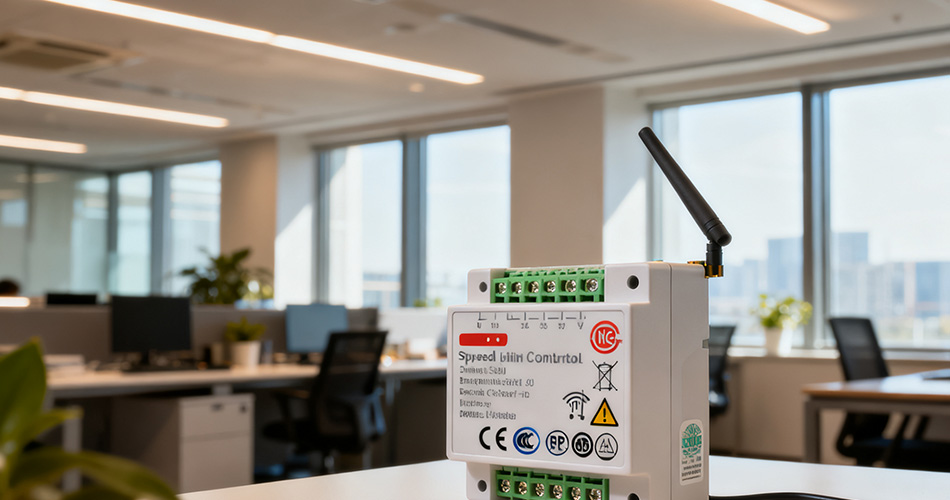
Several prominent certifications dominate the landscape of self powered wireless lighting control, each focusing on distinct aspects of performance and compliance. Understanding these certifications helps businesses align their needs with the right products.
DLC (DesignLights Consortium) certification is a leading standard in North America, recognized for its emphasis on energy efficiency and performance. DLC-certified self powered wireless lighting control systems undergo rigorous testing to demonstrate their ability to reduce energy consumption without compromising functionality. For commercial buildings aiming to achieve LEED certification or meet local energy codes, DLC approval is often a prerequisite, as it validates the system’s contribution to sustainability goals.
NLC (National Lighting Certification) is another critical certification, particularly valued for its comprehensive evaluation of both indoor and outdoor lighting solutions. For self powered wireless systems designed for versatile commercial use—from underground garages to basketball courts—NLC certification confirms that the product can withstand varying environmental conditions while maintaining optimal performance. As a globally recognized standard, NLC also facilitates market access for manufacturers, making it easier for businesses to source products that meet international benchmarks.
In Europe, CE marking is a mandatory certification for self powered wireless lighting control systems, ensuring compliance with health, safety, and environmental protection directives. CE-certified products are tested for electromagnetic compatibility (EMC) and radio frequency safety, critical for wireless systems operating in dense commercial environments. This certification is essential for businesses operating across European markets, as it signifies that the product meets pan-European standards.
Other region-specific certifications, such as Australia’s GEMS (Greenhouse and Energy Minimum Standards) and Japan’s JIS (Japanese Industrial Standards), further refine the criteria for self powered wireless lighting control systems, addressing local environmental and operational needs. Together, these certifications create a global framework that elevates the quality and consistency of the industry.
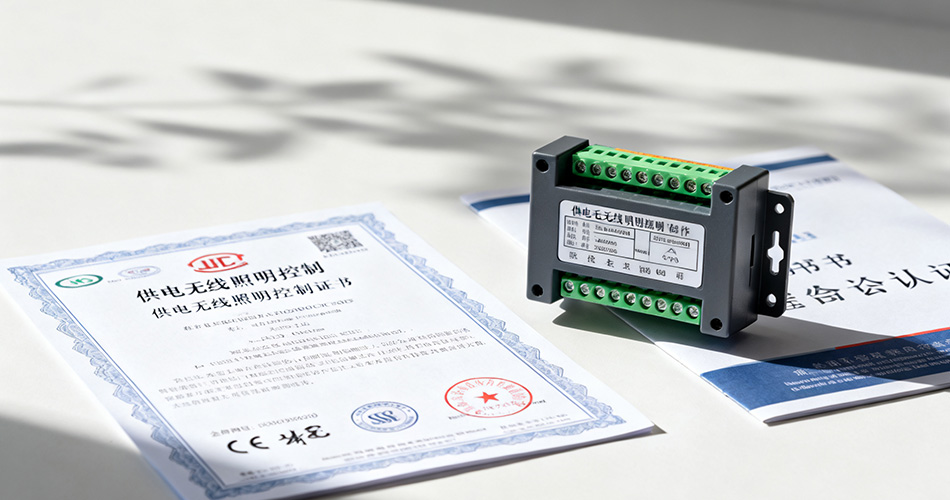
Self powered wireless lighting control certifications deliver measurable value across a wide range of commercial settings, adapting to the unique requirements of each environment.
In office buildings and schools, where user comfort and energy efficiency are top priorities, certified systems ensure that lighting adjusts seamlessly to occupancy and natural light levels. DLC or NLC-certified controls provide consistent dimming and on/off functionality, reducing energy waste while creating a productive environment for employees and students. Certifications also validate that these systems operate quietly and reliably, avoiding disruptions in noise-sensitive spaces like classrooms or meeting rooms.
Hospitals and healthcare facilities demand the highest levels of safety and reliability, making certifications non-negotiable. Certified self powered wireless lighting control systems are tested to meet strict safety standards, ensuring they do not interfere with medical equipment or pose electrical hazards. Additionally, their self-powered design eliminates the need for battery replacements, reducing the risk of contamination in sterile environments and lowering maintenance costs for busy healthcare teams.
Warehouses and industrial facilities benefit from certifications that confirm durability and performance in harsh conditions. NLC-certified outdoor systems can withstand temperature fluctuations, moisture, and dust, while maintaining reliable wireless connectivity across large spaces. Certified controls also support energy management initiatives in industrial settings, where lighting accounts for a significant portion of energy usage—helping businesses reduce operational costs and meet sustainability targets.
Even in specialized spaces like canteens, sports facilities, or retail stores, certifications ensure that self powered wireless lighting control systems deliver on their promises. For example, in retail environments, certified controls can adapt lighting to highlight merchandise while minimizing energy use, and in sports facilities, they can adjust to occupancy and activity levels without manual intervention—all while adhering to safety and performance standards.
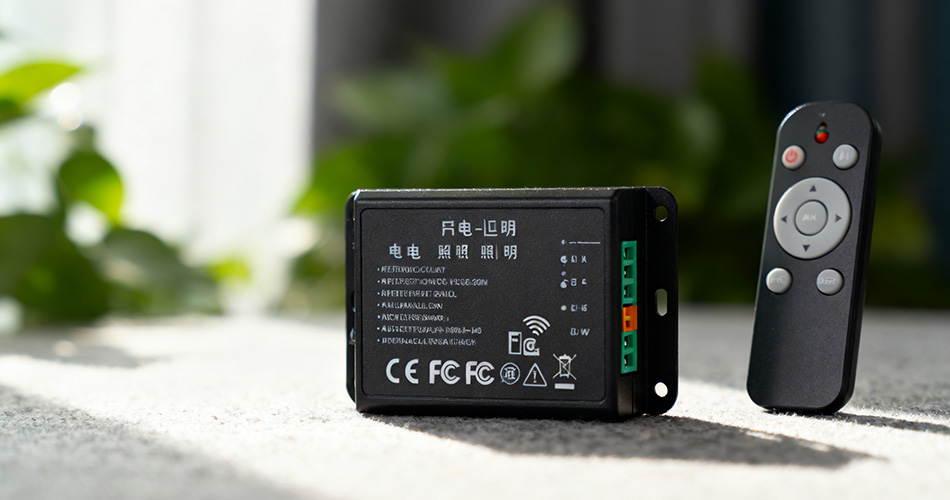
As the demand for smart, sustainable lighting grows, self powered wireless lighting control certifications are evolving to address emerging trends and technologies. Future certifications are likely to place greater emphasis on interoperability, ensuring that self powered systems can seamlessly integrate with AI-driven building management platforms, 5G gateways, and other IoT devices. This focus on connectivity will enable more holistic smart building solutions, where lighting works in tandem with heating, ventilation, and security systems to optimize efficiency.
Sustainability will also remain a key focus, with certifications incorporating stricter criteria for materials, manufacturing processes, and end-of-life disposal. As businesses increasingly prioritize circular economy principles, certified self powered wireless lighting control systems will be designed to minimize environmental impact throughout their lifecycle—from production to decommissioning.
Furthermore, as global markets become more interconnected, there may be a shift toward harmonized certification standards, reducing redundancy and making it easier for manufacturers to sell their products internationally. This harmonization will benefit businesses by simplifying the procurement process and ensuring consistency across global operations.
In conclusion, self powered wireless lighting control certifications are a vital component of the modern commercial lighting ecosystem. They provide assurance of quality, compliance, and performance, helping businesses navigate the complex market and invest in solutions that deliver long-term value. Whether for regulatory compliance, sustainability goals, or operational reliability, these certifications are essential for any business looking to adopt self powered wireless lighting control. As the industry continues to innovate, certifications will remain at the forefront, guiding businesses toward smarter, more sustainable, and more reliable lighting solutions.


)
)
)
)

+86 15899791249

+86 755 2955 3313


Address: Huafeng No.1 Science and Technology Park, Sanwei, Bao'an District, Shenzhen, Guangdong, China.
