

Time:2026-05-22
The commercial building landscape is moving fast. In 2026, building owners are no longer installing isolated, standalone lighting fixtures. Instead, they are demanding secure, data-rich iot lighting control infrastructures.
At the center of this wireless revolution is Silvair. They are a world leader in Bluetooth Mesh firmware solutions. For system integrators and electrical contractors, the success of a modern project depends on hardware interoperability. Finding a verified silvair compatible sensor list is the first critical step. It ensures that your sensors, switches, and luminaires talk to each other without error.
By choosing qualified, certified hardware, project teams can avoid common software communication errors. This smart approach ensures compliance with global energy codes. It also lowers field labor costs during the installation phase.
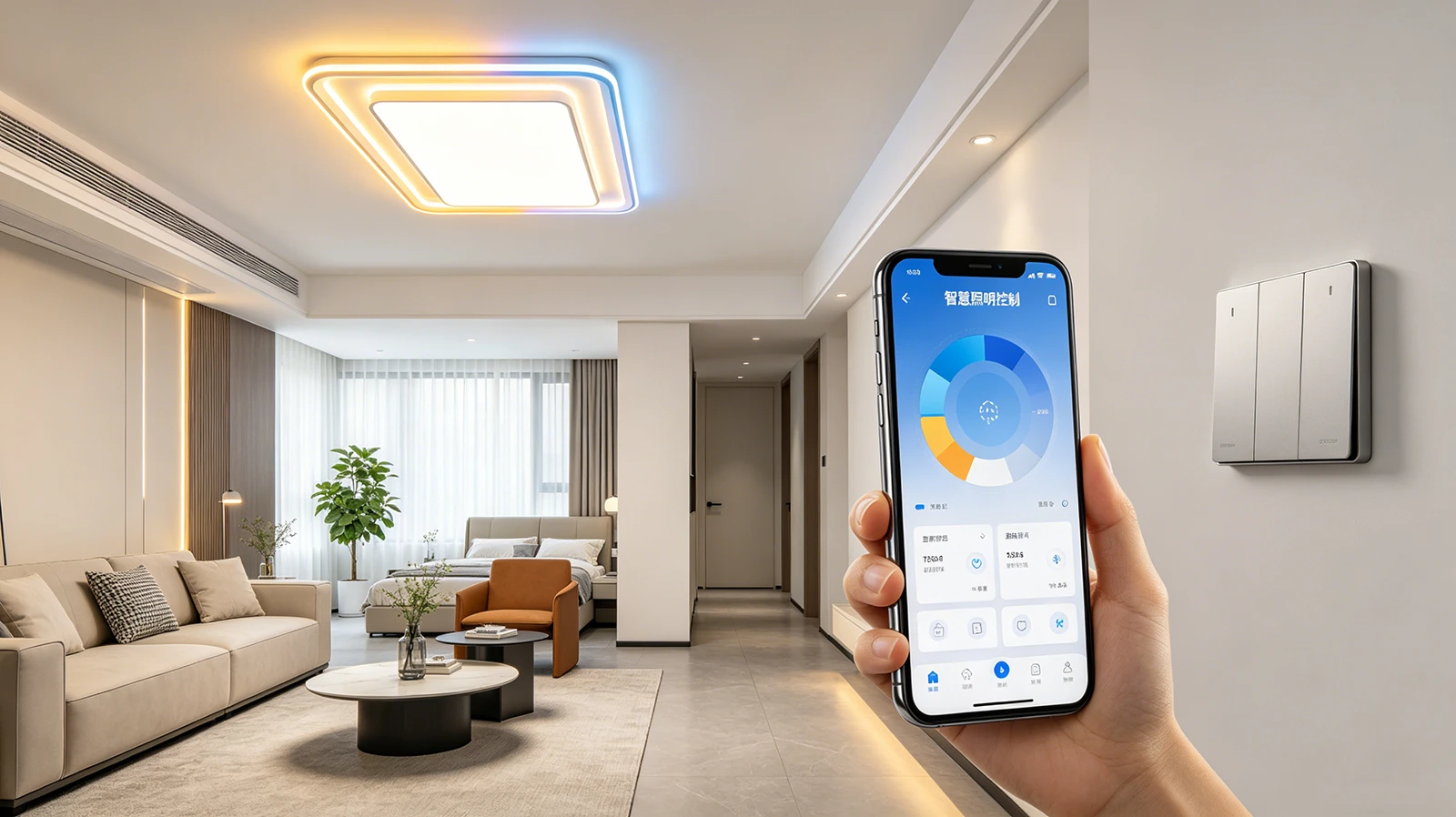
When you deploy a wireless lighting control system, you cannot guess on hardware compatibility. The Silvair ecosystem relies on strict Bluetooth Mesh standards. This protocol allows devices from different manufacturers to form a unified, self-healing network web.
However, if a sensor does not carry official Silvair firmware, it is a risk. Unverified hardware may fail to communicate with the central controller. This failure creates "dirty data" within the network. As a result, you get delayed response times or completely missed motion triggers.
A verified silvair compatible sensor list guarantees that the devices have passed rigorous testing. These units are proven to have excellent RF stability, fast data transmission, and tight security.
For an energy manager, this certification removes the risk of vendor lock-in. You can mix and match high-quality fixtures from one brand with specialized sensors from another. You can be confident that they will sync instantly during the setup phase.
Commercial properties require different types of environmental sensors to maximize energy savings. Certified Silvair-enabled hardware generally falls into three major functional categories.
PIR sensors track human presence by measuring changes in infrared heat signatures. In large logistics hubs or high-bay warehouses, these sensors are vital.
They ensure that high-output LED fixtures only ramp up to 100% brightness when a worker or forklift enters an aisle. The rest of the time, the lights stay at a low, energy-saving standby dim level.
Daylight harvesting sensors continuously measure ambient natural light entering through windows or skylights. The sensor feeds this data to the smart lighting system in real-time.
If natural sunlight is bright, the central controller dims the artificial LED fixtures automatically. This maintains a steady, comfortable lighting level for workers while cutting power usage dramatically.
Modern commercial spaces often use combined multi-sensors. These advanced smart devices house both a PIR motion element and a daylight photosensor inside a single physical casing. This dual-purpose design cuts hardware purchasing costs. It also reduces the total installation footprint on the ceiling.
Historically, setting up a commercial lighting control system required deep IT programming knowledge. It also meant running miles of costly low-voltage communication wiring. Wireless Bluetooth Mesh technology completely eliminates this overhead.
| Project Lifecycle Variable | Traditional Wired Control | Certified Silvair Wireless Mesh |
| Wiring Infrastructure | Heavy copper lines + dedicated conduit | Local constant line power only |
| Physical Tooling | Screwdrivers, ladders, manual wire strippers | Smartphone, tablet, or mobile app |
| Configuring Zones | Hardwired (Permanent manual layouts) | Software-defined (Instant group updates) |
| Hardware Testing | Manual physical tracing per node | Automated digital reporting via cloud |
By using official ble commissioning tools, an installer can discover every device on the floor in seconds. You do not need to climb ladders to change settings. You also do not need to open plastic sensor housings.
Through specialized platforms like lumieasy tools, technicians can adjust settings wirelessly right from the floor. This simplified workflow protects installation budgets from costly field delays.

When tracking the return on investment (ROI) of a commercial lighting retrofit, asset managers often look only at the electric utility bill. However, reducing ongoing maintenance labor provides massive financial savings over the lifetime of the property.
Consider a sensor that fails 30 feet up in the rafters of a manufacturing plant or warehouse. The cost of buying a cheap replacement part is tiny. The real expense comes from renting specialized scissor lifts. You must also pause active production lines for safety and pay premium technician labor rates.
By sourcing ruggedized components from a trusted silvair compatible sensor list, you minimize these component failures. If a setting needs a change later, a technician can handle the lighting sensor sensitivity adjustment via software. This approach entirely avoids the need for heavy machinery or ladders.
Enterprise IT directors are deeply protective of corporate networks, and for good reason. Introducing unverified IoT hardware onto a corporate campus can create dangerous security vulnerabilities.
Official Silvair-compatible hardware utilizes advanced AES-128 encryption keys. During the bluetooth mesh commissioning phase, the system generates secure, unique cryptographic tokens for each zone.
This process ensures that unauthorized users cannot tap into the lighting grid. It also stops people from disrupting building operations. For a modern corporate facility, this enterprise-grade security satisfies tough IT protocols while keeping building data perfectly private.
As energy regulations evolve, properties must adopt verified nlc certified lighting standards. This compliance is necessary to qualify for valuable utility rebates. A certified wireless infrastructure does more than just switch lights on and off. It transforms your building grid into an intelligent data pipeline.
By linking your certified sensor mesh to an iot lighting control cloud platform, you unlock deep analytical tools. Building directors can monitor real-time space utilization heatmaps. You can track which conference rooms are overused and which workstations sit empty. This rich information gives companies the concrete proof they need to optimize their real estate footprints, schedule efficient HVAC routines, and produce accurate corporate ESG reports.
A: Yes. LumiEasy manufactures a dedicated line of high-performance wireless sensors. They are fully certified and compatible with the Silvair Bluetooth Mesh ecosystem. They integrate seamlessly with any Silvair-powered web network.
A: Absolutely. By using standard ble commissioning tools or our dedicated software apps, an energy manager can perform a precise lighting sensor sensitivity adjustment remotely. You can change hold times, dimming steps, and motion thresholds without physically touching the ceiling hardware.
A: For demanding spaces like cold-storage hubs or high-moisture facilities, LumiEasy offers ruggedized options. These versions feature a high linear smart sensor ip rating. These specialized models protect the internal Silvair-certified electronic chipsets from fine dust and high-pressure water washdowns.
A: Yes. Bluetooth Mesh distributes intelligence across every local node. Because of this, the sensors talk directly to nearby fixtures. Even if the building’s main internet gateway drops, your localized motion detection, daylight harvesting schedules, and wall switches continue to work perfectly.


)
)
)
)

+86 15899791249

+86 755 2955 3313


Address: Huafeng No.1 Science and Technology Park, Sanwei, Bao'an District, Shenzhen, Guangdong, China.
