

Time:2025-12-17
In the era of global digital transformation and carbon neutrality goals, smart lighting control has evolved from a simple energy-saving tool to a core node of smart ecosystems, connecting buildings, cities, and industries with efficient illumination management. Unlike traditional lighting systems that operate independently, smart lighting control integrates advanced sensing, IoT connectivity, and data analytics to realize dynamic, adaptive, and synergistic lighting management. It not only optimizes energy consumption but also enhances space utilization, improves user comfort, and supports the sustainable development of diverse industries. For urban planners, facility managers, and enterprise decision-makers, grasping the ecological value and application potential of smart lighting control is crucial to building efficient, low-carbon, and user-centric smart environments. This article explores the core connotation, cross-industry application scenarios, implementation strategies, and future trends of smart lighting control, highlighting its pivotal role in promoting ecological synergy and sustainable development.
Traditional lighting systems are plagued by inherent flaws that conflict with the needs of modern sustainable development. On the one hand, they rely on manual control or fixed schedules, leading to massive energy waste—lights remain on in unoccupied spaces, and artificial lighting operates at full intensity even when natural light is sufficient. On the other hand, traditional lighting lacks connectivity and data interaction capabilities, making it impossible to integrate with other systems (such as HVAC, security, and energy management), resulting in fragmented operation of smart environments. Additionally, the lack of real-time monitoring and predictive maintenance mechanisms leads to delayed handling of lighting faults, affecting user experience and operational efficiency.
These problems are particularly prominent in large-scale scenarios. For example, in urban transportation hubs, traditional lighting consumes huge amounts of electricity due to 24/7 operation; in industrial parks, inconsistent lighting control leads to uneven illumination and low energy efficiency; in agricultural greenhouses, fixed lighting cannot adapt to the growth needs of different crops. Smart lighting control addresses these pain points by realizing data-driven intelligent adjustment, system integration, and proactive maintenance, becoming an indispensable core technology for building sustainable smart environments.
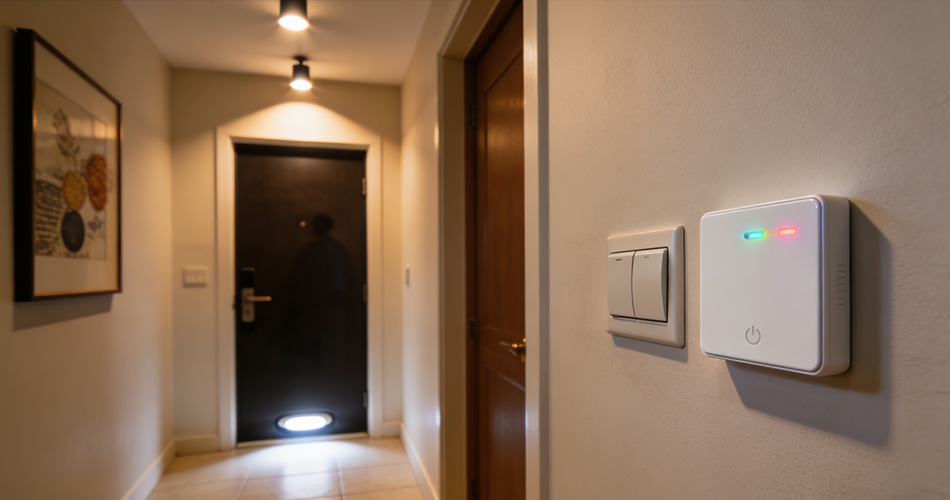
Smart lighting control delivers three interconnected core values that drive the transformation of lighting management and smart ecosystem construction:
First, efficient energy saving and low-carbon development. By leveraging daylight harvesting, occupancy sensing, and dynamic dimming technologies, smart lighting control can reduce lighting energy consumption by 30%-60% compared to traditional systems. It automatically adjusts artificial lighting intensity based on natural light changes, turns off lights in unoccupied areas, and optimizes lighting schedules according to actual needs. For cities and enterprises, this not only reduces electricity costs but also directly contributes to carbon emission reduction targets, supporting the global carbon neutrality initiative.
Second, ecological synergy and integrated operation. Smart lighting control serves as a "neural node" in smart ecosystems, seamlessly integrating with building management systems (BMS), smart city platforms, industrial Internet of Things (IIoT), and agricultural monitoring systems. For instance, it can coordinate with HVAC systems to adjust temperature and lighting simultaneously based on occupancy; integrate with security cameras to brighten illumination in abnormal areas; and link with agricultural sensors to adjust light intensity and spectrum according to crop growth stages. This synergy breaks down system silos and improves the overall operational efficiency of smart environments.
Third, personalized experience and scenario adaptation. Smart lighting control enables precise adjustment of lighting parameters (brightness, color temperature, spectrum) to meet the needs of different users and scenarios. In office buildings, it adjusts color temperature according to the circadian rhythm of employees to improve work efficiency; in hospitals, it provides soft lighting for patient rooms and high-brightness lighting for operating rooms; in agricultural greenhouses, it simulates natural light changes to promote crop growth. This personalized adaptation enhances user comfort and scenario-specific operational effects.
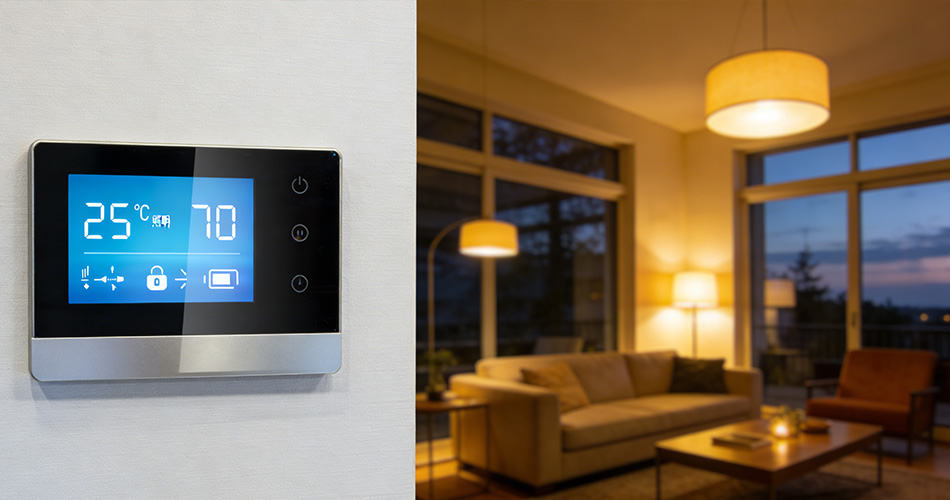
Smart lighting control has been widely applied across multiple industries, delivering targeted value in urban, industrial, agricultural, and residential scenarios:
Smart urban transportation hubs (airports, high-speed rail stations): These hubs have large areas, complex spaces, and high passenger flow. Smart lighting control adjusts lighting based on passenger flow density (brightening in peak hours, dimming in off-peak hours) and natural light conditions. It integrates with traffic guidance systems to highlight exit signs and passageways in emergency situations, improving evacuation efficiency. Additionally, it monitors lighting equipment status in real time, enabling proactive maintenance to avoid lighting failures that affect passenger safety.
Green industrial parks and factories: Industrial lighting accounts for a significant proportion of factory energy consumption. Smart lighting control adjusts lighting according to production schedules and workshop occupancy. In high-bay warehouses, it uses motion sensors to activate lighting only in working areas; in precision manufacturing workshops, it maintains stable, high-precision illumination to ensure product quality. It also integrates with industrial control systems to link lighting with production processes, improving production efficiency and energy utilization.
Smart agricultural greenhouses: Light is a key factor affecting crop growth. Smart lighting control adjusts light intensity, spectrum, and illumination time based on crop types (vegetables, flowers, fruits) and growth stages (germination, seedling, flowering, fruiting). For example, it provides blue-rich light during the seedling stage to promote root growth and red-rich light during the flowering and fruiting stages to improve yield and quality. This precision lighting management enhances agricultural production efficiency and reduces energy waste.
High-end residential communities and villas: Smart lighting control creates personalized living experiences for residents. It supports scene customization (such as "morning wake-up mode," "dinner party mode," and "night rest mode") and can be controlled remotely via mobile apps. It integrates with home security systems to turn on outdoor lights when motion is detected, enhancing home safety. Additionally, it leverages daylight harvesting to reduce energy consumption, balancing comfort and sustainability.
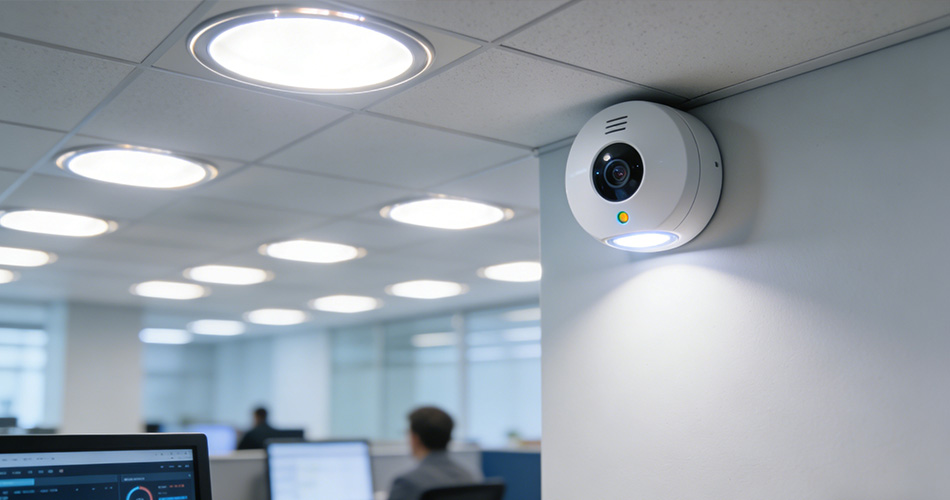
To maximize the value of smart lighting control, it is necessary to adopt targeted implementation strategies based on scenario characteristics:
First, conduct scenario-specific demand analysis. Before deployment, clarify the core needs of the scenario (energy saving, safety, production efficiency, or user experience) and select appropriate control technologies and system configurations. For example, urban public lighting should prioritize energy saving and remote monitoring; industrial workshops should focus on illumination stability and process integration; agricultural greenhouses should emphasize spectrum adjustment and sensor synergy.
Second, ensure system compatibility and scalability. Choose smart lighting control solutions that support industry-standard protocols (such as DALI, Zigbee, and LoRaWAN) to ensure compatibility with existing systems and devices. Design scalable architectures to accommodate future expansions, such as adding new lighting zones, integrating new sensors, or connecting to updated smart platforms.
Third, strengthen data management and security protection. Smart lighting control generates a large amount of operational data (occupancy, energy consumption, equipment status). Establish a sound data management system to analyze data and optimize control strategies. At the same time, adopt encryption technologies and access control mechanisms to protect data security and privacy, especially in public and commercial scenarios.
Fourth, promote phased deployment and personnel training. For large-scale projects, adopt a phased deployment approach (pilot first, then promotion) to reduce risks and optimize solutions based on practical experience. Provide professional training for operation and maintenance personnel to ensure they can proficiently use and maintain the system, maximizing its long-term operational efficiency.
With the continuous advancement of IoT, AI, and renewable energy technologies, smart lighting control is evolving toward more intelligent, integrated, and sustainable directions:
One trend is AI-driven predictive control. Future systems will use artificial intelligence to analyze historical data (energy consumption, occupancy, weather) to predict lighting needs and adjust parameters proactively. For example, they can predict passenger flow peaks in transportation hubs and pre-adjust lighting; predict equipment failures and send maintenance alerts in advance, realizing predictive maintenance.
Another trend is integration with renewable energy systems. Smart lighting control will deeply integrate with solar panels, wind energy systems, and energy storage devices. It will prioritize the use of renewable energy for lighting, store excess energy, and adjust lighting strategies based on energy generation status, achieving a closed loop of "renewable energy generation - storage - lighting consumption."
Finally, the development of self-healing and adaptive systems. Future smart lighting control systems will have self-healing capabilities, automatically detecting and repairing minor faults (such as network disconnections and sensor malfunctions). They will also adapt to long-term environmental changes (such as seasonal changes, plant growth, and urban expansion) by continuously learning and optimizing control strategies, ensuring stable and efficient operation.
In conclusion, smart lighting control is not only a tool for optimizing lighting management but also a core driver of sustainable smart environment construction. By realizing energy saving, system synergy, and personalized adaptation, it delivers significant value across urban, industrial, agricultural, and residential scenarios. Through scenario-specific implementation strategies, enterprises and cities can unlock the full potential of smart lighting control, promoting low-carbon development and improving operational efficiency. As technology advances, smart lighting control will become more intelligent and integrated, playing an increasingly important role in the global digital transformation and carbon neutrality process. For anyone investing in smart environment construction, prioritizing smart lighting control is a strategic choice that balances economic benefits, environmental protection, and user experience, laying a solid foundation for building future-ready smart environments.


)
)
)
)

+86 15899791249

+86 755 2955 3313


Address: Huafeng No.1 Science and Technology Park, Sanwei, Bao'an District, Shenzhen, Guangdong, China.
