

Time:2025-12-18
In the age of user-centric smart technology, Smart lighting control has evolved from a mere energy-saving tool to a critical component that shapes comfortable, accessible, and personalized environments. Unlike traditional lighting systems that offer one-size-fits-all illumination or rigid control modes, Smart lighting control integrates IoT connectivity, user behavior sensing, and adaptive algorithms to tailor lighting experiences to individual needs and scene characteristics. From supporting people with disabilities in daily activities to enhancing productivity for remote workers, this technology bridges the gap between lighting infrastructure and human-centric demands. For designers, facility managers, and community planners, understanding the user-centric value of Smart lighting control is essential to building inclusive and efficient smart spaces. This article explores the core value, scenario-specific applications, implementation guidelines, and future trends of Smart lighting control, highlighting its role in redefining the relationship between users and lighting environments.
Traditional lighting systems—whether manual switches or basic dimmers—lack the ability to adapt to diverse user needs and dynamic environmental changes. For people with visual impairments, fixed-brightness lighting may cause glare or insufficient illumination, hindering mobility and daily tasks. For remote workers who alternate between video conferences and focused work, traditional lighting cannot automatically adjust to meet different activity requirements. In public spaces like museums or libraries, rigid lighting settings fail to balance exhibit protection, user comfort, and energy efficiency. Moreover, traditional lighting operates independently of user behavior, requiring constant manual adjustments that reduce convenience and accessibility.
Beyond user experience limitations, traditional lighting also fails to integrate with modern smart life demands. With the rise of remote work, aging populations, and inclusive design standards, there is an urgent need for lighting systems that can proactively respond to diverse user groups. Smart lighting control addresses these gaps by prioritizing user needs, leveraging sensing and adaptive technologies to deliver personalized illumination, and ensuring accessibility for all, making it a cornerstone of modern user-centric smart environments.
Smart lighting control delivers four key user-centric benefits that distinguish it from traditional lighting systems:
First, inclusive accessibility for diverse user groups. Smart lighting control supports personalized adjustments for people with disabilities—such as dimmable brightness, adjustable color temperature, and voice/gesture control—to meet the needs of visual, motor, or cognitive impairments. For example, users with low vision can set higher brightness and warmer color temperatures to reduce eye strain, while those with motor disabilities can control lighting via voice commands or mobile apps without physical interaction. This inclusivity ensures that lighting is accessible to everyone, aligning with global inclusive design standards.
Second, dynamic adaptation to user behavior and activities. By integrating motion sensors, ambient light sensors, and user behavior analytics, Smart lighting control automatically adjusts lighting parameters based on real-time activities. For instance, it switches to high-brightness, cool-temperature lighting when a user starts working on a computer, and transitions to warm, low-brightness lighting when they switch to reading mode. In residential spaces, it learns users’ daily routines—gradually brightening lights in the morning to simulate sunrise and dimming them at night to promote sleep—creating a seamless, personalized experience.
Third, multi-scenario synergy with daily life. Smart lighting control seamlessly integrates with other smart devices and life scenarios, enhancing convenience and operational efficiency. In remote work environments, it syncs with video conferencing tools to adjust lighting for optimal camera visibility; in smart homes, it links with security systems to turn on lights when motion is detected, improving safety. In public spaces like shopping malls, it coordinates with store opening hours and foot traffic to adjust lighting ambiance, attracting customers while saving energy.
Fourth, data-driven personalized optimization. Smart lighting control collects and analyzes user interaction data—such as preferred brightness levels, activity-specific lighting modes, and usage times—to continuously refine lighting settings. Over time, the system learns individual preferences, reducing the need for manual adjustments and delivering increasingly tailored experiences. For facility managers, this data also provides insights into space usage patterns, supporting better decision-making for environment optimization.
Smart lighting control excels in diverse user-centric scenarios, delivering targeted value across inclusive workplaces, residential communities, public service spaces, and elderly care facilities:
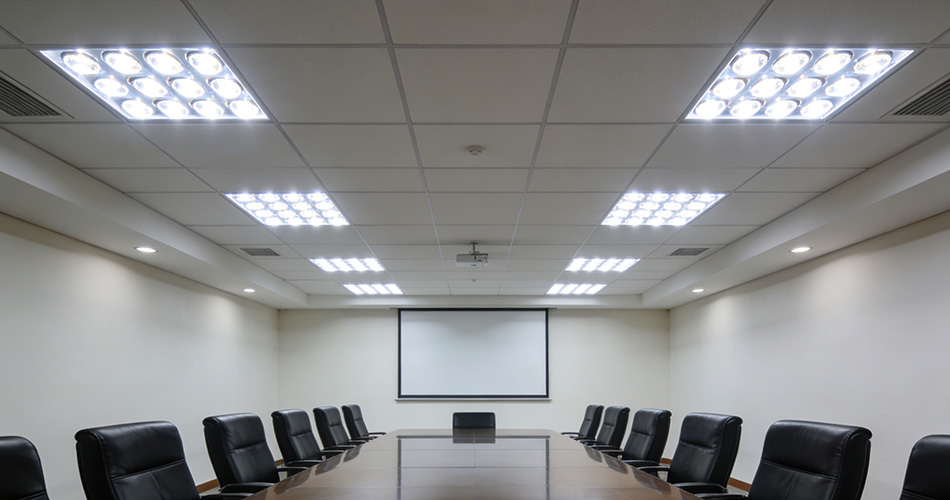
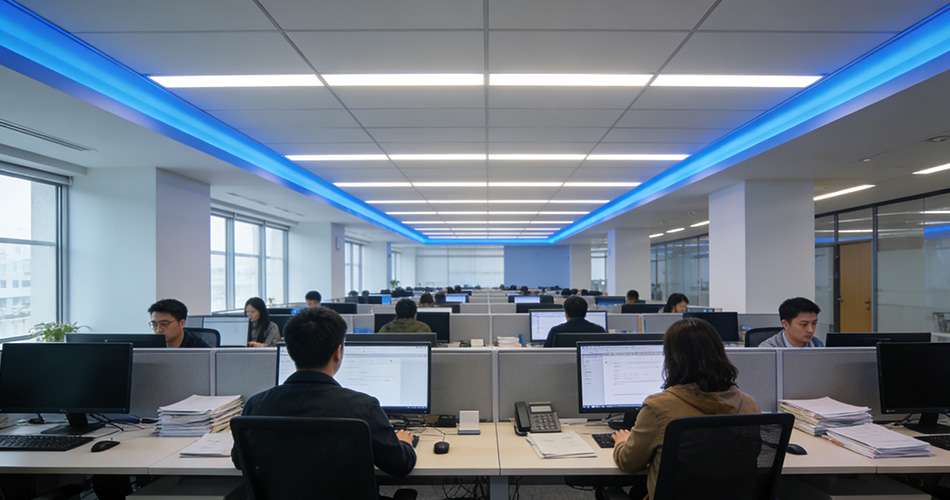
Accessible office spaces: Workplaces designed for inclusivity leverage Smart lighting control to support employees with diverse needs. Desks are equipped with individual lighting controls that allow adjustments to brightness and color temperature via voice or app; meeting rooms feature automatic lighting adaptation based on the number of participants and meeting type (e.g., presentation mode with focused lighting, discussion mode with uniform illumination). This ensures that all employees can work in a comfortable lighting environment, boosting productivity and well-being.
Senior-friendly smart communities: Elderly residents often face challenges with traditional lighting, such as difficulty reaching switches or adapting to sudden brightness changes. Smart lighting control addresses these issues with motion-activated lighting in hallways and bathrooms, gradual brightness adjustment to avoid glare, and large-button or voice-controlled interfaces. It also syncs with health monitoring devices—turning on emergency lighting and alerting caregivers if an abnormal situation is detected—enhancing safety and independence for seniors.
Remote and hybrid work environments: Home offices and co-working spaces benefit from Smart lighting control’s ability to adapt to varied work tasks. The system automatically adjusts lighting for video conferences (reducing backlighting and ensuring facial clarity), switches to focus mode (cool, bright lighting) for deep work, and transitions to relaxation mode (warm, dim lighting) during breaks. Integration with smart calendars allows lighting to adjust in advance of scheduled tasks, supporting a seamless work rhythm.
Smart libraries and museums: These spaces require lighting that balances user comfort, exhibit protection, and energy efficiency. Smart lighting control adjusts brightness based on the type of exhibits (e.g., low-light settings for delicate artworks, standard lighting for bookshelves) and user presence. In reading areas, users can personalize lighting via mobile apps, while motion sensors ensure lights are turned off in unoccupied zones. This protects valuable exhibits while enhancing the visitor experience.
To maximize the user-centric value of Smart lighting control, follow these strategic implementation guidelines:
First, conduct user needs assessment across diverse groups. Before deployment, survey target users—including people with disabilities, seniors, children, and professionals—to understand their lighting preferences and pain points. For example, in a senior community, prioritize motion activation and gradual brightness adjustment; in an office, focus on individual control and video conference-specific lighting modes. This ensures the system is tailored to actual user needs.
Second, prioritize intuitive and accessible control interfaces. Choose control methods that are easy to use for all users, such as voice commands, large-button wall panels, mobile apps with simple navigation, and gesture control. Avoid overly complex settings; instead, offer pre-set personalized modes (e.g., “senior mode,” “work mode”) that can be activated with one click. For users with limited digital literacy, provide simple training materials and on-site support.
Third, ensure system compatibility and scalability. Select Smart lighting control solutions that support industry-standard protocols (e.g., Zigbee, Wi-Fi, DALI) to integrate with other smart devices—such as health monitors, video conferencing tools, and security systems. Choose scalable systems that can be updated with new features (e.g., new user modes, advanced sensing) as user needs evolve, avoiding the need for complete system overhauls.
Fourth, balance personalization with energy efficiency. While prioritizing user needs, implement energy-saving features such as motion sensors, daylight harvesting, and scheduled dimming to avoid excessive energy consumption. Use data analytics to optimize personalized settings for energy efficiency—for example, adjusting default brightness levels based on user feedback and energy usage data.
As IoT, AI, and inclusive design technologies advance, Smart lighting control is evolving to deliver even more personalized and accessible experiences:
One trend is AI-driven adaptive personalization. Future systems will use artificial intelligence to learn individual user preferences, health conditions, and activity patterns, delivering proactive lighting adjustments. For example, the system might detect a user’s eye strain based on screen time and automatically adjust lighting to reduce glare, or adapt to a senior’s changing vision needs as they age.
Another trend is integration with assistive technologies. Smart lighting control will link with assistive devices such as hearing aids, visual aids, and mobility scooters. For example, a visual aid device could sync with lighting to adjust brightness based on the user’s visual acuity, while a mobility scooter could trigger lighting in front of the user as they move through a space.
Finally, multi-modal interaction fusion. Systems will combine voice, gesture, eye-tracking, and touch control to offer diverse interaction options, ensuring accessibility for all users. For example, a user with motor disabilities could use eye tracking to control lighting, while a busy parent could use gesture control to adjust lights without hands.
In conclusion, Smart lighting control is redefining the role of lighting in modern environments by placing user needs at the center. Through inclusive accessibility, dynamic behavior adaptation, and multi-scenario synergy, it delivers personalized, convenient, and efficient lighting experiences across diverse spaces. By implementing user-centric strategies—prioritizing needs assessment, intuitive interfaces, and compatibility—organizations and communities can unlock the full potential of this technology, building inclusive and comfortable smart environments. As AI and assistive technologies advance, Smart lighting control will become even more intelligent and accessible, solidifying its role as a core component of user-centric smart living. For anyone investing in smart environment construction, prioritizing user-centric Smart lighting control is a strategic choice that delivers long-term value, inclusivity, and user satisfaction—key to success in the evolving smart technology landscape.


)
)
)
)

+86 15899791249

+86 755 2955 3313


Address: Huafeng No.1 Science and Technology Park, Sanwei, Bao'an District, Shenzhen, Guangdong, China.
