

Time:2026-01-28
As industrial facilities continue to expand in scale and complexity, traditional lighting management methods are becoming increasingly inefficient. Manual switches, fixed timers, and decentralized control panels are no longer suitable for factories, warehouses, and industrial campuses operating across multiple zones and shifts. Smart lighting remote control systems offer a powerful solution—enabling centralized, wireless, and flexible lighting management that improves energy efficiency, operational visibility, and long-term cost control.
This article explores how smart lighting remote control systems work, their advantages for industrial facilities, and key considerations for deployment.
Smart lighting remote control refers to a wireless lighting management method that allows users to control, configure, and monitor lighting systems remotely—without relying on traditional wired switches or manual intervention. These systems typically use RF (radio frequency), Bluetooth, Zigbee, or similar wireless technologies to communicate between lighting controllers, sensors, and user interfaces.
In industrial environments, smart lighting remote control enables facility managers to adjust lighting settings across large areas or multiple buildings from a single point—whether via handheld remotes, wall-mounted controllers, mobile apps, or centralized platforms.
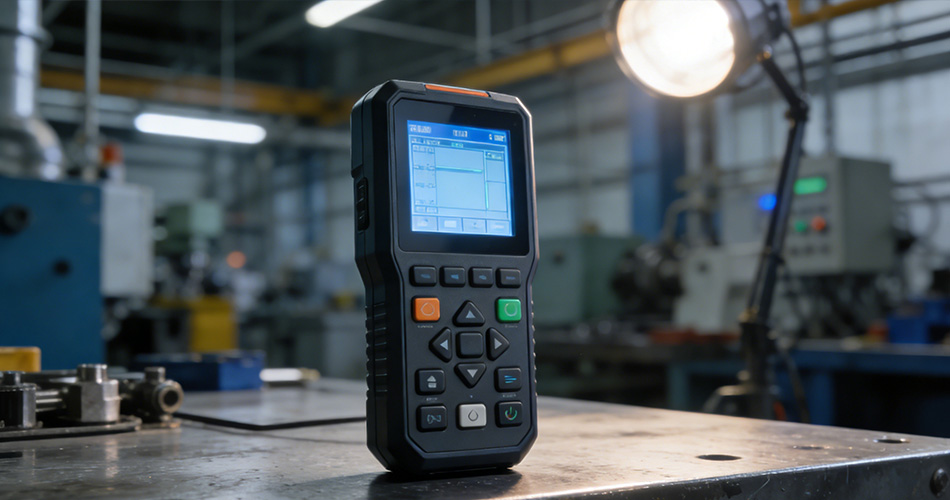
Factories and warehouses often consist of multiple production zones, storage areas, offices, and outdoor spaces. Managing lighting manually across these areas is time-consuming and prone to errors. Smart lighting remote systems centralize control, allowing operators to manage lighting from a single interface instead of multiple physical switches.
This centralized approach significantly reduces operational complexity and ensures consistent lighting behavior across the entire facility.
One of the most valuable features of smart systems is smart lighting remote programming. Facility managers can define lighting behaviors based on operational needs, such as:
Shift-based lighting schedules
Zone-specific brightness levels
Automatic dimming during low-activity periods
Emergency or maintenance lighting modes
Smart lighting remote programming allows lighting strategies to evolve alongside production schedules—without rewiring or hardware changes.
Industrial facilities rarely require uniform lighting across all areas. Production lines, warehouses, corridors, and loading docks all have different lighting requirements. Multi zone lighting remote functionality allows each area to be controlled independently while still being managed from a unified system.
With multi-zone control, facilities can:
Illuminate only active zones
Reduce lighting in unused areas
Improve visibility where precision work is required
Avoid over-lighting and energy waste
This targeted control is a key contributor to energy savings in smart factories.

Many industrial smart lighting systems rely on RF lighting remote control technology due to its reliability and flexibility. RF-based systems do not require line-of-sight communication, making them well-suited for industrial environments with obstacles such as machinery, shelving, and structural elements.
Key advantages of RF lighting remote control include:
Stable communication over long distances
Strong resistance to interference
Scalability for large facilities
Easy integration with sensors and gateways
These characteristics make RF lighting remote control a preferred choice for factories and warehouses seeking robust wireless lighting solutions.
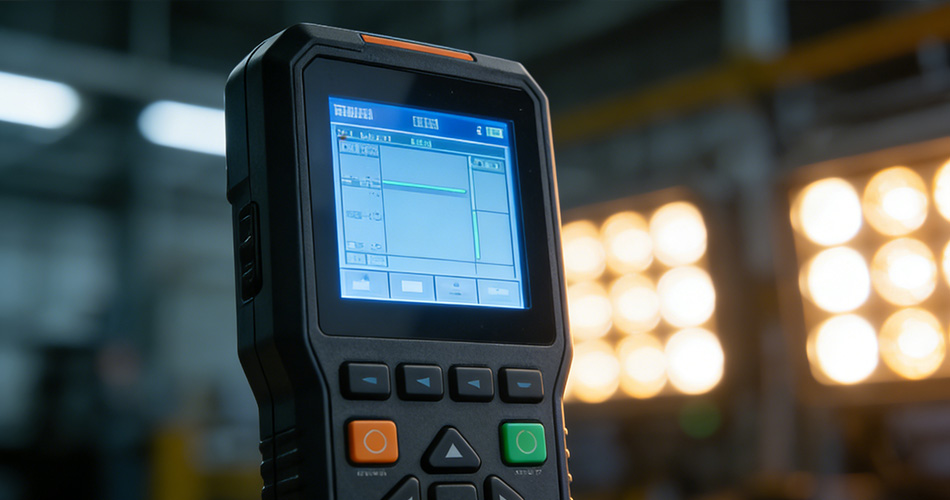
As factories modernize, many face the challenge of upgrading outdated lighting control systems. Smart lighting remote replacement allows facilities to transition from legacy controls to intelligent systems without a complete lighting overhaul.
Remote replacement solutions often support:
Compatibility with existing LED fixtures
Gradual system upgrades by zone or building
Reduced installation downtime
Lower upfront investment compared to full rewiring
This makes smart lighting remote replacement an attractive option for industrial operators looking to improve efficiency while controlling capital expenditure.
Warehouses are among the most energy-intensive lighting environments due to their size, ceiling height, and extended operating hours. Smart lighting remote control systems enable warehouse operators to dynamically manage lighting based on real-time activity.
By combining remote control with occupancy sensors and scheduling, warehouses can:
Reduce lighting in empty aisles
Improve safety in active picking zones
Lower energy consumption during off-peak hours
Extend the lifespan of lighting fixtures
Remote control ensures these adjustments can be made instantly without manual intervention.
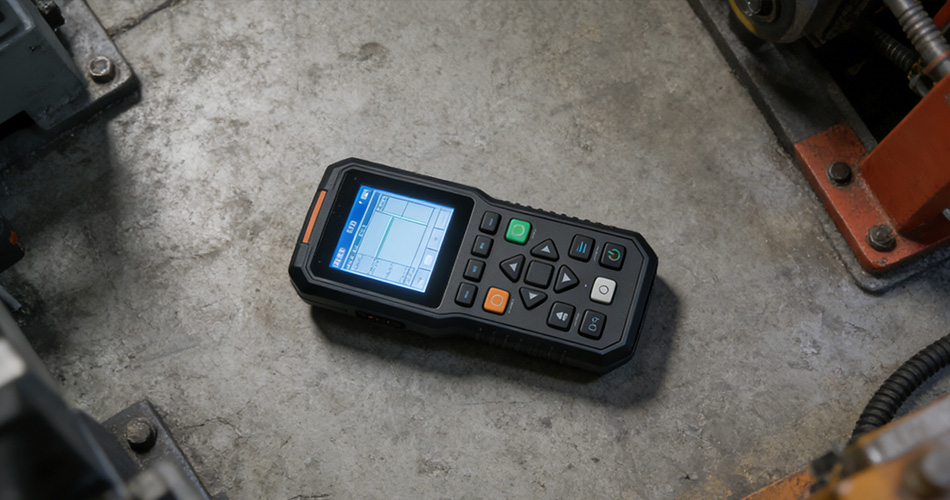
Modern smart lighting remote systems are designed to integrate seamlessly with broader industrial infrastructure, including building management systems (BMS), energy monitoring platforms, and IoT networks.
This integration enables:
Real-time visibility into lighting energy usage
Data-driven optimization of lighting strategies
Centralized control across multiple facilities
Alignment with sustainability and ESG objectives
Lighting becomes not just a utility, but a controllable and measurable component of overall industrial performance.
To maximize ROI and system reliability, industrial facilities should consider the following best practices:
Identify areas that benefit most from independent control and remote management.
Select RF lighting remote control or similar wireless solutions that support future expansion.
Define schedules, zones, and control logic aligned with operational workflows.
Ensure the system supports easy smart lighting remote replacement as technology evolves.
For modern industrial facilities, smart lighting remote control delivers far more than convenience. It provides centralized visibility, flexible programming, multi-zone control, and reliable wireless communication—key factors in reducing energy costs and improving operational efficiency.
With capabilities such as smart lighting remote programming, smart lighting remote replacement, multi zone lighting remote management, and RF lighting remote control, industrial operators gain a future-ready lighting infrastructure that scales with their business.
As factories and warehouses continue to embrace digital transformation, smart lighting remote control systems are becoming an essential tool for sustainable, efficient, and intelligent industrial operations.


)
)
)
)

+86 15899791249

+86 755 2955 3313


Address: Huafeng No.1 Science and Technology Park, Sanwei, Bao'an District, Shenzhen, Guangdong, China.
