

Time:2025-10-22
In recent years, the lighting industry has undergone a significant transformation with the advent of smart lighting solutions. These innovations have revolutionized the way we think about lighting, providing more control, efficiency, and convenience. One of the most exciting developments in this area is the integration of wide lighting control systems. In this article, we'll explore what wide lighting control system integration means, its benefits, and how you can implement it in your building.
Wide lighting control system integration involves connecting various lighting fixtures and controls within a building into a single, cohesive network. This network allows for centralized management of all lighting systems, enabling more efficient operation and improved energy usage. The integration can encompass wireless lighting control, allowing you to manage your lights remotely through smart devices or a centralized control panel.
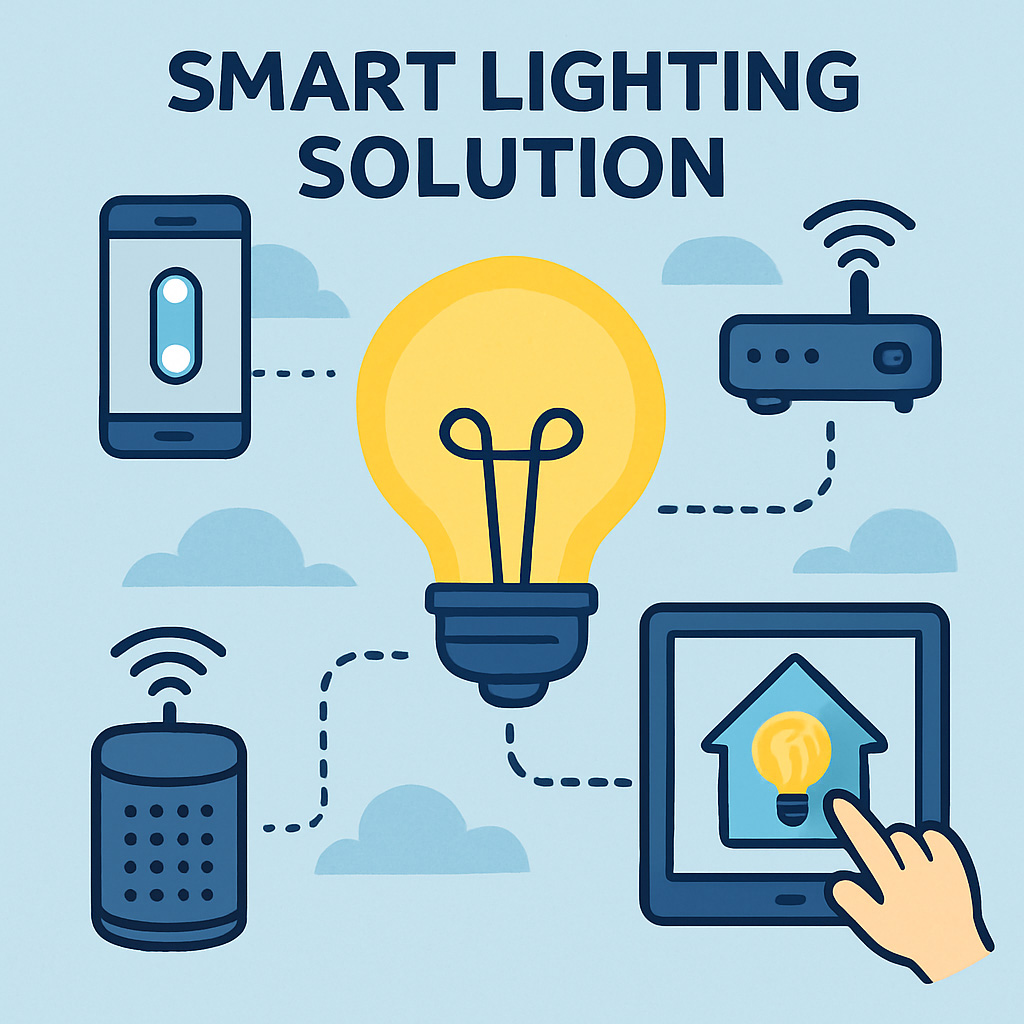
Smart lighting solutions are at the heart of wide lighting control system integration. These systems use advanced technology to provide automated, customizable lighting experiences. With smart lighting, you can set schedules, adjust brightness levels, and even change colors based on your preferences. The integration of smart lighting solutions makes it easier to manage lighting across an entire building, ensuring that the right amount of light is delivered when and where it's needed.
Implementing a wide lighting control system in your building offers numerous advantages. Here are some of the key benefits:
One of the most significant advantages of integrating your lighting systems is improved energy efficiency. By automating and optimizing lighting based on occupancy and natural light availability, you can reduce energy consumption significantly. This not only lowers your energy bills but also contributes to a more sustainable environment.
With a wide lighting control system, managing your lighting becomes a breeze. You can control all lights from a single interface, whether it's a smart device or a central control panel. This convenience is especially valuable in large buildings where manual control of each fixture would be cumbersome.
Wide lighting control systems allow you to fine-tune lighting conditions to suit specific needs. Whether you need bright, focused lighting for a meeting room or a warm, ambient glow for a lounge area, you can achieve it with ease. This level of control enhances the overall lighting quality and creates a more comfortable environment.
Integrating your lighting systems can also enhance security. You can set lights to turn on automatically when motion is detected, deterring potential intruders. Additionally, you can program lights to simulate occupancy when the building is vacant, adding an extra layer of security.

Implementing a wide lighting control system in your building involves several key steps. Here's a straightforward guide to get you started:
Before diving into integration, it's crucial to assess your building's lighting needs. Consider factors such as the size of the building, the number of occupants, and specific lighting requirements for different areas. This assessment will guide you in choosing the right smart lighting solutions and control systems.
Selecting the appropriate technology is essential for successful integration. Look for smart lighting solutions that are compatible with wireless lighting control systems. Consider factors like scalability, ease of use, and compatibility with existing infrastructure.
Once you've chosen your technology, it's time to plan the installation. Work with experienced professionals who can design a customized lighting control system tailored to your building's unique needs. This planning stage is critical to ensure a seamless integration process.
During the installation phase, ensure that all components are correctly set up and integrated into the network. Thorough testing is essential to verify that the system functions as intended. Address any issues promptly to prevent disruptions in lighting control.
After installation, provide training for your team on how to use the new system. Understanding how to operate the control interface and make adjustments will empower your staff to take full advantage of the system's capabilities.

As technology continues to evolve, so do lighting control systems. Here are some trends to watch out for:
The Internet of Things (IoT) is playing an increasingly significant role in lighting control systems. IoT-enabled devices can collect data and provide insights into lighting usage patterns, allowing for further optimization and automation.
AI is being integrated into lighting systems to enable predictive lighting control. AI algorithms can learn user preferences and adapt lighting conditions automatically, enhancing both convenience and energy efficiency.
Voice-activated lighting control is becoming more prevalent, providing hands-free operation and adding another layer of convenience to smart lighting solutions.
Wide lighting control system integration represents a major leap forward in how we manage and experience lighting in buildings. By harnessing the power of smart lighting solutions and wireless control systems, you can achieve greater energy efficiency, convenience, and security. As technology continues to advance, the possibilities for lighting control will only expand, making this an exciting field to watch. Whether you're upgrading an existing building or planning a new one, integrating a wide lighting control system is a smart investment that will pay off in numerous ways.


)
)
)
)

+86 15899791249

+86 755 2955 3313


Address: Huafeng No.1 Science and Technology Park, Sanwei, Bao'an District, Shenzhen, Guangdong, China.
