

Time:2025-12-10
Suspended ceilings are a staple in commercial, institutional, and public facilities, offering aesthetic appeal, acoustic benefits, and easy access to building services. When integrating automated lighting systems—reliant on occupancy, motion, or ambient light sensors—proper sensor installation becomes critical to ensure accurate detection and optimal performance. Suspended ceiling sensor mounting bracket kits emerge as a specialized solution, addressing the unique challenges of installing sensors in suspended ceiling environments. These kits streamline installation, ensure sensor stability, and preserve ceiling integrity, making them indispensable for facility managers, electrical contractors, and lighting system integrators. For organizations implementing automated lighting, choosing the right suspended ceiling sensor mounting bracket kits is a key step in maximizing sensor functionality and long-term system reliability.
Installing sensors in suspended ceilings presents distinct challenges that standard mounting solutions fail to address. Suspended ceilings consist of lightweight tiles supported by a grid system, which lacks the structural rigidity of solid ceilings. Traditional mounting methods—such as direct screwing into ceiling tiles or grid members—risk damaging the ceiling, causing tiles to crack or grid systems to weaken. This not only compromises the ceiling’s aesthetic but also creates safety hazards.
Additionally, inaccurate sensor positioning due to poor mounting can undermine automated lighting performance. Sensors mounted incorrectly may have limited detection ranges, trigger false alarms (e.g., detecting air movement as occupancy), or fail to detect activity in critical zones. For example, an occupancy sensor poorly mounted in an office ceiling might miss employees working in corner cubicles, leading to unnecessary lighting shutdowns and user frustration. Moreover, installing sensors without specialized brackets often requires custom modifications, increasing installation time, labor costs, and the risk of errors.
Suspended ceiling sensor mounting bracket kits address these challenges by providing purpose-built components designed to work with suspended ceiling grids and tiles. They ensure secure, precise sensor installation while minimizing ceiling damage, solving the core pain points of sensor integration in suspended ceiling environments.
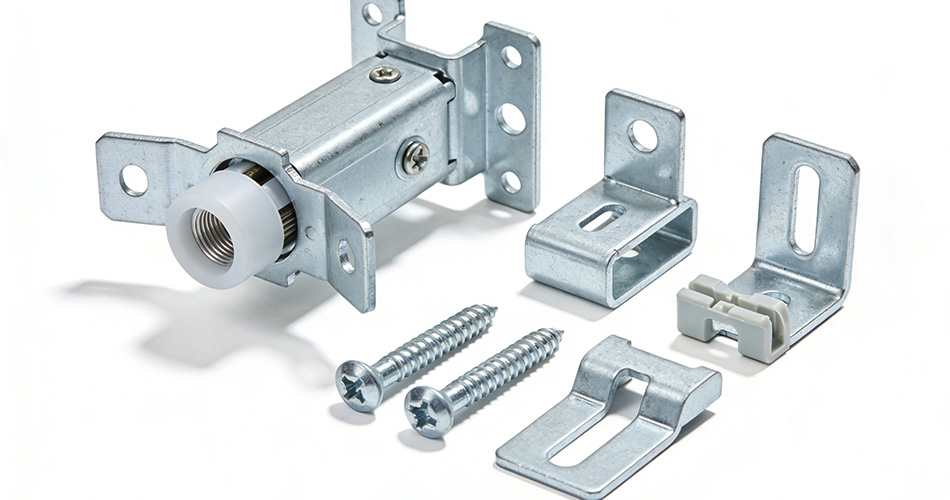
Suspended ceiling sensor mounting bracket kits deliver four key benefits that enhance installation efficiency, sensor performance, and long-term reliability:
First, easy and non-damaging installation. These kits are engineered to attach to suspended ceiling grids without requiring permanent modifications to tiles or grid members. Most kits use clamp-on or snap-fit designs that secure to grid rails, eliminating the need for drilling or cutting. This not only preserves the ceiling’s integrity but also reduces installation time—contractors can mount sensors in minutes rather than hours, lowering labor costs and minimizing facility disruption. For facilities undergoing retrofits, this non-invasive installation is particularly valuable, as it avoids the need for extensive ceiling repairs post-installation.
Second, precise sensor positioning and adjustability. Suspended ceiling sensor mounting bracket kits feature adjustable arms, swivels, or tilt mechanisms that allow contractors to fine-tune sensor angles and detection ranges. This ensures sensors are positioned to cover target zones accurately, maximizing detection reliability and reducing false triggers. For example, an ambient light sensor can be tilted to avoid direct sunlight glare, while an occupancy sensor can be angled to cover a large open workspace without picking up activity from adjacent corridors. This adjustability is critical for tailoring sensor performance to the unique layout of each facility.
Third, secure and stable mounting. Designed to accommodate the weight of various sensors (occupancy, motion, ambient light), these bracket kits provide robust support that prevents sensor movement or sagging over time. This stability is essential for maintaining consistent sensor performance, as even minor shifts can alter detection ranges. In high-traffic facilities or areas with air movement (e.g., near HVAC vents), stable mounting ensures sensors remain aligned, avoiding performance degradation.
Fourth, broad compatibility. High-quality suspended ceiling sensor mounting bracket kits are compatible with most standard suspended ceiling grid sizes and sensor models. This versatility eliminates the need for custom bracket solutions, simplifying procurement and installation. Contractors can use the same kit across multiple projects or facility types, reducing inventory costs and ensuring consistency in installation quality. Compatibility with both new and existing sensors also makes these kits ideal for retrofitting older automated lighting systems.
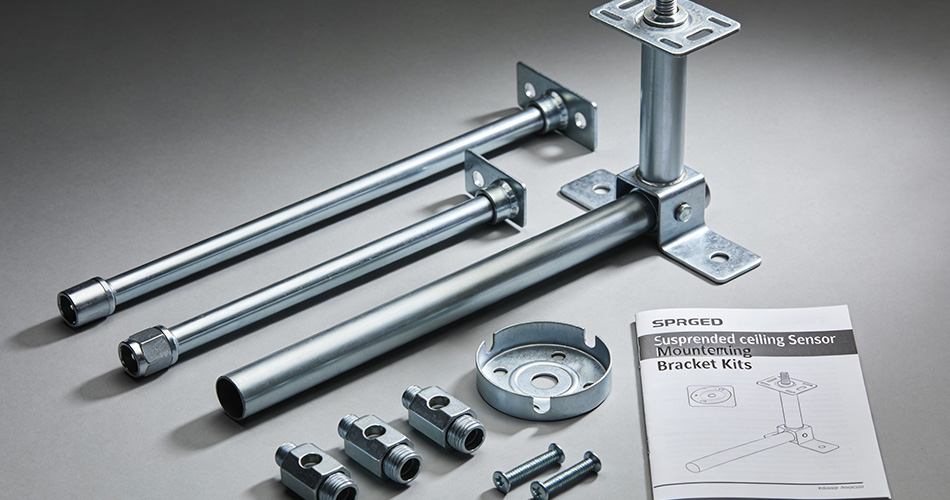
Suspended ceiling sensor mounting bracket kits are versatile, adapting to the unique requirements of various facility types where suspended ceilings and automated lighting are common:
Commercial office buildings rely on these kits to support sensors in open workspaces, meeting rooms, and corridors. The non-damaging installation is critical for preserving the aesthetic of modern office ceilings, while adjustable brackets ensure sensors cover cubicle areas and open floors effectively. In hybrid workplaces, where lighting must adapt to variable occupancy, properly mounted sensors (via these kits) ensure reliable detection, supporting energy efficiency without compromising user comfort.
Healthcare facilities (hospitals, clinics) use suspended ceiling sensor mounting bracket kits to install sensors in patient rooms, operating theaters, and hallways. The non-invasive design is essential in sterile environments, where ceiling integrity and cleanliness are paramount. Adjustable brackets allow sensors to be positioned to avoid interfering with medical equipment or patient beds, while stable mounting ensures consistent performance in critical areas like operating rooms, where lighting reliability is vital for procedures.
Retail environments leverage these kits to install sensors in stores, malls, and shopping centers. Suspended ceilings are common in retail spaces for hiding electrical and HVAC systems, and the bracket kits enable secure sensor installation without damaging ceiling tiles. Adjustable brackets allow retailers to reposition sensors as store layouts change (e.g., during seasonal displays), ensuring lighting adapts to shifting product zones and foot traffic patterns.
Educational institutions (schools, universities) use suspended ceiling sensor mounting bracket kits in classrooms, lecture halls, and libraries. The easy installation minimizes disruption to classes during retrofits, while stable mounting ensures sensors withstand the wear and tear of high-traffic educational environments. Adjustable brackets allow sensors to be angled to cover large lecture halls or small seminar rooms, supporting automated lighting that adapts to class schedules and occupancy.
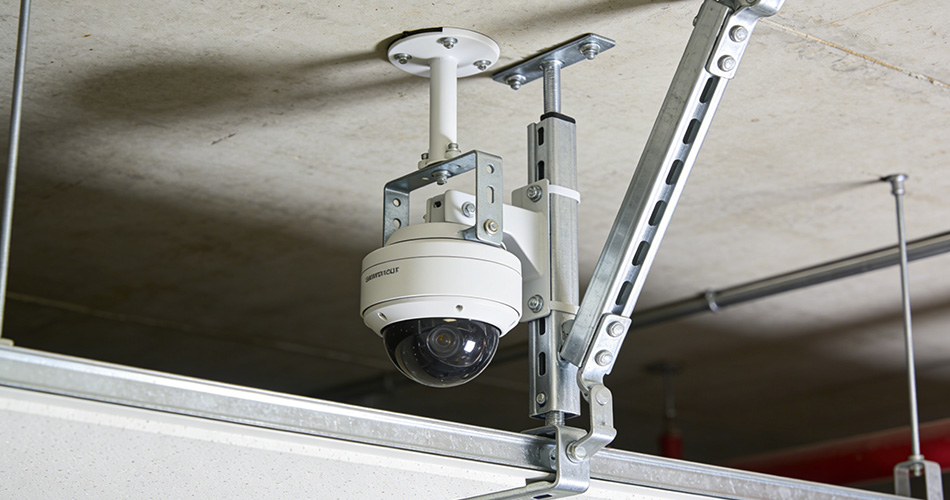
To maximize the value of suspended ceiling sensor mounting bracket kits, organizations and contractors should consider three key factors during selection:
First, ceiling grid compatibility. Ensure the kit is designed to fit the specific grid size (e.g., 2x2 ft, 2x4 ft) of the facility’s suspended ceiling. Most kits specify compatible grid dimensions, and choosing a mismatched kit can lead to unstable mounting or ceiling damage.
Second, sensor weight capacity. Select a kit that can support the weight of the sensors being installed. Heavier sensors (e.g., advanced occupancy sensors with integrated cameras) require sturdier brackets, while lighter sensors (e.g., small ambient light sensors) can use more compact kits. Overloading a bracket can lead to sagging or failure over time.
Third, adjustability features. Evaluate the kit’s adjustability options (swivel, tilt, arm length) to ensure they meet the facility’s needs. Facilities with complex layouts or variable sensor positioning requirements will benefit from highly adjustable kits, while simple environments may require only basic adjustability.
As automated lighting and smart building technology evolve, suspended ceiling sensor mounting bracket kits are adapting to meet emerging needs:
One trend is modular design. Manufacturers are developing modular bracket kits that can be customized to fit different sensor types and ceiling configurations. This versatility allows contractors to use a single base kit with interchangeable components, reducing inventory and simplifying installation across diverse projects.
Another trend is compatibility with smart sensors. As sensors become more advanced (e.g., integrating IoT connectivity, AI-driven detection), bracket kits are being designed to accommodate additional features, such as cable management for sensor wiring or built-in shielding to reduce electromagnetic interference. This ensures that mounting solutions do not hinder the performance of advanced smart sensors.
Finally, sustainable materials. With growing focus on sustainability in building projects, manufacturers are using recycled or eco-friendly materials in bracket kits. These sustainable kits align with green building standards (e.g., LEED) and appeal to organizations prioritizing environmental responsibility in their facility upgrades.
In conclusion, suspended ceiling sensor mounting bracket kits play a critical role in the successful integration of automated lighting systems in suspended ceiling environments. Their ability to simplify installation, preserve ceiling integrity, and enhance sensor performance makes them indispensable for modern facility projects. By addressing the unique challenges of suspended ceiling sensor mounting, these kits ensure that automated lighting systems deliver on their promise of energy efficiency, user comfort, and operational agility. For organizations and contractors implementing automated lighting in suspended ceiling facilities, investing in high-quality suspended ceiling sensor mounting bracket kits is a strategic choice that delivers long-term reliability and value.


)
)
)
)

+86 15899791249

+86 755 2955 3313


Address: Huafeng No.1 Science and Technology Park, Sanwei, Bao'an District, Shenzhen, Guangdong, China.
