

Time:2025-11-04
In the dynamic world of commercial smart lighting solutions, the Photocell light sensor emerges as an indispensable element, revolutionizing how businesses manage lighting efficiency and automation. Designed to detect changes in ambient light intensity, this sensor acts as a “smart eye” that triggers lighting systems to adjust accordingly—whether turning lights on as darkness falls or dimming them when natural light is abundant. For commercial spaces ranging from retail stores and warehouses to office campuses and parking facilities, integrating a Photocell light sensor is not just a cost-saving measure but a strategic step toward building a more sustainable, low-maintenance lighting infrastructure. This article delves into the value, applications, and best practices of the Photocell light sensor in commercial smart lighting.
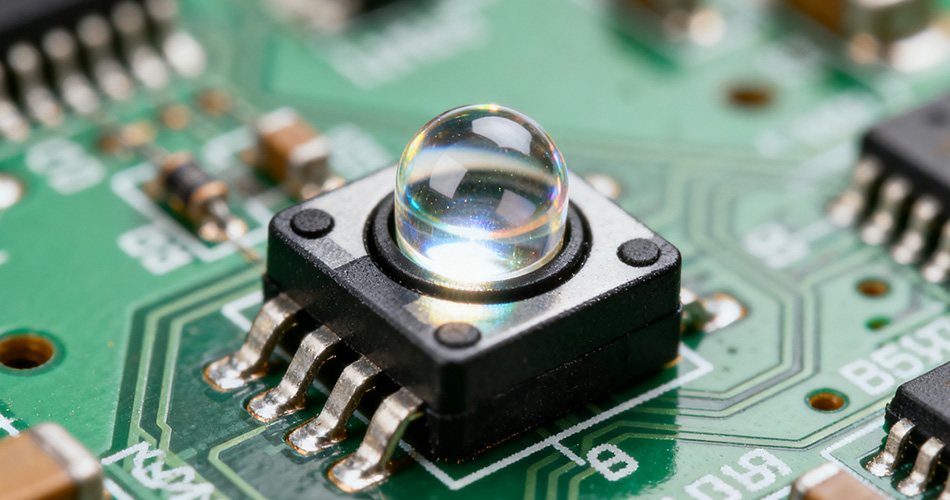
The Photocell light sensor offers three primary benefits that make it a staple in commercial smart lighting:
Significant Energy Savings: By aligning artificial lighting with natural light cycles, the Photocell light sensor eliminates unnecessary energy consumption. For example, a large warehouse with skylights can rely on the sensor to dim or turn off overhead lights during midday, cutting lighting energy costs by 30–50%. This not only reduces utility bills but also supports businesses’ sustainability goals by lowering carbon footprints.
Automated Operational Convenience: Manual lighting control is labor-intensive and prone to human error—staff may forget to adjust lights as light conditions change, leading to either dark spaces or wasted energy. The Photocell light sensor automates this process, ensuring lights are always at the optimal brightness level without intervention. This frees up facility management teams to focus on more critical tasks, improving overall operational efficiency.
Enhanced Safety and Compliance: Many commercial spaces are required by regulations to maintain adequate lighting during specific hours, especially outdoor areas like parking lots or walkways. The Photocell light sensor guarantees consistent lighting activation at dusk, preventing safety hazards such as trips and falls. It also ensures compliance with local lighting standards, reducing the risk of liability issues.
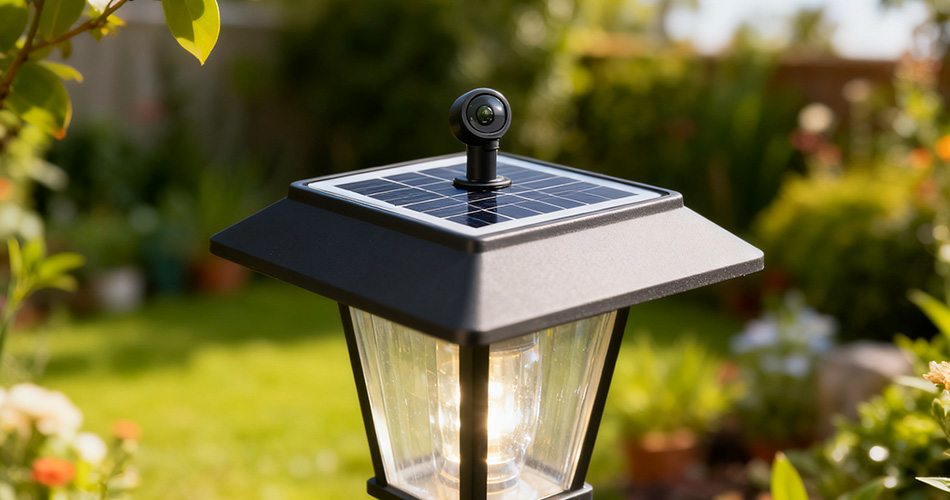
The versatility of the Photocell light sensor makes it suitable for diverse commercial environments, each with unique lighting needs:
Retail stores depend on lighting to showcase merchandise and create an inviting atmosphere. A Photocell light sensor adjusts storefront lights and interior display lighting based on natural light—brightening areas near windows during cloudy days and dimming them when sunlight is strong to avoid glare. This not only enhances the shopping experience but also reduces energy use during peak daylight hours.
Warehouses and distribution centers often have high ceilings and large open spaces, making lighting a major energy expense. The Photocell light sensor works with high-bay lighting systems to activate lights only when natural light (from skylights or doors) is insufficient. For loading docks that operate early mornings or late evenings, the sensor ensures lights are on when workers arrive and off when dawn breaks, aligning with shift schedules.
Campus walkways, outdoor auditoriums, and parking garages require reliable lighting for safety. The Photocell light sensor activates path lights and floodlights at dusk, providing consistent illumination for students, staff, or visitors. It also turns lights off at dawn, avoiding light pollution and unnecessary energy waste—particularly important for campuses located in residential areas.

To maximize the effectiveness of the Photocell light sensor, integrate it with other components of a commercial smart lighting solution:
Strategic Placement: Install the Photocell light sensor in areas with unobstructed access to ambient light, away from reflective surfaces (like metal walls) or direct light sources (such as nearby lamps) that could skew readings. For outdoor applications, choose weatherproof sensors to withstand rain, dust, and temperature fluctuations.
Synergy with Smart Controllers and Gateways: Pair the sensor with smart controllers to set custom lighting rules—for example, dimming lights to 50% instead of turning them off completely during partial daylight. Use gateways to monitor the sensor’s performance remotely, receiving alerts if it malfunctions or if lighting levels deviate from set parameters.
Regular Maintenance: Keep sensor lenses clean of dust, dirt, or debris, as buildup can affect light detection accuracy. Schedule quarterly inspections to check for physical damage (e.g., cracks from weather) and calibrate sensitivity seasonally—adjusting it to account for shorter days in winter and longer days in summer.
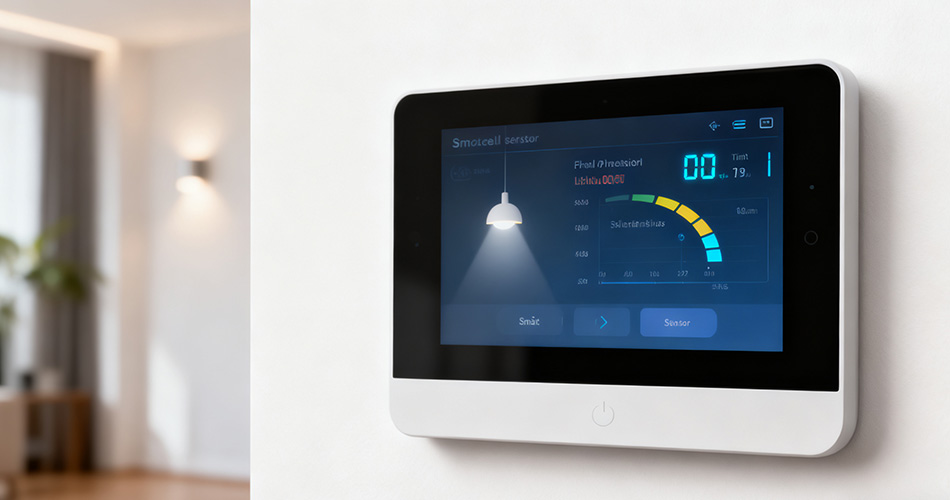
The Photocell light sensor is more than just a component of commercial smart lighting—it’s a catalyst for efficiency, convenience, and sustainability. By automating lighting based on natural light conditions, it helps businesses reduce costs, improve safety, and streamline operations across diverse commercial spaces. When integrated into a comprehensive smart lighting ecosystem—alongside controllers, gateways, and remote management tools—the Photocell light sensor becomes part of a cohesive system that adapts to changing needs and environmental conditions.
For businesses looking to upgrade their lighting infrastructure, prioritizing the Photocell light sensor ensures a foundation of smart, efficient lighting that delivers long-term value. Whether illuminating retail storefronts, warehouse yards, or campus walkways, this sensor proves to be a reliable, cost-effective solution for modern commercial lighting challenges.


)
)
)
)

+86 15899791249

+86 755 2955 3313


Address: Huafeng No.1 Science and Technology Park, Sanwei, Bao'an District, Shenzhen, Guangdong, China.
