

Time:2025-11-03
In the evolving landscape of commercial smart lighting solutions, the Photocell light sensor stands out as a fundamental component, bridging natural light utilization with automated efficiency. Designed to detect ambient light levels and trigger lighting systems accordingly, this sensor is not just a cost-saving tool but a key enabler of seamless, user-centric lighting environments. For businesses ranging from warehouses and retail stores to schools and office parks, integrating a Photocell light sensor into their smart lighting setup transforms how they manage energy consumption, operational convenience, and even safety. This article explores why the Photocell light sensor is indispensable for modern commercial lighting and how it enhances overall system performance.
The primary value of a Photocell light sensor lies in its ability to align artificial lighting with natural light conditions, addressing two critical business priorities: energy efficiency and operational simplicity.
Energy savings are perhaps the most compelling benefit. By automatically dimming or turning off lights when natural light is sufficient—such as during midday—businesses can reduce their lighting energy consumption by 30% to 50%, depending on the space. For large commercial facilities like distribution centers or shopping malls, this translates to significant monthly cost reductions and a smaller carbon footprint. Unlike manual controls, which rely on human intervention and are prone to oversight, the Photocell light sensor operates 24/7 without fatigue, ensuring no wasted energy from lights left on in well-lit areas.
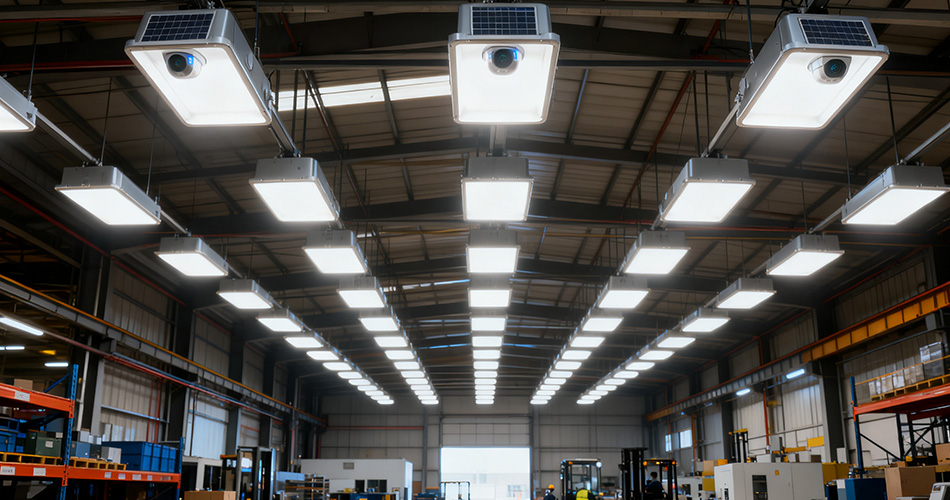
Operational convenience is another key advantage. In commercial spaces with varying occupancy or changing light conditions—like a retail store with large windows or a school courtyard—the sensor eliminates the need for staff to constantly adjust lights. This not only frees up personnel time but also maintains consistent lighting quality. For example, in a warehouse with skylights, the Photocell light sensor ensures that overhead lights only activate when clouds or dusk reduce natural illumination, keeping work areas safely lit without manual input.

The versatility of the Photocell light sensor makes it suitable for diverse commercial environments, each with unique lighting needs:
Warehouses & Industrial Facilities: High-ceiling spaces often rely on powerful lighting, but natural light from skylights or large doors can be underutilized. A Photocell light sensor adjusts high-bay lights in real time, ensuring brightness stays consistent while cutting energy use during daylight hours.
Retail Stores: Lighting directly impacts customer experience and product visibility. The sensor maintains optimal light levels near display windows—dimming artificial lights when sunlight is bright to avoid glare, and brightening them as dusk falls to keep merchandise appealing.
- Educational Campuses: Outdoor walkways, playgrounds, and parking lots require reliable lighting for safety. The Photocell light sensor triggers these lights at dusk and turns them off at dawn, eliminating the risk of forgotten lights draining energy overnight.
Office Buildings: Open-plan offices with glass facades benefit from the sensor’s ability to balance natural and artificial light, reducing eye strain for employees and creating a more comfortable workspace.
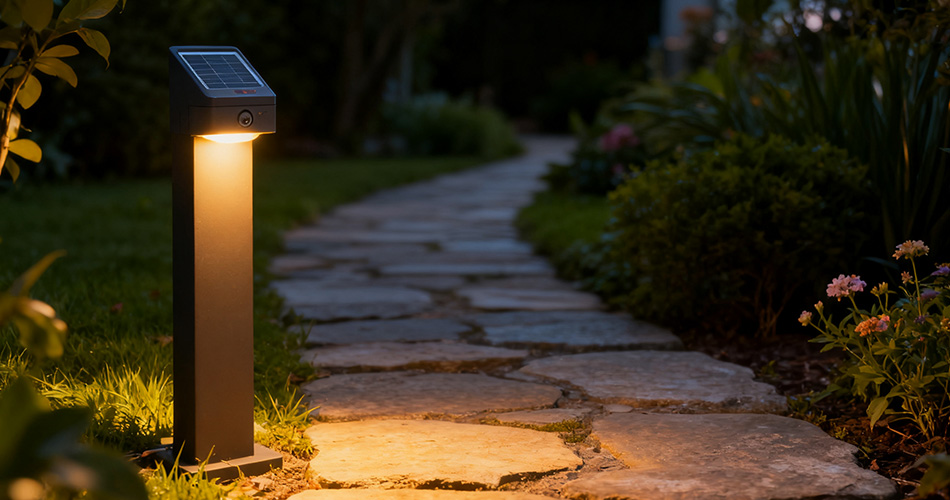
To fully leverage the Photocell light sensor, it should be integrated with other components of a commercial smart lighting solution, creating a cohesive ecosystem:
Integration with smart controllers allows for advanced customization. For instance, a business can set thresholds for when the sensor triggers lights—adjusting sensitivity to avoid false activations from passing clouds. Pairing the sensor with gateways enables remote monitoring, letting facility managers track how the sensor is performing and make adjustments via a cloud-based platform. In some cases, the Photocell light sensor can work alongside motion sensors: if natural light is low but the space is unoccupied, the motion sensor can override the photocell to keep lights off, further saving energy.
Proper placement is also crucial for optimal performance. The Photocell light sensor should be installed away from reflective surfaces (like metal awnings) or direct light sources (such as exterior floodlights) that could skew its readings. Mounting it at a height that captures overall ambient light—rather than spotty shadows—ensures accurate detection and reliable operation.
The Photocell light sensor is more than just an add-on to commercial smart lighting solutions; it is a foundational element that drives efficiency, convenience, and sustainability. By harnessing its ability to sync artificial lighting with natural light, businesses not only reduce costs but also create safer, more comfortable environments for employees, customers, and visitors. As commercial lighting continues to shift toward smarter, more connected systems, the Photocell light sensor remains a non-negotiable component for any organization looking to optimize their lighting infrastructure.
For businesses investing in commercial smart lighting, choosing a solution that prioritizes seamless Photocell light sensor integration—alongside controllers, gateways, and other smart components—ensures a holistic approach to lighting management. The result is a system that is not just efficient, but also adaptable to the unique needs of any commercial space.


)
)
)
)

+86 15899791249

+86 755 2955 3313


Address: Huafeng No.1 Science and Technology Park, Sanwei, Bao'an District, Shenzhen, Guangdong, China.
