

Time:2025-12-08
Theatrical stage lighting is a vital storytelling tool, shaping mood, guiding audience focus, and enhancing the emotional impact of performances. As stage productions grow more complex—with dynamic sets, multi-scene transitions, and integrated multimedia elements—traditional manual lighting control has become a bottleneck, limiting creative expression and increasing the risk of operational errors. In this context, theatrical stage lighting automation console interfaces have emerged as a transformative solution, merging intuitive design with advanced automation capabilities to empower lighting designers and technicians. These interfaces serve as the central command hub for stage lighting systems, enabling precise, seamless control of complex lighting cues while unlocking new creative possibilities. For theaters, opera houses, and live performance venues, theatrical stage lighting automation console interfaces have become indispensable for delivering high-quality, consistent performances.
Traditional stage lighting control relies on manual faders, physical switches, and pre-programmed cues that require constant manual adjustment during performances. This approach struggles to keep pace with modern productions, which often feature rapid scene changes, dynamic lighting effects, and synchronization with sound, video, and stage machinery. Manual control demands intense concentration from technicians, increasing the risk of missed cues or inconsistent lighting levels—errors that can disrupt the performance’s narrative flow and audience engagement.
Moreover, traditional systems lack flexibility for creative experimentation. Lighting designers are often constrained by the time and effort required to program and adjust cues, limiting their ability to refine lighting schemes or adapt to last-minute changes. Theatrical stage lighting automation console interfaces address these gaps by centralizing control, automating cue sequences, and providing intuitive tools for creative manipulation. By reducing manual workload and enhancing precision, these interfaces let designers focus on artistic expression rather than technical execution.
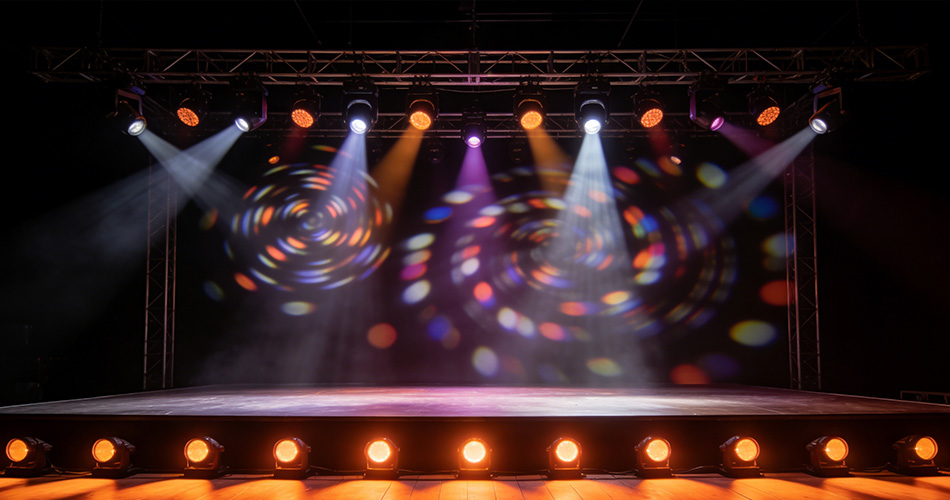
Theatrical stage lighting automation console interfaces are designed with the unique needs of stage productions in mind, featuring four core features that drive their value:
First, intuitive cue management and programming. These interfaces simplify the creation, editing, and storage of lighting cues—precise lighting configurations for specific moments in the performance. Designers can build cue lists using visual timelines, drag-and-drop functionality, or touchscreen controls, eliminating the need for complex coding. Automation capabilities allow cues to trigger automatically based on time, sound cues, or stage machinery movement, ensuring seamless transitions between scenes.
Second, real-time visual feedback. Advanced interfaces integrate visual previews, allowing designers to see how lighting changes will look on stage before finalizing cues. Some systems feature 3D stage visualization, enabling designers to map lighting effects to specific set elements or actor positions. This real-time feedback reduces the need for on-stage testing, saving rehearsal time and minimizing disruptions to the production team.
Third, multi-parameter control and synchronization. Theatrical stage lighting automation console interfaces enable control of multiple lighting parameters—intensity, color, beam angle, gobos, and effects—from a single interface. They also sync seamlessly with other production systems, such as sound, video, and motorized stage elements (e.g., lifts, curtains). For example, a lighting cue can trigger simultaneously with a musical climax or a video projection, creating a cohesive, immersive experience.
Fourth, user-customizable layouts. Interfaces allow technicians and designers to customize the console’s layout to match their workflow—saving frequently used controls, grouping cues by scene, or assigning shortcuts to complex effects. This personalization enhances efficiency, as users can access critical functions quickly without navigating through menus.
Theatrical stage lighting automation console interfaces are versatile, adapting to the unique requirements of different performance types and venues:
In traditional theaters and opera houses, these interfaces support complex, narrative-driven lighting schemes. For operas with elaborate sets and multiple acts, the console can store hundreds of cues, automating transitions between grand, sweeping lighting effects and intimate, focused illumination. The visual preview feature is particularly valuable here, allowing designers to refine lighting for large-scale productions without repeated on-stage rehearsals.
Live music venues and concert halls leverage the interfaces’ dynamic control capabilities. Lighting designers can sync cues to music beats, creating rhythmic lighting effects that enhance the audience’s musical experience. The interfaces also support quick adjustments, enabling technicians to adapt lighting in real time to the performer’s improvisations or audience reactions.
Touring productions benefit from the portability and flexibility of modern interfaces. Compact, rack-mountable consoles with intuitive interfaces allow lighting teams to set up and program lighting systems quickly in different venues. The ability to save and transfer cue lists ensures consistency across tour stops, maintaining the production’s artistic integrity regardless of the venue’s infrastructure.
Experimental and immersive theater productions push the boundaries of these interfaces, using them to control interactive lighting effects. For example, sensors placed on stage can trigger lighting changes when actors cross specific thresholds, creating a dynamic, responsive environment that blurs the line between performer and audience.
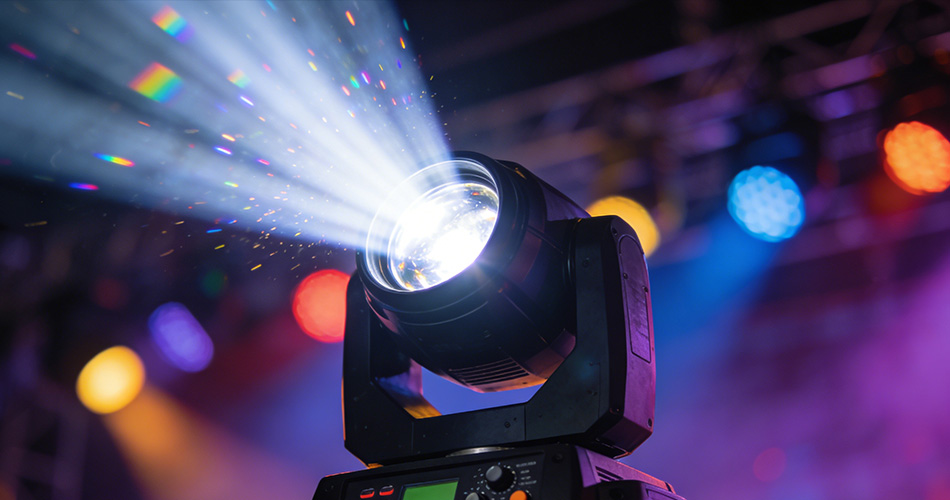
Beyond enhancing creative control, these interfaces deliver tangible benefits for production teams and venues:
Improved performance consistency is a key advantage. Automated cue triggering eliminates human error, ensuring that lighting cues are executed precisely the same way at every performance. This consistency is critical for touring productions or long-running shows, maintaining the designer’s vision and enhancing audience trust.
Reduced rehearsal and setup time. The intuitive programming tools and visual previews of theatrical stage lighting automation console interfaces cut down on the time needed to program and test lighting cues. This allows production teams to focus on other aspects of the performance, such as actor blocking or set design, and enables faster setup in new venues.
Enhanced creative collaboration. Interfaces with network connectivity allow multiple team members—lighting designers, programmers, and technicians—to work on the lighting scheme simultaneously, whether on-site or remotely. This collaboration streamlines the creative process, ensuring that all stakeholders contribute to the final lighting design.
Cost efficiency over time. While the initial investment in automated console interfaces may be higher than traditional systems, the reduced labor costs (fewer technicians needed for manual control) and lower risk of performance disruptions (which can lead to ticket refunds or reputational damage) deliver long-term savings. The ability to reuse cue lists for revivals or similar productions further enhances cost-effectiveness.
As live performance technology evolves, theatrical stage lighting automation console interfaces are poised to become even more intelligent and integrated:
One key trend is the integration of artificial intelligence (AI) for predictive cueing. AI-powered interfaces can analyze performance scripts or rehearsal footage to suggest lighting cues, helping designers streamline the programming process. They can also learn from a designer’s preferences, automating repetitive tasks and freeing up time for creative refinement.
Increased connectivity with immersive technologies is another emerging trend. Interfaces will sync with virtual reality (VR) and augmented reality (AR) tools, allowing designers to previsualize lighting effects in a virtual stage environment before the physical set is built. This reduces the need for on-site adjustments and enables more ambitious, immersive lighting designs.
Wireless and remote control capabilities will continue to expand. Future interfaces will enable full remote control via mobile devices or cloud-based platforms, allowing designers to monitor and adjust lighting from anywhere—whether backstage, in a rehearsal space, or off-site. This flexibility is particularly valuable for touring productions or multi-venue operations.
In conclusion, theatrical stage lighting automation console interfaces have revolutionized the way stage lighting is designed and executed, merging technical precision with creative freedom. Their ability to simplify complex cue management, sync with other production systems, and adapt to diverse performance types makes them indispensable for modern live performances. As AI, immersive technologies, and remote connectivity advance, these interfaces will play an increasingly vital role in shaping the future of theatrical lighting, enabling more innovative, engaging, and consistent performances. For venues and production teams looking to elevate their artistic output and operational efficiency, investing in high-quality theatrical stage lighting automation console interfaces is a strategic choice.


)
)
)
)

+86 15899791249

+86 755 2955 3313


Address: Huafeng No.1 Science and Technology Park, Sanwei, Bao'an District, Shenzhen, Guangdong, China.
