

Time:2025-10-10
In today's world, ensuring the safety of building occupants during emergencies is crucial. One vital component in achieving this is through the use of emergency lighting power packs. These devices provide backup power to emergency lights in case of a power failure, guiding individuals to safety. But how do you know if your emergency lighting power packs meet necessary safety standards? That’s where UL certification comes in. This article will explore the compliance requirements for UL-certified emergency lighting power packs and why they are essential for your building's safety.
UL, or Underwriters Laboratories, is a global safety certification company that sets industry-wide standards for new products and technologies. When a product is UL certified, it means it has been tested and meets strict safety standards. For emergency lighting power packs, UL certification ensures that these devices will perform reliably in an emergency, providing peace of mind for building owners and occupants alike.
Emergency lighting power packs play a crucial role in building safety systems. In the event of a power outage, these devices automatically switch on to provide illumination, helping individuals safely exit the building. Without them, navigating dark hallways and staircases can be dangerous, leading to potential injuries or panic. Ensuring these power packs are UL certified is essential because it guarantees they will function correctly when needed most.
Automatic Activation: Power packs automatically activate emergency lights during a power failure.
Consistent Illumination: They provide a steady light source for a specified period, usually enough time for a safe evacuation.
Battery Backup: These packs typically include a rechargeable battery, ensuring functionality even if the power is out for an extended period.
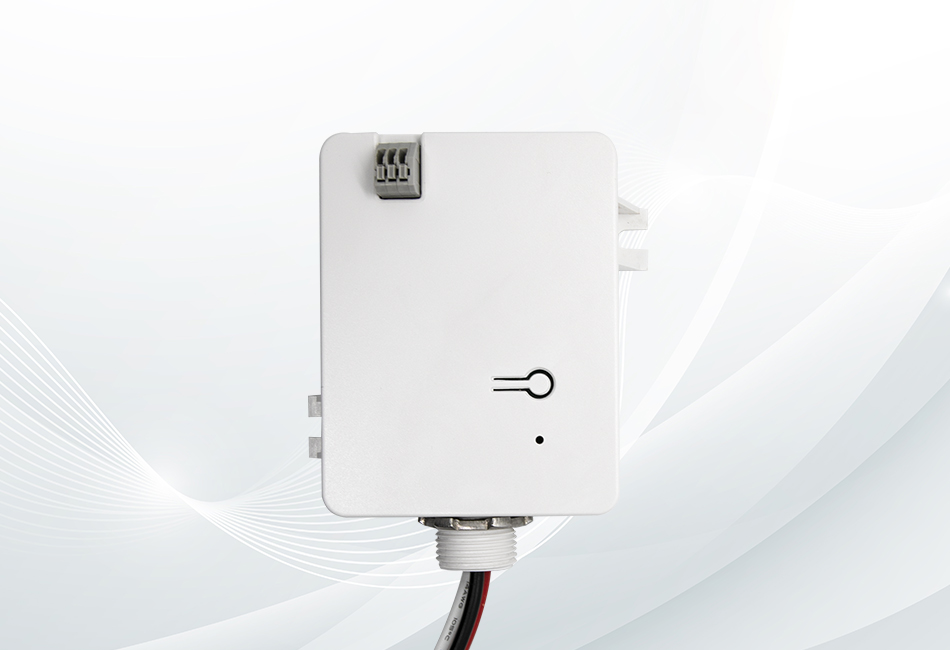
To achieve UL certification, emergency lighting power packs must comply with various safety standards. Here are the main compliance requirements:
The power packs undergo rigorous testing to ensure they can consistently deliver power to emergency lights during an outage. This includes tests for battery performance, load capacity, and the duration of light output.
Products must withstand various environmental conditions such as temperature fluctuations, humidity, and potential exposure to dust and water. This ensures the power packs can perform in different building environments.
UL certification requires that the construction and design of the power packs meet specific criteria. This includes the quality of materials used, the safety of the electrical components, and the overall durability of the product.
The power packs must meet strict electrical safety standards to prevent risks such as short circuits, overloading, or electrical fires. This involves testing the electrical components and ensuring proper insulation and grounding.
Compliance with UL certification requirements is not just about meeting legal standards. It’s about ensuring the safety and reliability of emergency power solutions. Here’s why it matters:
Safety Assurance: UL-certified products have been tested for safety, reducing the risk of failure during an emergency.
Regulatory Compliance: Many local building codes require UL-certified products for emergency lighting systems.
Peace of Mind: Knowing that your emergency lighting power packs are UL certified gives you confidence that they will work when needed.
Failing to comply with UL certification can have serious consequences. These include:
Increased Liability: In the event of an emergency, non-compliance could result in legal liabilities for building owners.
Higher Risk of Failure: Non-certified products may not perform reliably, increasing the risk of injury during evacuations.
Potential Fines: Regulatory bodies may impose fines on buildings that do not meet safety standards.
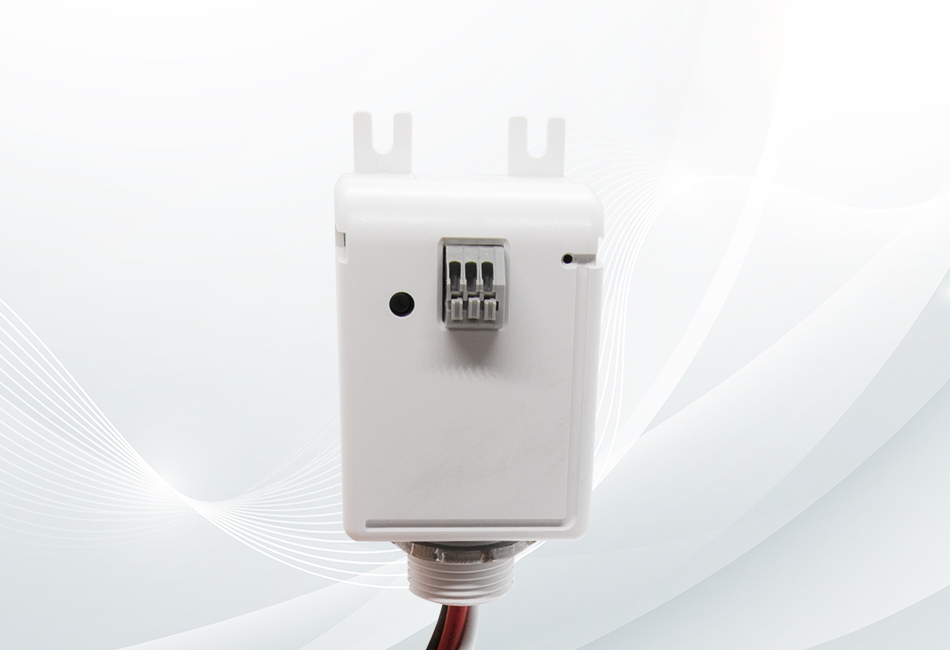
To ensure your emergency lighting power packs are UL certified, follow these steps:
Always buy power packs from reputable manufacturers who provide UL-certified products. Check for the UL mark on the product or packaging to confirm certification.
Conduct regular maintenance checks and tests on your emergency lighting system to ensure everything is functioning correctly. This includes checking battery life and replacing any faulty components.
Building codes and standards can change over time. Stay informed about any updates to UL certification requirements and ensure your systems are compliant.
Ensure that a qualified professional installs your emergency lighting power packs. Proper installation is crucial for the system's effectiveness and compliance with safety standards.
Emergency lighting power packs are a critical component of building safety systems, providing essential illumination during power failures. Ensuring these power packs are UL certified is vital for their reliability and effectiveness. By understanding and complying with UL certification requirements, building owners can ensure the safety of their occupants and meet regulatory standards. Always prioritize safety by choosing certified products, conducting regular maintenance, and staying informed about compliance requirements.
In the end, investing in UL-certified emergency power solutions not only safeguards lives but also offers peace of mind, knowing that you're prepared for any emergency.


)
)
)
)

+86 15899791249

+86 755 2955 3313


Address: Huafeng No.1 Science and Technology Park, Sanwei, Bao'an District, Shenzhen, Guangdong, China.
