

Time:2025-12-29
As the Internet of Things (IoT) and smart building technologies continue to expand, occupancy detection has become a cornerstone for optimizing energy usage, space management, and user comfort. However, traditional occupancy detection systems often suffer from high power consumption, limiting their application in wireless or off-grid environments. Ultra low power occupancy detection, which integrates energy-efficient hardware design, intelligent power management, and low-power communication protocols, addresses these limitations by minimizing energy consumption while maintaining reliable detection performance. This technology enables long-term operation of battery-powered sensors without frequent replacement, supporting flexible deployment in remote or hard-to-reach areas. For facility managers, IoT solution providers, and sustainability-focused organizations, adopting ultra low power occupancy detection is key to reducing operational costs, enhancing deployment flexibility, and advancing green building goals. This article explores the core advantages, targeted application scenarios, implementation guidelines, and future trends of ultra low power occupancy detection, highlighting its pivotal role in sustainable smart sensing ecosystems.
Traditional occupancy detection systems rely on high-power components and continuous operation, leading to significant limitations in practical applications. Most conventional sensors, such as wired PIR (Passive Infrared) sensors or camera-based systems, require constant power supply, restricting deployment to areas with accessible electrical infrastructure. This limits their use in remote locations like rural farmlands, outdoor parking lots, or historical buildings where wiring is impractical or costly.
For battery-powered traditional sensors, high power consumption results in frequent battery replacements, increasing maintenance costs and operational disruptions. In large-scale deployments—such as smart campuses or industrial parks—this translates to substantial labor and material expenses. Additionally, high-power systems often generate excessive heat and consume more energy overall, conflicting with global sustainability initiatives and green building certifications. These limitations highlight the need for ultra low power occupancy detection, which delivers reliable performance while minimizing energy usage and operational burdens.
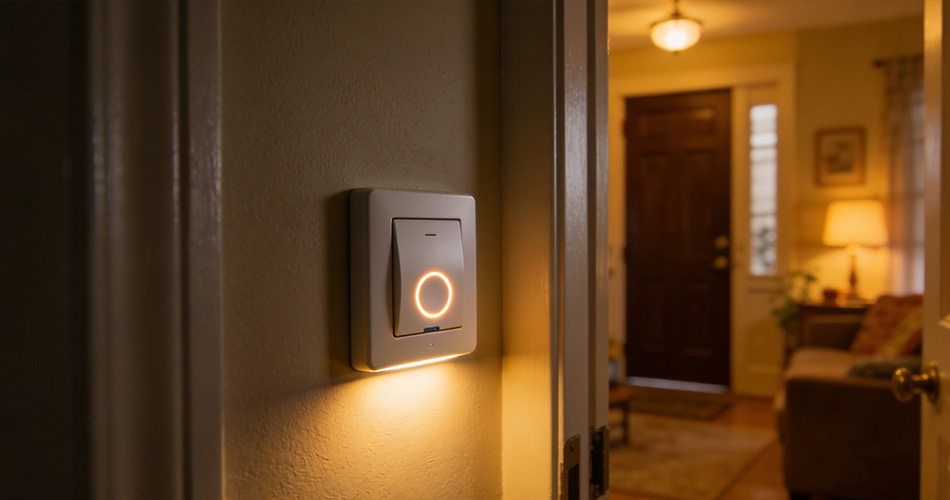
Ultra low power occupancy detection offers four key advantages that redefine the usability and sustainability of occupancy sensing solutions:
- Extended battery life for wireless deployment: By leveraging low-power hardware components (such as microcontrollers with deep sleep modes) and intelligent power management algorithms, ultra low power occupancy detection sensors can operate on a single battery for years—far longer than traditional systems. This eliminates the need for frequent battery replacements, reducing maintenance costs and minimizing environmental impact from battery waste.
- Flexible deployment in off-grid environments: Ultra low power sensors support wireless communication protocols like LoRaWAN or BLE (Bluetooth Low Energy), enabling deployment in areas without access to electrical grids. This flexibility is critical for applications such as remote environmental monitoring, outdoor lighting control, and agricultural occupancy sensing, where wired power is unavailable.
- Enhanced energy efficiency for green buildings: Beyond sensor operation, ultra low power occupancy detection contributes to overall building energy savings by optimizing the operation of lighting, HVAC, and other systems. By ensuring these systems only activate when occupancy is detected, and minimizing the sensor’s own energy footprint, it supports achieving sustainability goals and green building certifications (such as LEED).
- Privacy-preserving operation with low-power sensing: Advanced ultra low power solutions, such as TOF (Time of Flight) cameras or PIR sensors with optimized algorithms, avoid the high power consumption of traditional RGB cameras while preserving user privacy. These sensors capture only depth data or motion patterns without identifiable visual information, complying with regulations like GDPR while maintaining detection accuracy above 90% in standard scenarios.
Ultra low power occupancy detection excels in scenarios requiring long-term wireless operation, minimal maintenance, or off-grid deployment, delivering unique value across diverse industries:
- Smart Agriculture and Rural Facilities: In agricultural settings, ultra low power sensors monitor occupancy in farm sheds, greenhouses, or irrigation facilities. Powered by batteries or solar energy, these sensors operate year-round without maintenance, triggering irrigation or lighting systems only when workers are present. This reduces energy waste and supports sustainable farming practices.
- Remote Infrastructure Monitoring: For off-grid infrastructure like telecom base stations, pipeline monitoring stations, or mountainous weather stations, ultra low power occupancy detection ensures security by detecting unauthorized access. Wireless deployment eliminates the need for on-site power infrastructure, reducing installation costs and enabling rapid deployment in harsh environments.
- Heritage Buildings and Historical Sites: Historical buildings often prohibit extensive wiring to preserve architectural integrity. Ultra low power occupancy detection sensors can be deployed wirelessly to monitor visitor flow and control lighting, protecting cultural heritage while enhancing visitor experience and energy efficiency.
- Wireless Smart Office and Home Networks: In modern offices and homes, ultra low power sensors integrate with smart ecosystems via BLE or Wi-Fi (low-power modes), monitoring desk occupancy or room usage. Long battery life ensures seamless operation without disrupting daily activities, while supporting flexible rearrangement of spaces without rewiring.
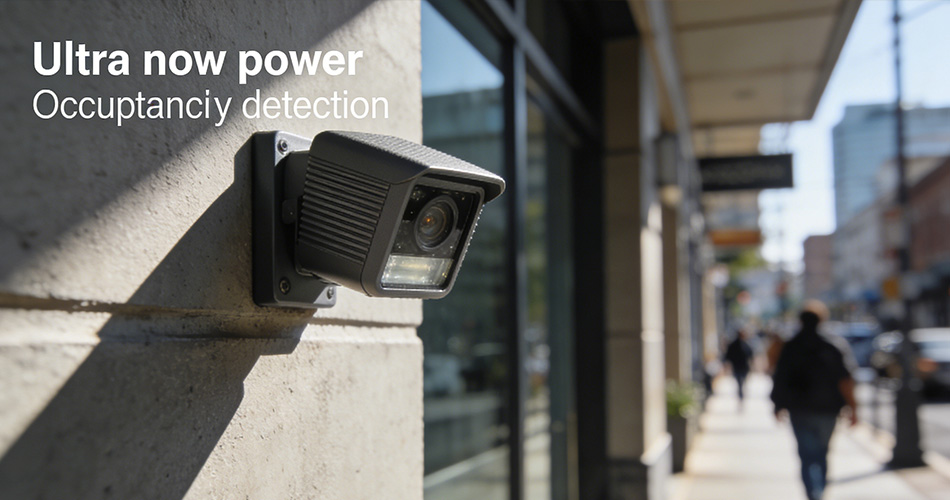
To maximize the performance and sustainability of ultra low power occupancy detection systems, follow these practical implementation guidelines:
- Select appropriate low-power sensing technologies: Choose sensing technologies matched to the application scenario. PIR sensors are ideal for motion detection with minimal power consumption, while TOF sensors offer privacy-preserving accurate occupancy counting. Avoid high-power RGB cameras unless necessary, opting for low-power alternatives that meet detection requirements.
- Opt for efficient wireless communication protocols: Select low-power wireless protocols based on deployment range and data requirements. LoRaWAN is suitable for long-range, low-data-rate applications (such as rural facilities), while BLE is ideal for short-range smart home or office environments. This minimizes communication-related power consumption.
- Implement intelligent power management strategies: Configure sensors to operate in cyclic "sleep-wake" modes, where they activate only periodically or when triggered by preliminary motion. Use energy-harvesting technologies (such as solar or kinetic energy) to supplement battery power, extending operational life further in suitable environments.
- Validate performance through low-power testing: Conduct comprehensive testing to verify power consumption and detection accuracy in real-world conditions. Use low-power analysis tools to monitor current draw during sleep and active modes, ensuring the system meets battery-life expectations. Validate detection performance across different occupancy patterns to ensure reliability.
Driven by advancements in IoT, AI, and energy-efficient technologies, ultra low power occupancy detection is evolving toward greater intelligence and integration:
- AI-optimized low-power algorithms: Future systems will integrate AI to optimize power usage dynamically. Machine learning algorithms will learn occupancy patterns, adjusting sensor wake-up frequencies and sensitivity to minimize energy consumption while maintaining accuracy. For example, sensors will reduce activation frequency during low-occupancy periods.
- Integration with energy-harvesting systems: Wider adoption of solar, kinetic, or thermal energy harvesting will enable self-sustaining ultra low power sensors. These sensors will operate indefinitely without battery replacements, further reducing environmental impact and maintenance costs.
- Multi-sensor data fusion for efficiency: Sensors will collaborate with other low-power devices (such as air quality or light sensors) to share data and reduce redundant activation. This multi-sensor fusion enhances detection accuracy while minimizing overall power consumption across the smart ecosystem.
- Standardization for interoperability: Industry standards for ultra low power occupancy detection will emerge, ensuring interoperability between different manufacturers’ devices. This will simplify deployment in multi-vendor smart building or IoT ecosystems, accelerating adoption across industries.
In conclusion, ultra low power occupancy detection is a transformative technology that addresses the limitations of traditional high-power systems, enabling sustainable, flexible, and cost-effective occupancy sensing. Its ability to extend battery life, support off-grid deployment, and enhance energy efficiency makes it indispensable in smart agriculture, remote infrastructure, heritage sites, and modern buildings. By following proper implementation guidelines—such as selecting appropriate sensing technologies and communication protocols—organizations can fully leverage its benefits to reduce costs and advance sustainability goals. As AI and energy-harvesting technologies advance, ultra low power occupancy detection will become even more intelligent and self-sufficient, playing a pivotal role in the future of sustainable IoT and smart building ecosystems. For anyone involved in smart sensing or sustainable building initiatives, prioritizing ultra low power occupancy detection is a strategic choice to drive efficiency, flexibility, and environmental responsibility.


)
)
)
)

+86 15899791249

+86 755 2955 3313


Address: Huafeng No.1 Science and Technology Park, Sanwei, Bao'an District, Shenzhen, Guangdong, China.
