

Time:2025-12-04
Warehouse gantries, as critical equipment for heavy-load handling and high-space operations, demand precise, reliable lighting to ensure operational safety and productivity. However, traditional gantry lighting control methods—often manual or decentralized—struggle to adapt to the dynamic nature of gantry operations, leading to issues like uneven illumination, energy waste, and delayed response to safety hazards. In this context, warehouse gantry lighting automation control panels have emerged as a targeted solution, integrating centralized automation with gantry-specific lighting needs to optimize illumination, reduce operational costs, and strengthen workplace safety. For modern warehouse operators aiming to streamline gantry operations and achieve sustainable efficiency, these control panels have become an indispensable component of industrial lighting systems.
Warehouse gantry operations present distinct lighting challenges that conventional control systems cannot adequately address. Gantries typically operate across large, high-span warehouse areas, moving heavy loads between different zones—from loading docks to storage racks. This dynamic movement requires lighting that can adapt in real time to the gantry’s position, ensuring consistent illumination of the working area without creating glare or dark spots that could lead to accidents. Additionally, gantry operations often involve coordination with other equipment (such as forklifts or conveyors) and personnel, demanding lighting that can sync with overall warehouse workflows.
Traditional lighting control methods, such as manual switches or basic timers, fail to meet these demands. Manual control requires personnel to adjust lighting as the gantry moves, wasting time and increasing the risk of human error. Timers operate on fixed schedules, leading to energy waste when lighting remains on in unused gantry zones or insufficient illumination when operations extend beyond scheduled hours. These inefficiencies not only drive up energy costs but also compromise safety, as inadequate lighting can lead to load-handling errors, collisions, or falls—major risks in gantry operations.
Warehouse gantry lighting automation control panels address these challenges by centralizing control and enabling real-time adaptation to gantry operations. By integrating with gantry movement sensors and warehouse management systems, these panels ensure that lighting is always aligned with the gantry’s position and operational status, eliminating the gaps of traditional control methods.
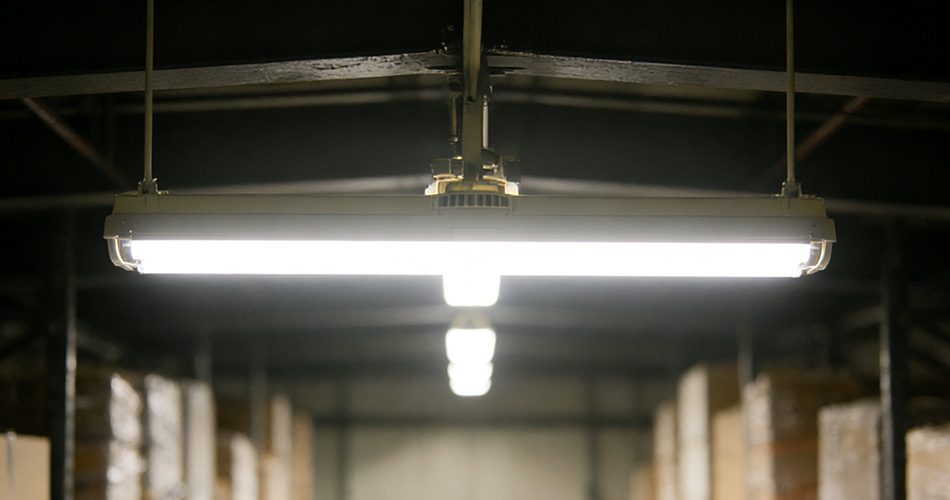
Warehouse gantry lighting automation control panels are designed with gantry-specific needs in mind, featuring three core functions that drive operational efficiency and safety.
First, centralized real-time position-based control. These panels connect to sensors installed on the gantry and throughout the warehouse, detecting the gantry’s exact position and movement trajectory. As the gantry moves, the control panel automatically activates lighting in the immediate working zone—such as the area below the gantry’s hoist or the path it is traveling—while dimming or turning off lighting in zones the gantry has left. This targeted illumination ensures that the working area is always brightly lit without wasting energy on unused spaces, addressing the dynamic nature of gantry operations.
Second, workflow synchronization and interlock control. Warehouse gantry lighting automation control panels can integrate with the warehouse’s overall management system and other equipment controls. For example, when the gantry is scheduled to pick up a load from the loading dock, the control panel can pre-activate lighting in that zone before the gantry arrives, ensuring seamless workflow coordination. Additionally, the panels can implement interlock controls with safety systems: if a safety hazard is detected (such as a personnel entering the gantry’s working zone), the panel can instantly adjust lighting to highlight the hazard and trigger alerts, enhancing accident prevention.
Third, customizable lighting profiles for diverse gantry tasks. Different gantry tasks (such as heavy-load lifting, precision positioning, or maintenance) require varying lighting intensities and angles. Warehouse gantry lighting automation control panels allow operators to program customizable lighting profiles for each task. For precision positioning tasks, the panel can activate high-intensity, focused lighting to ensure accurate load alignment; for maintenance work, it can dim peripheral lighting to reduce glare and improve visibility of mechanical components. This customization ensures that lighting supports the specific requirements of each task, boosting productivity and reducing errors.
The adoption of warehouse gantry lighting automation control panels delivers tangible benefits across operational safety, efficiency, and cost savings.
Safety is significantly enhanced by eliminating lighting-related hazards. Consistent, position-aligned illumination eliminates dark spots and glare, reducing the risk of load misalignment, collisions, and falls. The interlock control with safety systems further strengthens accident prevention, as lighting alerts can quickly draw attention to hazards. A case study of a logistics warehouse with 10 gantry cranes found that implementing automated control panels reduced lighting-related safety incidents by 68% within the first year.
Operational efficiency is boosted by reducing manual intervention and streamlining workflows. With automated lighting adjustments, gantry operators no longer need to manage lighting, allowing them to focus entirely on load-handling tasks. The synchronization with warehouse workflows ensures that lighting does not cause delays, keeping gantry operations running smoothly. Additionally, the customizable lighting profiles improve task accuracy, reducing the time spent on rework or adjustments—particularly for precision tasks like load positioning.
Financial benefits stem from reduced energy costs and lower maintenance expenses. By limiting lighting to active gantry zones, the control panels cut energy use by 35-50% compared to traditional systems. For a large warehouse with multiple gantries operating 24/7, this translates to significant annual savings. Additionally, the automated control reduces unnecessary wear on lighting fixtures by minimizing continuous operation, extending their lifespan and reducing the frequency of replacements and maintenance calls.

As industrial automation and smart warehouse technology advance, warehouse gantry lighting automation control panels are evolving to become more intelligent and integrated.
One key trend is the integration of artificial intelligence (AI) and machine learning. AI-powered control panels can analyze historical data on gantry operations—including movement patterns, task frequencies, and safety incidents—to optimize lighting profiles automatically. For example, the system can learn that certain gantry routes are used more frequently during peak hours and adjust lighting pre-activation times to ensure optimal illumination without waste. Machine learning also enables predictive maintenance, as the panel can detect abnormal lighting or sensor performance and alert maintenance teams before failures occur.
Another trend is remote and mobile management. Modern control panels are increasingly equipped with cloud-based connectivity, allowing warehouse managers to monitor and adjust gantry lighting from anywhere via a mobile app or desktop dashboard. This remote access enables quick responses to unexpected operational changes—such as adjusting lighting for emergency maintenance or extended shifts—and provides real-time data on energy use and system performance, supporting data-driven decision-making.
Integration with the Internet of Things (IoT) ecosystem is also shaping the future of these control panels. By connecting to a broader network of warehouse sensors and equipment, the panels can contribute to a holistic smart warehouse system. For example, lighting data can be combined with gantry performance data and inventory tracking to optimize overall warehouse operations, creating a more efficient and interconnected industrial environment.
In conclusion, warehouse gantry lighting automation control panels are a critical innovation for modern warehouse operations, addressing the unique lighting challenges of gantry systems while enhancing safety, efficiency, and cost savings. Their ability to deliver real-time, position-aligned lighting control, sync with workflows, and support customizable tasks makes them indispensable for gantry operations. As AI, remote management, and IoT integration advance, these control panels will become even more intelligent, solidifying their role as a cornerstone of safe, efficient, and sustainable smart warehouse operations.


)
)
)
)

+86 15899791249

+86 755 2955 3313


Address: Huafeng No.1 Science and Technology Park, Sanwei, Bao'an District, Shenzhen, Guangdong, China.
