

Time:2025-10-22
In the modern world, lighting systems have evolved beyond simple illumination. Today, they are integral components of smart buildings and cities, contributing to energy efficiency, safety, and even data communication. As such, commissioning a wide lighting network requires a detailed, systematic approach to ensure optimal performance. This article provides a comprehensive guide to commissioning wide area lighting networks.
Wide area lighting networks refer to systems where lighting devices are interconnected across a large geographical area. These networks are often used in cities, industrial complexes, and large commercial buildings to provide efficient and intelligent lighting solutions. The primary goal is to ensure that the entire area is adequately illuminated while optimizing energy usage and enabling smart control features.
Commissioning is a critical phase in the installation of a wide area lighting network. It involves a series of tests and adjustments to verify that the system meets design specifications and operates efficiently. Proper commissioning ensures that the lighting network:
Provides consistent and adequate illumination
Operates at optimal energy efficiency
Integrates seamlessly with other building systems
Is ready for future expansions or modifications

Before the actual commissioning begins, certain preparatory steps must be undertaken to set the stage for a successful installation.
Begin by reviewing the lighting system design. Ensure that all components are accounted for and that the design meets the specific lighting needs of the area. This step may involve checking the layout, fixture specifications, and control systems.
Inspect all lighting equipment upon arrival. Check for any physical damage and verify that each component matches the specifications outlined in the design. This step is crucial to prevent any installation delays or system failures.
Ensure that all components are installed according to the design plan. This includes verifying the correct placement of fixtures, proper wiring, and secure mounting. Installation verification is crucial for the subsequent testing phases.
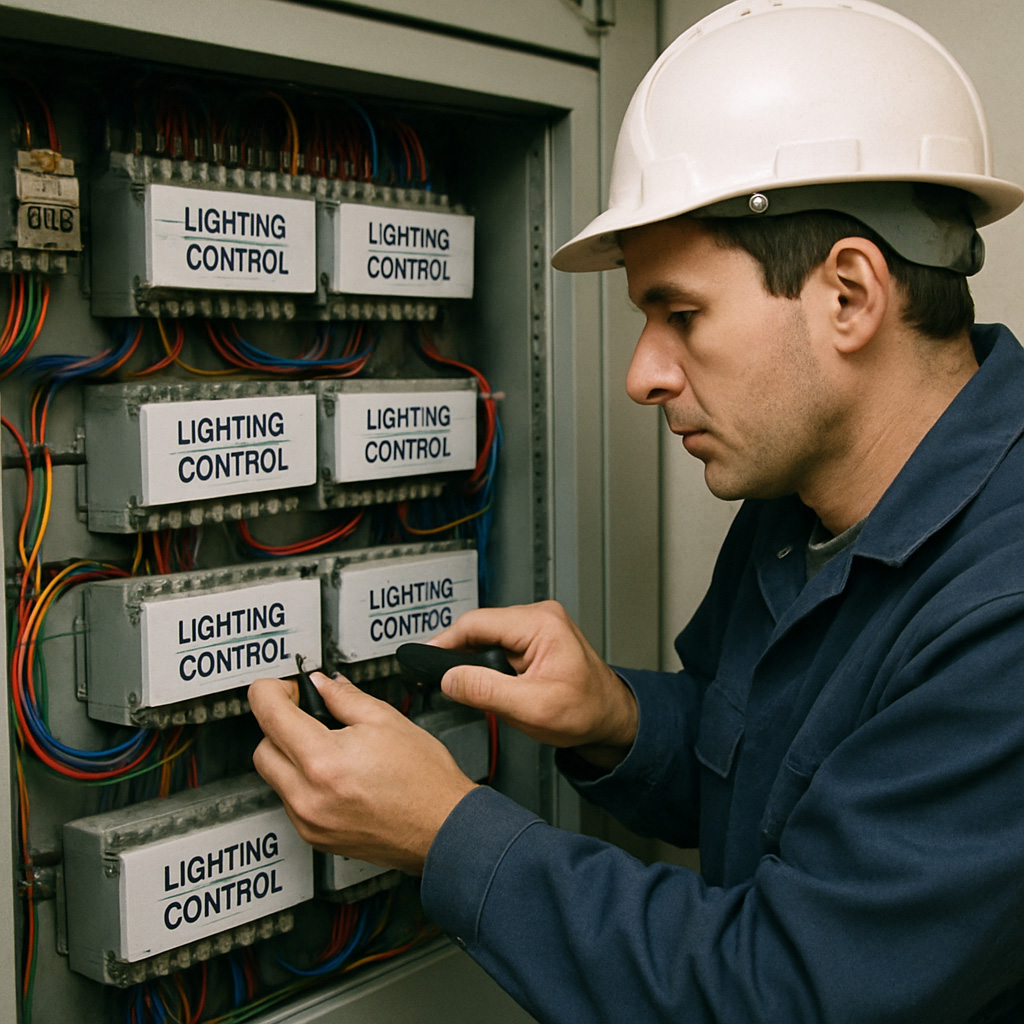
The commissioning process involves a series of tests and adjustments to ensure that the lighting network functions as intended.
Functional testing is conducted to verify that each component of the lighting network operates correctly. This includes:
Switching tests to check if lights turn on/off as expected
Dimmer tests to ensure proper light intensity control
Sensor tests to verify motion detection and daylight harvesting features
This phase involves testing the integration of the lighting network with other building systems, such as HVAC and security systems. Confirm that the lighting system can communicate effectively with these systems and respond to commands appropriately.
Conduct performance testing to ensure that the lighting network meets energy efficiency targets. Measure power consumption and verify that it aligns with design specifications. This step is essential for identifying any inefficiencies or areas for improvement.
Document all commissioning activities, including test results, adjustments made, and any deviations from the design. This documentation will serve as a valuable reference for future maintenance and troubleshooting.
Additionally, provide training to building operators and maintenance staff. Ensure they understand how to operate the lighting system and are familiar with its features and controls.
Once commissioning is complete, there are several follow-up activities to ensure the continued success of the lighting network.
Implement a system for continuous monitoring of the lighting network. This could involve automated alerts for system faults or regular inspections to ensure everything is functioning correctly. Ongoing monitoring helps in early detection of issues, reducing downtime and maintenance costs.
Schedule regular maintenance activities to keep the lighting network in top condition. This includes cleaning fixtures, replacing faulty components, and updating control software as needed. Regular maintenance helps extend the lifespan of the system and ensures consistent performance.
Look for opportunities to optimize the lighting network over time. As technology evolves, new solutions may become available that improve efficiency or add functionality. Stay informed about the latest developments in lighting technology and consider upgrades when beneficial.
Commissioning a wide area lighting network is a critical process that ensures the system operates efficiently and meets the intended design goals. By following a structured approach, from pre-commissioning steps to post-commissioning activities, you can achieve a well-functioning, reliable lighting network that enhances the environment it serves.
This guide provides a roadmap for commissioning, but each project may have unique requirements. Tailor these procedures to fit your specific needs, and always prioritize safety and quality throughout the process. With proper planning and execution, your wide area lighting network can deliver exceptional performance and value for years to come.


)
)
)
)

+86 15899791249

+86 755 2955 3313


Address: Huafeng No.1 Science and Technology Park, Sanwei, Bao'an District, Shenzhen, Guangdong, China.
