

Time:2025-11-28
Commercial smart lighting systems, powered by intelligent sensors, controllers, remotes, gateways, and switches, are reshaping modern building efficiency and user experience—with wireless lighting control installation emerging as the cornerstone of their successful deployment. Unlike traditional wired lighting, wireless systems demand specialized installation expertise to ensure stable connectivity, seamless component integration, and long-term performance. For businesses investing in commercial smart lighting and the professionals tasked with implementation, mastering wireless lighting control installation is not just a technical requirement; it is a strategic investment that unlocks the full potential of smart lighting technology while mitigating operational risks.
Wireless lighting control systems offer unparalleled flexibility for commercial environments—from offices and retail stores to hotels and industrial facilities—eliminating costly wiring, enabling dynamic lighting scenes, and integrating with broader building management ecosystems. However, subpar wireless lighting control installation can undermine these advantages, leading to issues like signal dead zones, inconsistent sensor response, controller-gateway communication failures, and increased energy waste. These problems not only disrupt daily operations (e.g., uneven lighting in retail aisles, unresponsive office lighting controls) but also reduce the return on investment and damage the reliability of the smart lighting system.
Professional wireless lighting control installation addresses these risks by combining technical expertise with industry-specific best practices. It ensures that every component—from occupancy sensors to central gateways—is installed and configured to work in harmony, leveraging wireless protocols (e.g., Zigbee, BLE) optimized for commercial spaces. For businesses, this translates to consistent lighting performance, maximized energy savings, and a seamless user experience. For installation professionals, it builds credibility and differentiates their services in a competitive market driven by the growing demand for smart lighting solutions.

Successful wireless lighting control installation in commercial spaces relies on a structured, proactive approach that covers every phase of the process. Below are the key best practices that ensure reliability, efficiency, and long-term performance:
The foundation of effective wireless lighting control installation lies in thorough pre-installation planning. This includes conducting a detailed site assessment to identify potential signal interference sources (e.g., metal structures, dense walls, other IoT devices), mapping optimal component placement for uniform signal coverage, and selecting the right wireless protocol based on space size and usage (e.g., BLE for small offices, Zigbee for large retail floors). Planning also involves aligning the installation with business operations—for example, scheduling work during off-hours to avoid disrupting retail customers or office staff—and verifying compatibility between all components (sensors, controllers, gateways) to prevent integration issues.
A critical phase of wireless lighting control installation is the precise integration and configuration of smart components. Professionals must ensure proper pairing of sensors with controllers, secure connection of gateways to the central management platform, and calibration of lighting settings to align with business needs (e.g., setting occupancy sensor sensitivity for high-traffic retail areas vs. low-activity storage spaces). This also includes programming custom lighting scenes (e.g., “meeting mode” for offices, “promotion mode” for retail) and testing remote control functionality to ensure seamless operation across all user interfaces—from mobile apps to wall-mounted switches.
Wireless connectivity is the lifeline of lighting control systems, making signal optimization a non-negotiable step in wireless lighting control installation. Professionals use signal strength tools to identify and resolve dead zones, adjust antenna placement for gateways, and implement repeaters if needed to extend coverage in large or complex spaces. Post-installation reliability testing is equally important: this involves simulating real-world usage (e.g., triggering occupancy sensors, switching lighting scenes) to verify consistent performance, testing system response times, and ensuring stable connectivity even during peak network usage.
Professional wireless lighting control installation must adhere to global safety codes and industry standards (e.g., NEC, IEC) to protect building occupants and ensure legal compliance. This includes proper handling of low-voltage components, securing wiring connections (where necessary for power sources), and verifying that all installed equipment meets safety certifications. Compliance not only mitigates legal and safety risks but also ensures the system is eligible for energy efficiency rebates often available to commercial businesses investing in smart lighting.

For commercial businesses, investing in professional wireless lighting control installation delivers tangible returns. It ensures the smart lighting system operates at peak efficiency, reducing energy consumption by 30-50% through automated controls and optimized settings. Reliable installation also minimizes downtime and maintenance costs, as properly configured systems are less prone to malfunctions. Additionally, a well-installed wireless lighting control system enhances user experience—boosting employee productivity in offices, improving customer engagement in retail spaces, and elevating guest satisfaction in hotels—directly contributing to business success.
For installation professionals and system integrators, expertise in wireless lighting control installation is a key differentiator. As commercial smart lighting adoption grows, businesses increasingly seek certified, experienced installers who can deliver reliable, high-performance systems. Mastering installation best practices not only opens doors to high-profile commercial projects but also builds long-term client trust through consistent, high-quality results.
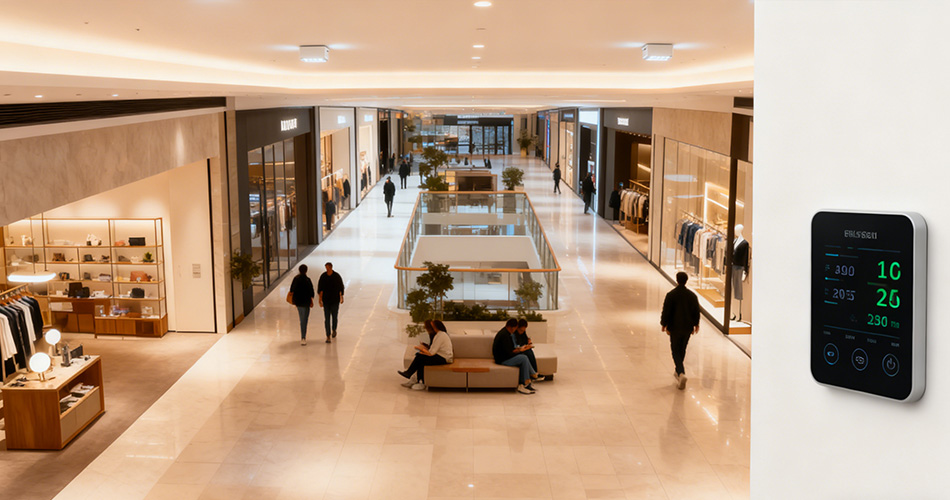
Wireless lighting control installation is more than a technical task—it is a critical step in unlocking the full value of commercial smart lighting systems. By following best practices for site planning, component integration, signal optimization, and compliance, businesses can ensure their wireless lighting control systems are reliable, efficient, and tailored to their operational needs. When paired with high-quality components like intelligent sensors, controllers, and gateways, professional installation creates a seamless smart lighting ecosystem that drives efficiency, enhances user experience, and supports long-term business growth.
Whether you’re a business upgrading to smart lighting or a professional offering installation services, prioritizing wireless lighting control installation excellence is a strategic decision that safeguards your investment and sets the standard for commercial smart lighting success. Embrace professional installation practices to maximize the impact of your wireless lighting control system.


)
)
)
)

+86 15899791249

+86 755 2955 3313


Address: Huafeng No.1 Science and Technology Park, Sanwei, Bao'an District, Shenzhen, Guangdong, China.
