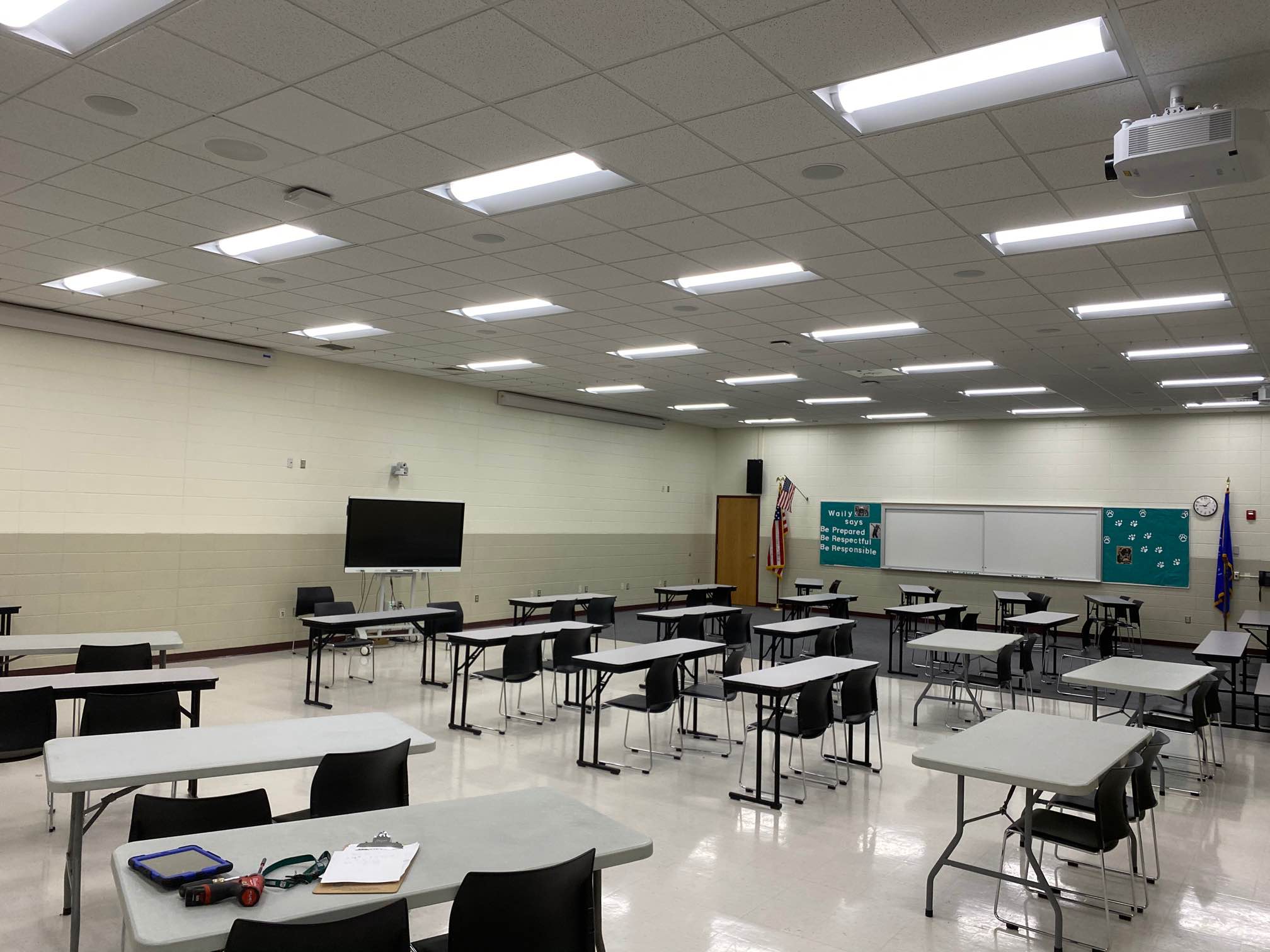
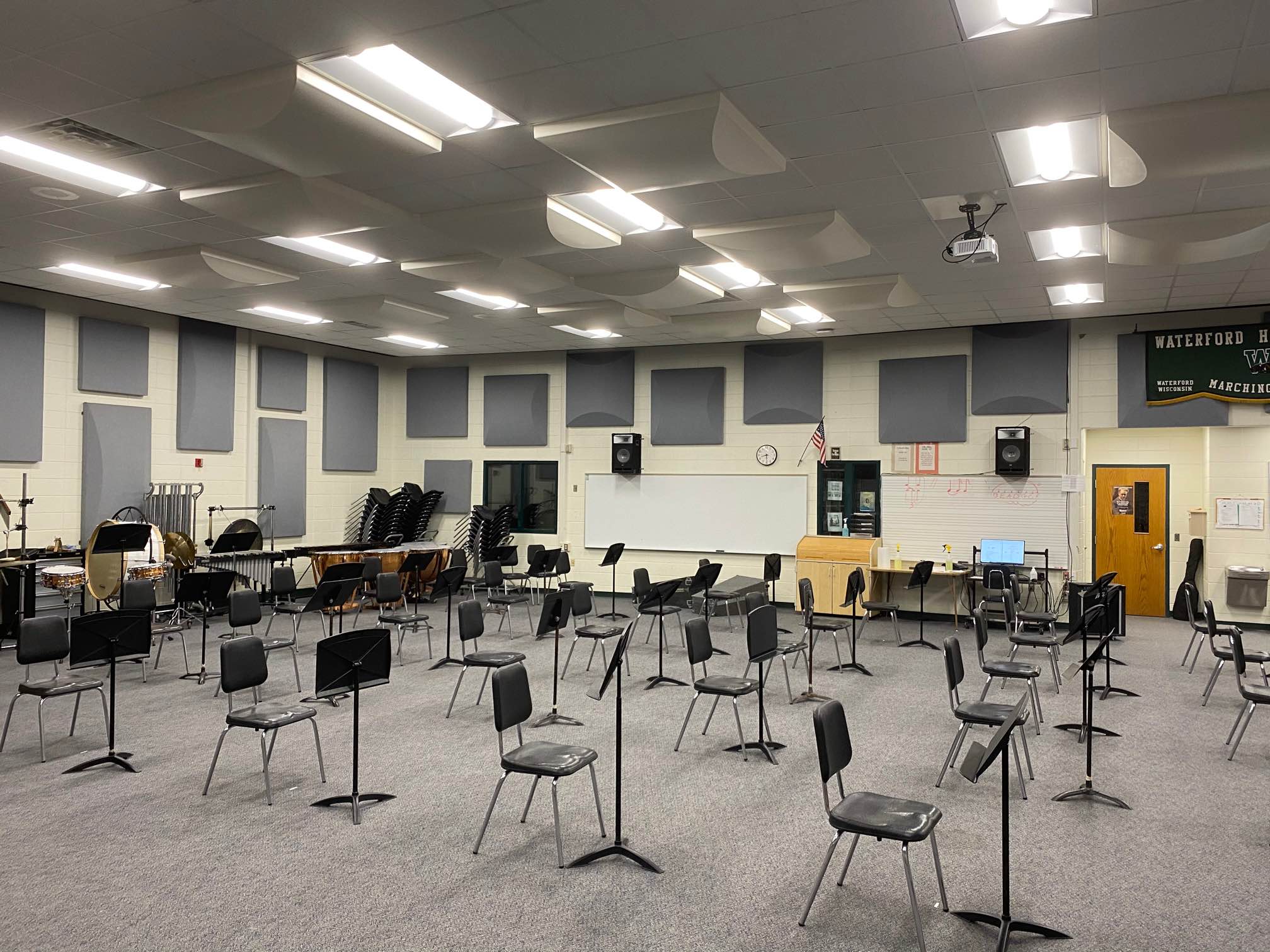
Wisconsin School Lighting Retrofit Project Snapshot
Item | Project Detail |
Location | Wisconsin, USA |
Building Type | School / Educational Facility |
Project Type | Smart lighting retrofit |
Main Fixtures | 2,500 pcs 2x4 troffer fixtures |
High-Ceiling Fixtures | 520 pcs 2x4 linear high bay fixtures |
Sensor | Linear smart sensor type B |
Sensor Design | Plug-and-play |
Main Features | Occupancy sensing, daylight harvesting, scheduling, zoning, dimming, tunable white, wireless control, centralized management |
Core Value | Reduce lighting energy waste by reducing unnecessary runtime |
Why the School Needed Smarter Lighting Control
In school retrofit projects, the biggest control value is not only lower wattage, but also reduced full-output runtime in unused or naturally lit areas.
Schools have highly variable lighting needs throughout the day. Classrooms, corridors, offices, gyms, storage rooms, and shared spaces are not used in the same way. Some areas are occupied continuously during school hours, while others are used only during class changes, sports activities, cleaning periods, or after-school events.
With traditional lighting control, lights may stay at full output even when spaces are vacant or when enough daylight is available. Over time, this creates unnecessary energy waste and increases the workload for facility teams.
For this Wisconsin school project, the goal was not only to replace fixtures. The goal was to create a more adaptive lighting system that could match how the building was actually used.
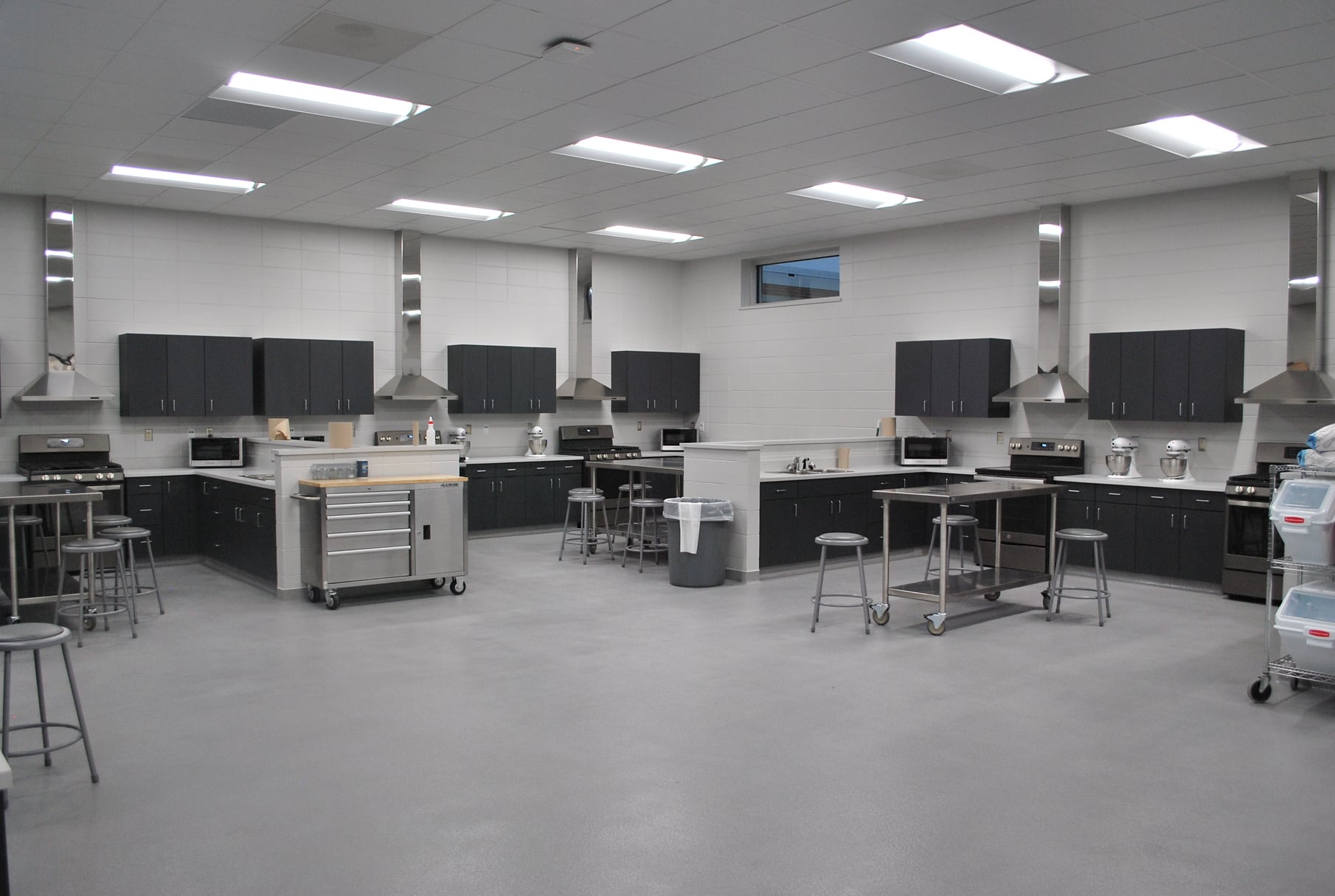
What Lighting Control Solution Was Used in This School Project?
The project combined LED fixtures, plug-and-play smart sensors, wireless lighting control, tunable white lighting, gateways, and centralized platform management.
The 2x4 troffer fixtures were used in classrooms, offices, corridors, and general indoor areas. The 2x4 linear high bay fixtures were used in gyms, activity areas, and higher-ceiling spaces. The linear smart sensor type B helped simplify installation with a plug-and-play design.
Networked Lighting Controls connected fixtures, sensors, gateways, and software into one coordinated system. Wireless lighting control, including Bluetooth mesh lighting, supported flexible device communication and helped simplify retrofit work. The gateway and centralized platform allowed facility teams to adjust schedules, zones, dimming levels, sensor parameters, and lighting scenes remotely.
Together, these components helped the school move from basic on/off lighting operation to an adaptive, occupancy-responsive lighting control model.
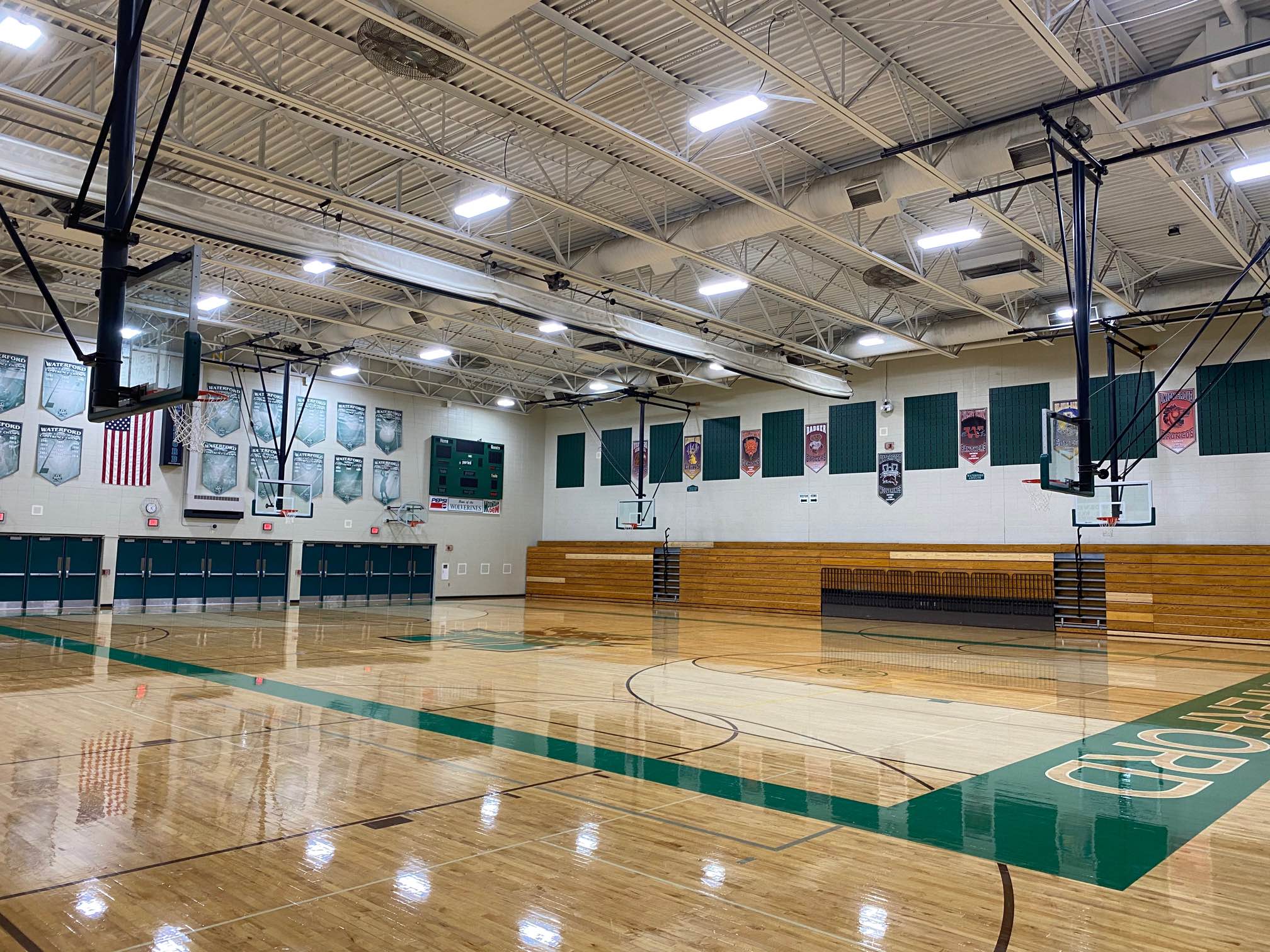
Traditional Lighting Control vs Networked Lighting Controls for Schools
Category | Traditional Lighting Control | Networked Lighting Controls |
Control Logic | Manual switches, timers, or isolated sensors | Fixtures, sensors, gateways, and software work together |
Energy Saving | Mainly reduces fixture wattage through LED | Reduces both wattage and unnecessary runtime |
Occupancy Response | Limited or manual | Lights can dim or turn off when spaces are vacant |
Daylight Use | Often not responsive | Daylight harvesting reduces electric light when natural light is sufficient |
Scheduling | Fixed or manually adjusted | Configurable by room, zone, time period, or activity |
Zoning | Large areas controlled together | Different areas can follow customized lighting strategies |
Management | Mostly local and manual | Centralized platform supports remote adjustment and monitoring |
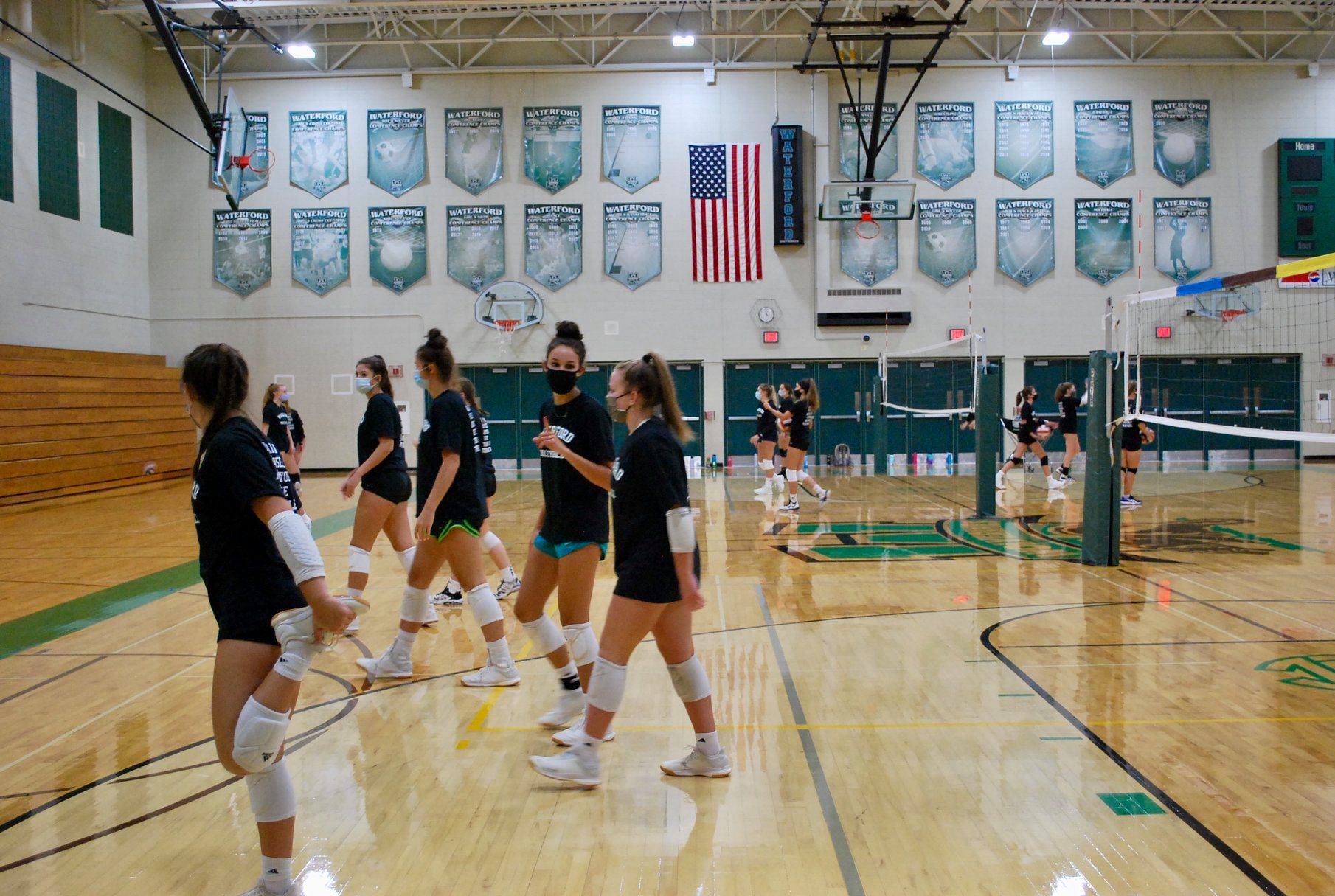
How Networked Lighting Controls Reduce School Lighting Energy Waste
Networked Lighting Controls help schools reduce lighting energy waste by combining occupancy sensing, daylight harvesting, scheduling, zoning, dimming, and centralized management.
The main source of lighting energy waste in many school buildings is not only fixture wattage. It is also unnecessary runtime.
In classrooms and offices, occupancy sensing can reduce lighting operation when spaces are empty. In corridors and shared areas, lighting can respond to movement patterns instead of remaining at full brightness all day. In naturally lit areas, daylight harvesting can reduce electric light output when enough daylight is available.
In gyms and activity areas, zoning and dimming allow different spaces to operate at suitable light levels based on actual use. Tunable white lighting also gives the school more flexibility for learning, presentations, sports, events, cleaning, and maintenance.
The centralized platform gives facility teams a practical way to manage lighting schedules, dimming levels, sensor settings, and zones without adjusting each fixture manually.
Why Plug-and-Play Smart Sensors Matter in Large School Retrofits
Plug-and-play smart sensors are especially useful in large school projects because they reduce wiring complexity and make installation more repeatable across classrooms, corridors, gyms, and shared spaces.
This project involved more than 3,000 fixtures, so installation efficiency was important. The linear smart sensor type B helped simplify deployment through its plug-and-play design.
For large school lighting retrofit projects, plug-and-play sensors can help shorten installation time, reduce wiring complexity, improve sensor placement consistency, simplify commissioning, and support scalable deployment across classrooms, corridors, gyms, and shared spaces.
For electrical contractors and ESCOs, these factors can affect labor planning, project timelines, and repeatability. For facility teams, easier installation and centralized management also make the system easier to maintain after deployment.
see our products:
Liner High Bay
indoor plug-play sensor
ROI Factors for School Lighting Control Projects
The return on investment for a smart lighting control system depends on both energy savings and operational efficiency.
Important ROI drivers include reduced lighting runtime, lower energy consumption, less manual operation, easier retrofit installation, remote adjustment of control settings, better daylight use, and possible local utility rebates.
Savings vary depending on fixture wattage, operating hours, occupancy patterns, daylight availability, electricity rates, and control settings. The most accurate ROI estimate should be based on the school’s real usage data and local energy-efficiency incentive programs.
However, the basic logic is clear:
A lighting system becomes more efficient when it reduces both wattage and runtime.

Key Takeaway
This Wisconsin school smart lighting retrofit demonstrates how Networked Lighting Controls can improve lighting efficiency, flexibility, and system management in educational buildings.
By combining LED fixtures, plug-and-play smart sensors, wireless lighting control, tunable white lighting, gateways, and centralized platform management, the school created a more adaptive lighting system for classrooms, corridors, gyms, offices, and shared spaces.
For facility managers, building owners, electrical contractors, energy managers, ESCOs, and commercial retrofit decision-makers, the lesson is simple:
A better lighting retrofit is not only about installing efficient fixtures. It is also about using smarter controls to reduce unnecessary lighting runtime.
FAQ
What are Networked Lighting Controls?
Networked Lighting Controls are connected lighting systems that link fixtures, sensors, gateways, and software into one coordinated control network.
How did Networked Lighting Controls help this Wisconsin school project?
They helped reduce unnecessary lighting runtime through occupancy sensing, daylight harvesting, scheduling, zoning, dimming, tunable white scenes, and centralized platform management.
What is the difference between LED lighting and lighting controls?
LED lighting reduces fixture wattage. Lighting controls reduce unnecessary runtime and full-output operation.
Why are plug-and-play sensors useful in large lighting projects?
Plug-and-play sensors can shorten installation time, reduce wiring complexity, simplify commissioning, and support large-scale deployment.
What types of buildings can use this lighting control strategy?
This strategy can be used in schools, offices, warehouses, hospitals, parking garages, industrial facilities, retail spaces, and other commercial buildings with variable occupancy patterns.




)
)
)
)


