Email:info@lumieasy.com

Home >  System > 

INTELLIGENT LIGHTING

CONTROL SYSTEM.

Smart Lighting Remote: Revolutionizing User Control and Ecosystem Integration in Smart Spaces
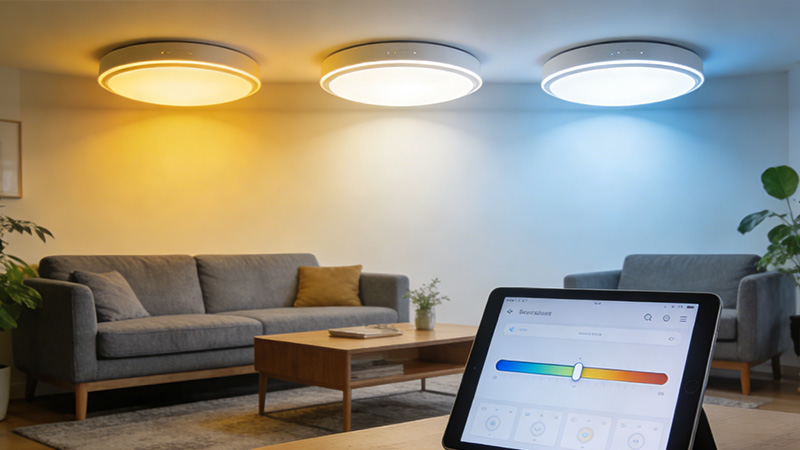
In the era of IoT-driven smart space transformation, lighting control has evolved from basic on-site operation to intelligent remote management. Smart lighting remote, as a core interface connecting users and smart lighting systems, enables seamless control of lighting devices via cloud platforms, mobile apps, or voice assistants—breaking the constraints of time and location. Unlike traditional remote controls that only support single-function, single-brand operation, modern Smart lighting remote integrates multi-device compatibility, scenario-based customization, and cross-system linkage capabilities, redefining the interaction mode between humans and lighting. For homeowners, facility managers, and business operators, Smart lighting remote is not only a control tool but also a key enabler of energy efficiency, user comfort, and operational optimization. This article explores the core value, diversified application scenarios, implementation guidelines, and future trends of Smart light

Smart Lighting Remote Replacement: Enhancing Efficiency and System Synergy in Modern Smart Spaces
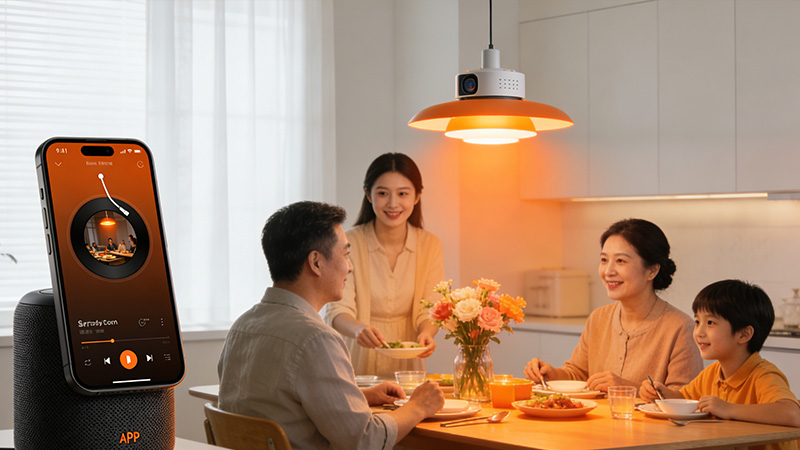
Smart lighting systems have become the backbone of energy-efficient and user-centric built environments, spanning residential, commercial, and public spaces. As these systems evolve, the need for seamless maintenance and upgrades has grown—with smart lighting remote replacement emerging as a critical solution. Defined as the process of remotely identifying, configuring, and deploying replacement components for smart lighting systems (e.g., smart bulbs, controllers, sensors) via cloud platforms or mobile interfaces, smart lighting remote replacement eliminates the inefficiencies of traditional on-site replacement. It enables facility managers and homeowners to maintain system performance, adapt to evolving needs, and minimize operational disruption. For organizations investing in smart space transformation and individuals upgrading home lighting, mastering smart lighting remote replacement is key to unlocking long-term efficiency and maximizing the value of smart lighting ecosystems. Th

Emergency Lighting Remote Replacement Procedures: Ensuring Safety, Compliance, and Operational Continuity
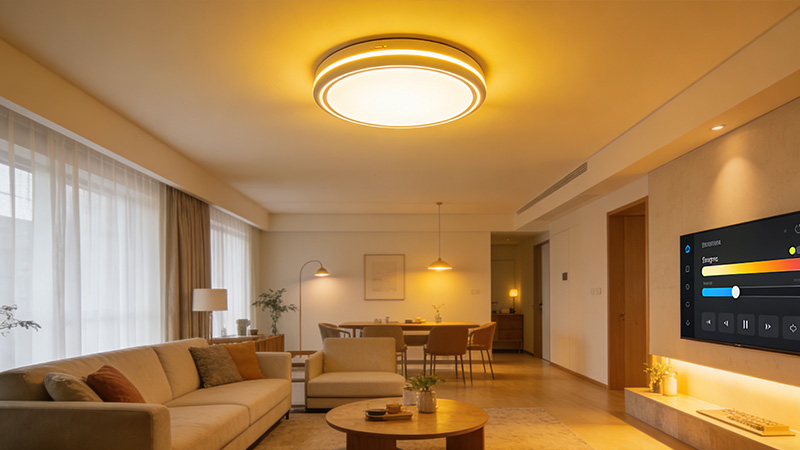
Emergency lighting systems are critical for safeguarding occupants and maintaining compliance with safety regulations in all built environments. As smart technologies integrate into emergency lighting, remote management capabilities have become essential—including remote replacement of faulty or outdated emergency lighting components. Emergency lighting remote replacement procedures, defined as the standardized steps for remotely identifying, configuring, and deploying replacement emergency lighting devices (e.g., remote controllers, sensors, power modules), address the inefficiencies and risks of traditional on-site replacement. These procedures minimize downtime, reduce on-site safety hazards, and ensure seamless compliance with local and international safety standards. For facility managers, safety officers, and building operators, mastering emergency lighting remote replacement procedures is pivotal to maintaining reliable emergency lighting systems while optimizing operational eff

Universal Smart Lighting Remote Compatibility: Breaking Brand Barriers for Seamless Smart Lighting Management
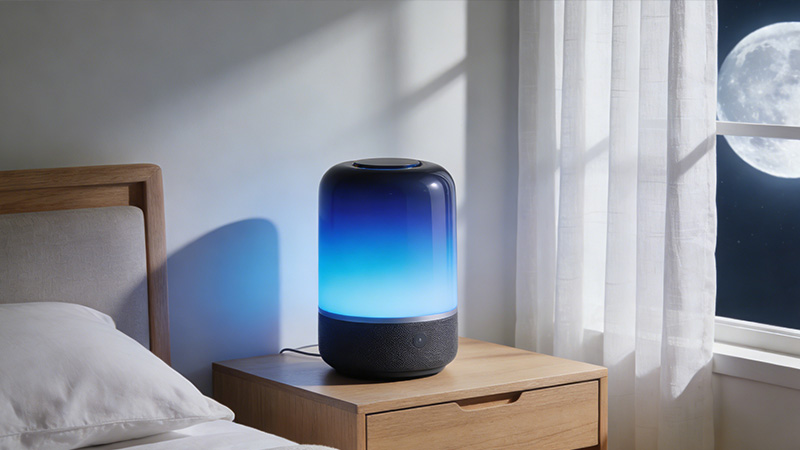
As smart lighting systems become increasingly prevalent in residential, commercial, and public spaces, a critical challenge emerges: the fragmentation of lighting brands and communication protocols. Most traditional smart lighting remotes are brand-specific, failing to work with fixtures or controllers from different manufacturers. This incompatibility creates operational chaos, increases upgrade costs, and limits the scalability of smart lighting deployments. Universal smart lighting remote compatibility—defined as the ability of a single smart lighting remote to integrate and control lighting devices across diverse brands, protocols, and generations—has become a pivotal solution to this fragmentation. It enables seamless cross-device management, simplifies system integration, and unlocks the full potential of mixed-brand smart lighting ecosystems. For facility managers, homeowners, and business operators, universal smart lighting remote compatibility is the cornerstone of building fl

Smart Lighting Remote: Empowering User-Centric Control and Efficient Management for Modern Spaces

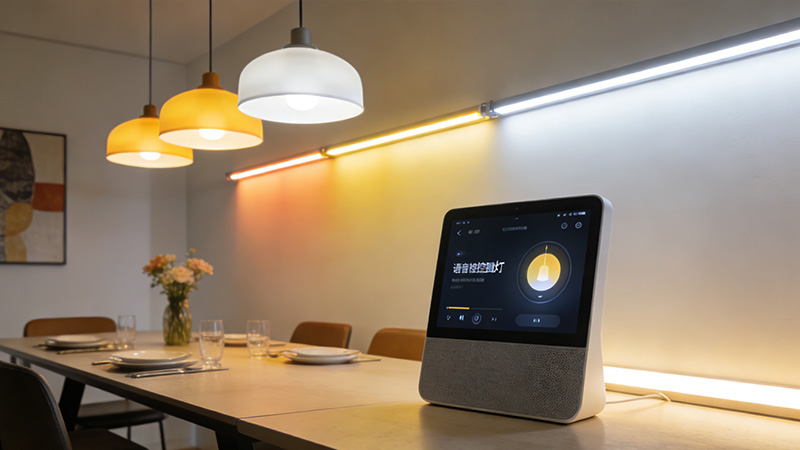
In the era of smart living and working, the demand for flexible, convenient, and efficient lighting control is growing rapidly. Smart lighting remote has emerged as a game-changing solution that breaks the limitations of on-site lighting operation, enabling users to manage lighting systems anytime and anywhere through remote terminals such as mobile apps, cloud platforms, or voice assistants. Unlike traditional remote lighting controls that only support basic on/off and dimming functions, modern Smart lighting remote integrates user-centric customization, real-time status monitoring, and cross-system linkage capabilities, redefining the interaction mode between people and lighting systems. For homeowners, facility managers, and business operators, Smart lighting remote is an indispensable core component for building intelligent, energy-saving, and comfortable spaces. This article explores the unique value, scenario-specific applications, implementation guidelines, and future trends of

Smart Lighting Remote Programming: Driving Dynamic Adaptation and Operational Efficiency in Modern Smart Spaces
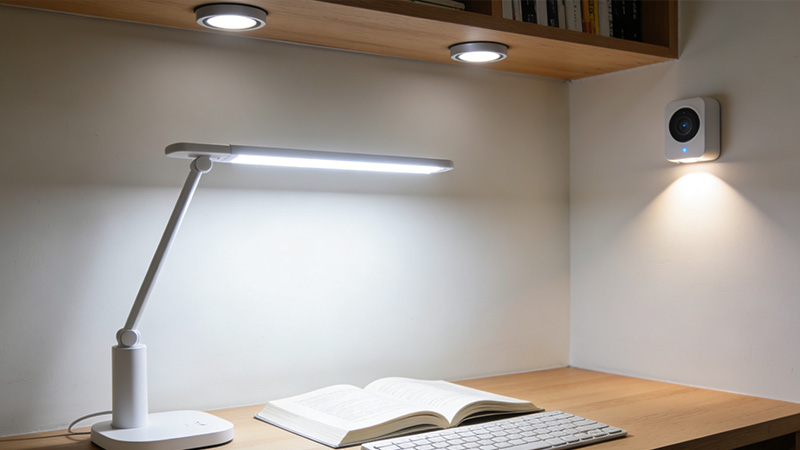
In the era of smart space evolution, lighting systems are no longer just illumination tools but core components of integrated operational ecosystems. Smart lighting remote programming has become a pivotal technology that enables lighting systems to dynamically adapt to changing user needs, environmental conditions, and business workflows—all from a centralized remote platform. Unlike traditional static programming methods that rely on fixed schedules or on-site adjustments, modern smart lighting remote programming integrates real-time data, cross-system linkage, and flexible configuration capabilities, redefining the efficiency and adaptability of lighting management. For facility operators, smart space planners, and business owners, this technology is essential for optimizing resource utilization, enhancing user experiences, and gaining a competitive edge in the smart building landscape. This article explores the unique value, industry-specific applications, implementation strategies,

Customizable Remote Macro Programming Tools: Automating Tailored Lighting Workflows for Smart Environments
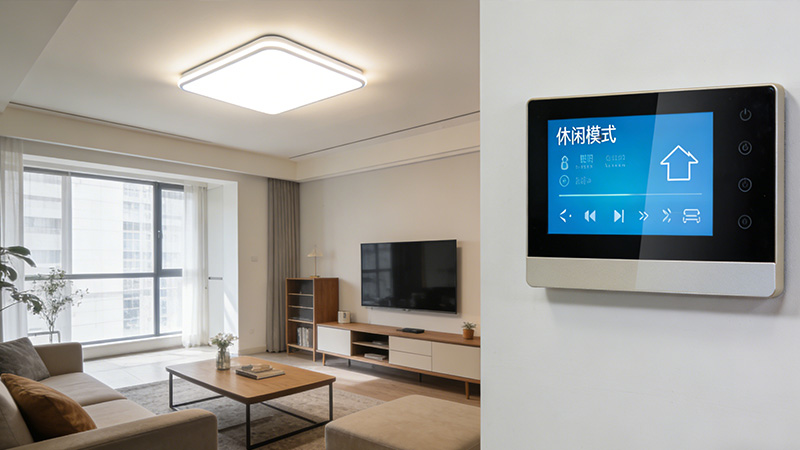
In the evolving landscape of smart lighting systems, users increasingly demand lighting solutions that can adapt to complex, dynamic operational workflows—from coordinating multi-zone illumination for office meetings to syncing lighting changes with business hours in retail spaces. Traditional remote programming tools focus on individual device configuration, requiring administrators to execute multiple sequential operations to achieve a desired lighting scenario. This fragmented approach is time-consuming, prone to human error, and unable to keep pace with the personalized needs of modern environments. Customizable remote macro programming tools emerge as a game-changing solution, enabling users to create, store, and execute pre-defined “macro” commands that automate a sequence of lighting operations remotely. By consolidating multiple tasks into a single, customizable command, these tools streamline lighting management, ensure consistent scenario execution, and unlock tailored lighti

Multi-Device Lighting Remote Programming Interfaces: Streamlining Cross-Device Control for Smart Illumination Systems

In modern smart illumination ecosystems, lighting systems increasingly consist of diverse devices—LED fixtures, dimmers, sensors, and controllers—spread across multiple locations or zones. Managing and programming these devices individually via local interfaces is inefficient, error-prone, and incompatible with the dynamic needs of businesses and institutions. Multi-device lighting remote programming interfaces emerge as a transformative solution, enabling centralized remote programming, configuration, and management of multiple lighting devices across different locations via a unified platform. This technology breaks down the barriers of scattered device management, enhances programming efficiency, ensures consistent lighting settings across devices, and supports real-time adjustments based on operational needs. For facility managers, retail chain operators, and smart venue administrators, multi-device lighting remote programming interfaces are indispensable for optimizing multi-devic

Automated Lighting Systems: Integrating Intelligence for Seamless Facility Operations and User Comfort
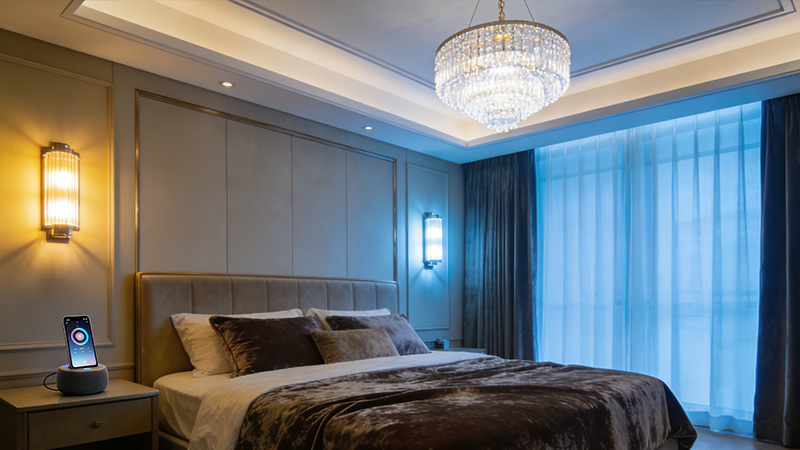
The evolution of smart buildings has redefined the role of lighting from a basic utility to a critical component of integrated facility ecosystems. Automated lighting systems, once valued primarily for energy savings, now stand out for their ability to connect with other building systems, adapt to user behaviors, and enhance operational agility. Unlike conventional lighting setups or even basic automated solutions, modern automated lighting systems leverage IoT connectivity, adaptive algorithms, and user-centric design to deliver seamless experiences while optimizing facility performance. For facility managers, building owners, and design professionals, adopting advanced automated lighting systems has become a key step in creating intelligent, user-friendly, and future-ready built environments.

Automated Lighting Cost Savings: Strategies to Boost Bottom-Line for Businesses
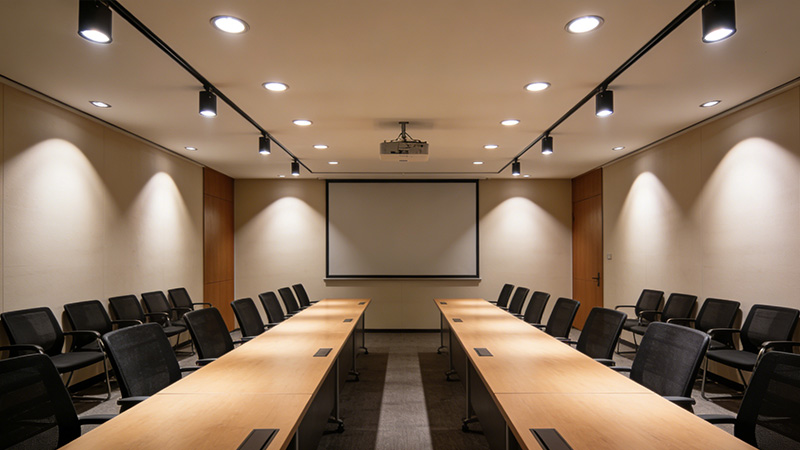
In an era of rising energy costs and tight operational budgets, businesses across sectors are seeking actionable ways to reduce expenses without compromising performance or user experience. Lighting, a consistent and often overlooked operational cost center, presents significant optimization opportunities through automation. Automated lighting cost savings are not just about reducing energy bills—they encompass holistic reductions in maintenance, labor, and operational inefficiencies. By leveraging intelligent controls, sensor integration, and data-driven adjustments, organizations can unlock substantial automated lighting cost savings that directly boost their bottom line. For facility managers, financial teams, and business leaders, understanding how to maximize these savings has become a key priority in sustainable and cost-effective operations.

Lighting Automation ROI Calculation Methodologies: A Guide to Quantifying Investment Value
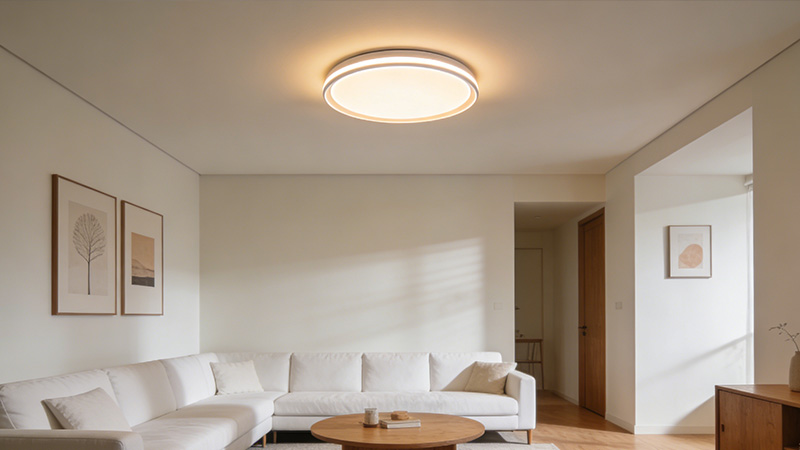
As organizations increasingly invest in lighting automation systems to enhance efficiency and sustainability, the ability to accurately quantify return on investment (ROI) has become a critical prerequisite for decision-making. However, without standardized frameworks, calculating ROI for lighting automation can be inconsistent, leading to inaccurate value assessments and missed investment opportunities. Lighting automation ROI calculation methodologies provide structured, data-driven approaches to measure the financial and operational value of lighting automation investments. For facility managers, financial executives, and sustainability teams, these methodologies are essential tools to justify capital expenditures, prioritize projects, and ensure that lighting automation initiatives deliver tangible returns.

Automated Lighting Energy Savings Verification Reports: Proving ROI and Sustainability Impact
As organizations worldwide invest in automated lighting systems to cut energy costs and reduce carbon footprints, the need to quantify and validate these efforts has become critical. While automated lighting systems are inherently designed to save energy, stakeholders—from facility managers to executives and regulatory bodies—require concrete evidence of their impact. Automated lighting energy savings verification reports fill this gap, providing rigorous, data-driven documentation of energy reductions, cost savings, and sustainability achievements. For businesses, institutions, and public entities, these reports are not just administrative tools but strategic assets that prove return on investment (ROI), support compliance, and guide future energy-efficient decisions.

Simple and Easy Management Cloud-platform
LumiEasy Smart Lighting system which is DLC listed (NLC, networked lighting control) and offer simple, easy cloud-platform. Customer can remote control lighting fixtures and collect energy data. Tree diagram management, from project to single lighting fixtures, easy for customers to do analysis.

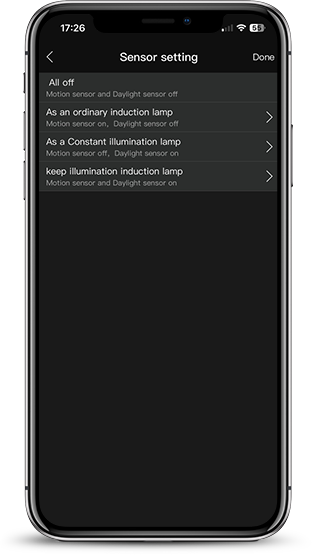
SENSOR SETTING

LumiEasy Networked Controls, a DLC® Qualified Networked Lighting Controls System, make it easy for facilities to save energy, improve occupancy comfort and achieve code compliance by adding Luminaire Level Lighting Controls (LLLC) to indoor and outdoor applications. It allows for easy field installation of sensors and network nodes. PIR or Microwave with daylight 2 in 1 sensor, for easy setting.

Networked Lighting Controls

LUMIEASY SMART LIGHTING SYSTEM is a qualified system on the DLC Networked Lighting Controls QPL

Simple, Affordable, Commercial Wireless Lighting Control
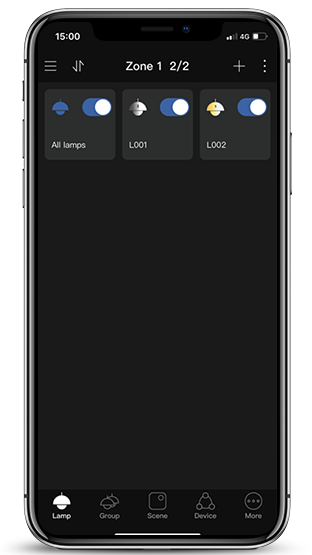
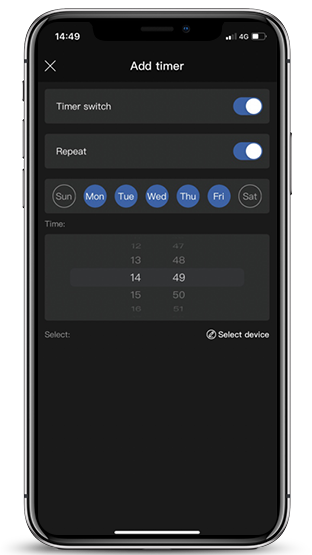
LumiEasy is a simple and affordable wireless lighting control, offer series of sensors for lighting fixtures or room-level sensors, power-packs, wall switches. By using BLE mesh connection, customers can either choose local connection without Wi-Fi or cloud-platform for remotely control, energy data analysis with a gateway. Simple and cost effective lighting control system to meet commercial and industrial lighting control requirements.

LumiEasy Smart Lighting Control System

LumiEasy Smart Lighting Control System is an efficient solution for managing and controlling commercial and industrial lighting fixtures, both indoor and outdoor. With LumiEasy's Network Lighting Control (NLC of DLC), it is easy to bring affordable and flexible wireless controls to a single room or an entire building. Our system also meets Luminaire level Lighting Control (LLLC) requirements, which can help you save up to 80% of energy. By incorporating LumiEasy's NLC (DLC listed) and LLLC smart sensors, controllers and other devices, our customers are able to save even more energy and obtain additional incentives from utilities.

DOWNLOAD

LumiEasy APP

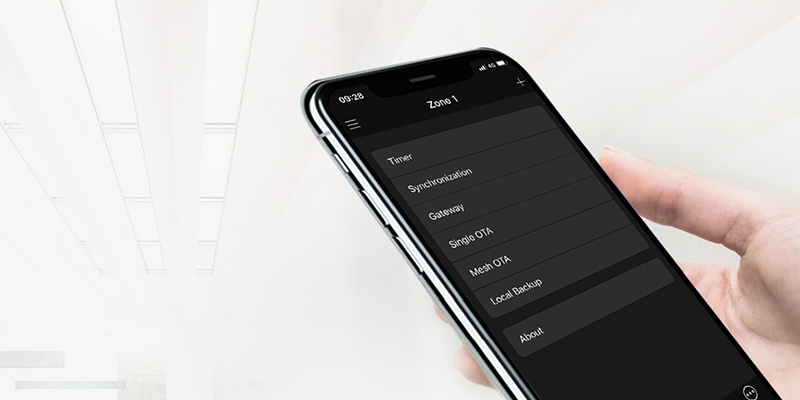
Download the latest version of the APP for FREE on the App Store.
Scan code to download the app