

Time:2026-02-26
The global shift toward "Smart Infrastructure" has transformed the way industrial and commercial spaces are managed. In this evolution, the linear smart sensor has emerged as a critical component, bridging the gap between sleek architectural design and high-performance automation. For factory-type clients, OEM manufacturers, and infrastructure developers, the challenge lies in finding sensing solutions that are powerful enough for industrial use yet compact enough to disappear into modern linear profiles.
At LumiEasy, we specialize in "Conversion-Oriented Technology." We understand that for a B2B buyer, a sensor is not just a part; it is a tool for energy ROI and operational safety. This guide explores the strategic integration of linear sensing technology in the 2026 smart infrastructure landscape.
A linear smart sensor is specifically designed to integrate into slim lighting profiles, track systems, and narrow industrial housings. Unlike traditional bulky PIR sensors, these units utilize a serialized linear sensor array to provide precise detection in elongated spaces like warehouse aisles, corridors, and production lines.
Seamless Integration: Designed to fit within the standard widths of linear LED luminaires (typically 20mm to 50mm).
Granular Data: A linear motion sensor can provide more detailed directional data than a standard circular sensor, allowing for "Follow-Me" lighting logic.
Aesthetic Superiority: Ideal for high-end commercial projects where "visible hardware" is considered a design flaw.
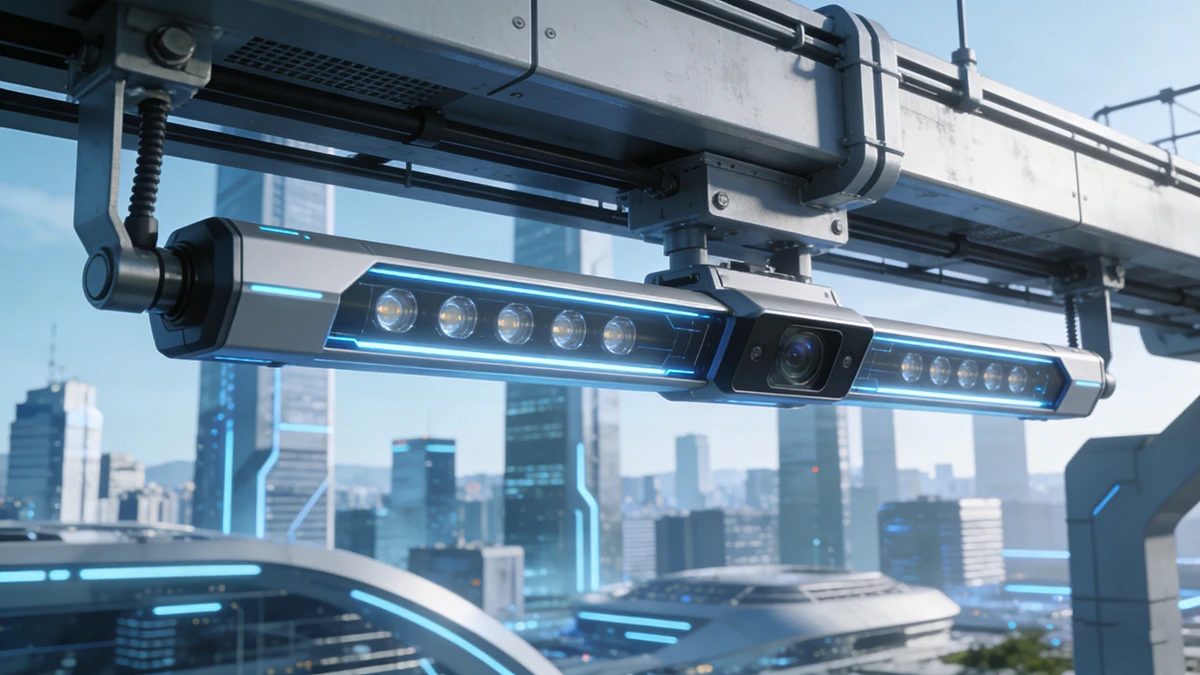
For engineers and product designers, linear smart sensor dimensions are the primary constraint. In the OEM/ODM world, every millimeter counts. A sensor that is too wide will not fit the extrusion; one that is too deep will interfere with the LED driver or heat sink.
Most modern high-performance units follow a slim-profile philosophy. At LumiEasy, our linear smart sensor dimensions are optimized for "Low-Profile" applications, often featuring a width as narrow as 15mm. This allows for:
Internal Mounting: Hiding the sensor behind the polycarbonate diffuser.
End-Cap Integration: Placing the sensor at the end of a linear run to maximize the linear sensor detection pattern without creating shadows on the LED board.
In high-traffic commercial infrastructure, such as airports or smart office complexes, the recessed linear lighting sensor is the gold standard. By embedding the sensor directly into the ceiling or the fixture housing, facility managers achieve a "flush" look that is both vandal-resistant and architecturally pleasing.
Detection Loss: Recessing a sensor can sometimes limit its field of view. To counter this, LumiEasy utilizes high-sensitivity Fresnel lenses designed specifically for recessed depths.
Ease of Access: While the look is "hidden," the linear motion sensor must remain accessible for commissioning. Our units support remote programming, eliminating the need to disassemble the fixture to change settings.
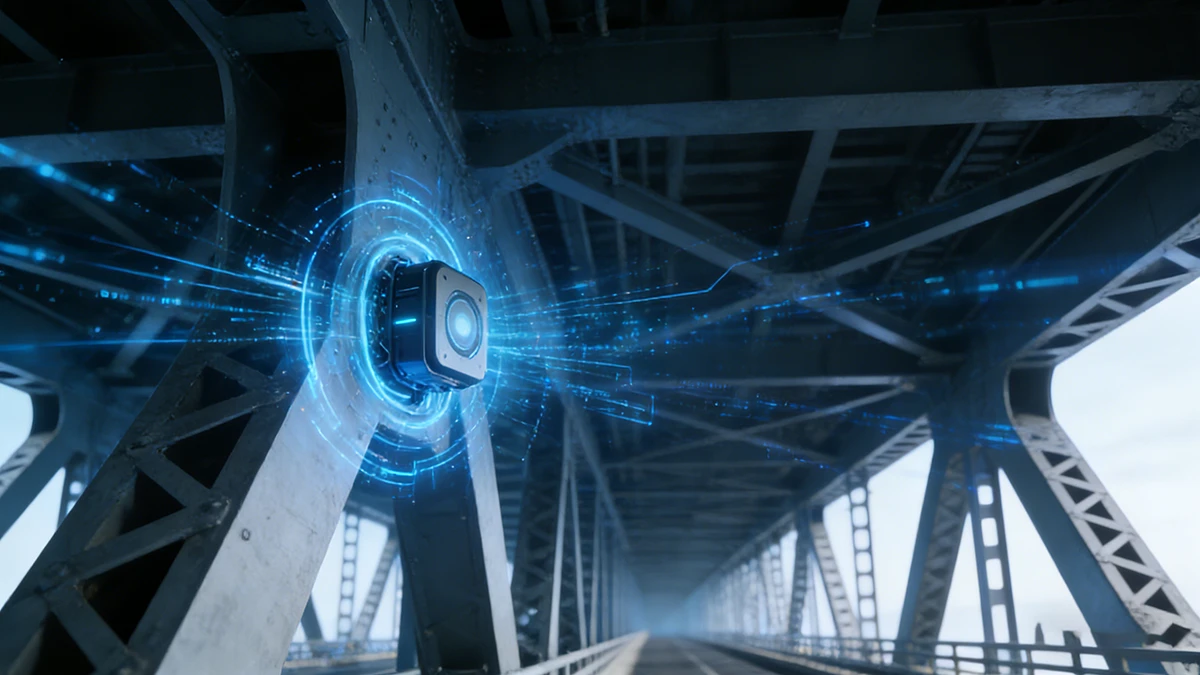
Understanding the linear sensor detection pattern is vital for avoiding "dead zones" in a factory or warehouse. Unlike the standard conical pattern of a round sensor, a linear unit creates an elliptical or "curtain" detection zone.
Aisle Coverage: The linear sensor array is engineered to project a long, narrow beam. This is perfect for high-bay warehouse aisles, ensuring that a forklift is detected at the entrance of the aisle but the sensor isn't "fooled" by movement in the adjacent aisle.
Safety First: In garage or loading dock environments, this pattern mirrors the functionality of linear safety sensors, ensuring that any obstruction across a wide path is immediately recognized.
Cross-over Prevention: By fine-tuning the linear sensor detection pattern, we prevent false triggers from cross-traffic, a common issue that wastes significant energy in industrial settings.
Smart infrastructure isn't always indoors. From parking structures to semi-outdoor loading bays, the linear smart sensor IP rating determines the system's longevity. For factory-type clients, we recommend a minimum of IP65 for any environment prone to dust or moisture.
A high linear smart sensor IP rating is a "Trust Point" (RTB) for our clients. It signifies:
Corrosion Resistance: Protection against the chemical vapors often found in manufacturing plants.
Thermal Resilience: The ability to operate in unconditioned spaces, from the vibration of a linear smart garage door opener to the high-heat ceiling of a production floor.
Impact Protection: Many of our recessed units feature an IK08 rating, protecting the internal linear sensor array from accidental impact during maintenance.
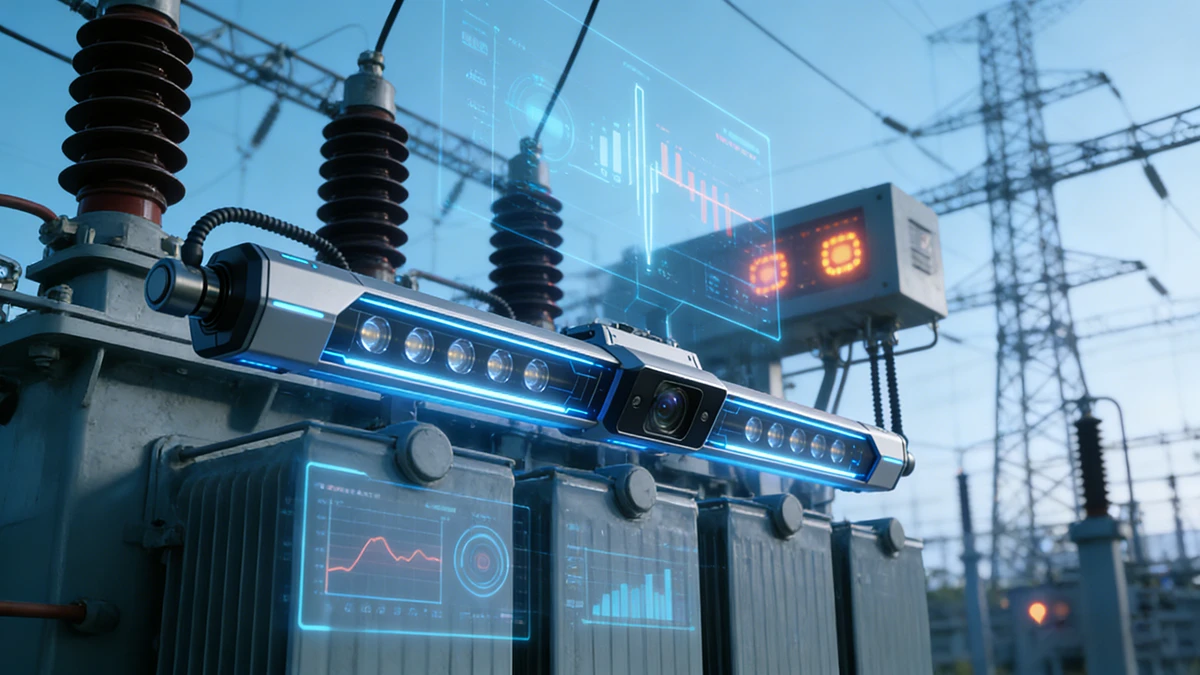
While lighting is the most common application, the linear smart sensor ecosystem extends to facility access. The same logic used in lighting is applied to the linear smart garage door opener and linear safety sensors.
By unifying these systems under a single "Smart Infrastructure" protocol (such as DALI-2 or Matter), a facility can ensure that when the linear motion sensor at the gate is triggered, the warehouse lighting path illuminates simultaneously. This level of system synergy is what defines a "Smart City" or "Smart Factory" in 2026.
A: Yes. We have designed our linear smart sensor dimensions to be compatible with 90% of standard global extrusions. We also offer custom-width PCB arrays for specialized ODM projects.
A: Our industrial-grade linear motion sensor units are equipped with specialized lenses capable of accurate detection at mounting heights of up to 12 meters (approx. 40 feet), ideal for high-bay applications.
A: At LumiEasy, we use high-transmissivity lens materials that maintain a high IP65/IP67 rating without significantly dampening the PIR signal, ensuring reliable detection even in harsh environments.
A: Absolutely. By using a linear sensor array, our sensors can communicate the direction of travel to the controller, allowing the infrastructure to dim lights behind the user and brighten them ahead, maximizing energy ROI.
Related news
Ceiling Mounted Sensor for Smart Industrial Lighting Control | LumiEasy
Lighting Control Powerpack for Smart Industrial Systems
Industrial Smart Lighting for Hazardous Areas: Compliance & Intelligent Applications
Commercial Lighting Cost Analysis Comparison Report: A Guide to Smart Investments for Businesses


)
)
)
)

+86 15899791249

+86 755 2955 3313


Address: Huafeng No.1 Science and Technology Park, Sanwei, Bao'an District, Shenzhen, Guangdong, China.
