

Time:2025-09-18
In the world of smart lighting systems, DALI D4i sensor ready interfaces are revolutionizing the way we think about lighting control. These advanced interfaces offer a multitude of benefits that enhance both functionality and efficiency. In this article, we will explore what DALI D4i sensor ready interfaces are, how they work, and why they are becoming an essential component in modern lighting systems.
DALI, which stands for Digital Addressable Lighting Interface, is a global standard for lighting control. It allows for individual control and monitoring of each light fixture in a system, providing a flexible, efficient, and scalable solution for building lighting management. DALI systems are known for their reliability and are widely used in commercial and industrial settings.
D4i is the latest evolution in the DALI standard. It stands for DALI for IoT (Internet of Things), and it brings new capabilities to the traditional DALI systems. D4i interfaces are designed to be sensor ready, meaning they can easily integrate with a variety of sensors to provide advanced lighting control features.
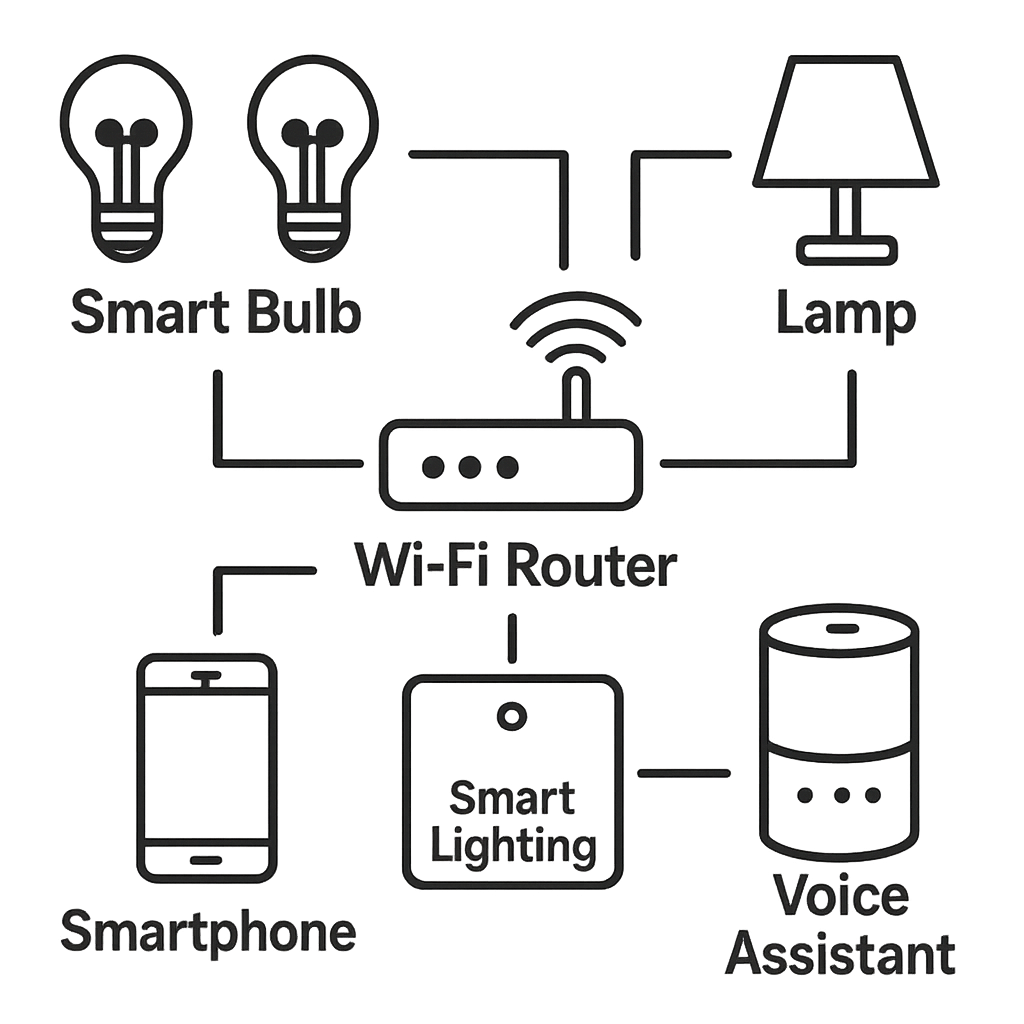
Many project buyers search for DALI, DALI-2, D4i and Zhaga-D4i together, but these terms do not mean exactly the same thing.
| Term | Main Meaning | Typical Relevance |
|---|---|---|
| DALI | Digital lighting control protocol | Addressable lighting control |
| DALI-2 | Updated DALI standard with improved interoperability | Better compatibility between certified devices |
| D4i | Extension for intelligent luminaires | Data, diagnostics, power supply and sensor-ready design |
| Zhaga-D4i | D4i combined with standardized mechanical interfaces | Plug-and-play sensor or communication module integration |
Many project buyers search for DALI, DALI-2, D4i and Zhaga-D4i together, but these terms do not mean exactly the same thing.DALI D4i mainly focuses on the digital control, power and data requirements inside intelligent luminaires. Zhaga-D4i combines D4i electrical and data features with standardized mechanical interfaces. In practical projects, this can help sensors and communication nodes become easier to install, replace or upgrade.
For luminaire manufacturers, this is especially useful because one fixture platform can be adapted for different projects by changing the sensor or communication module.
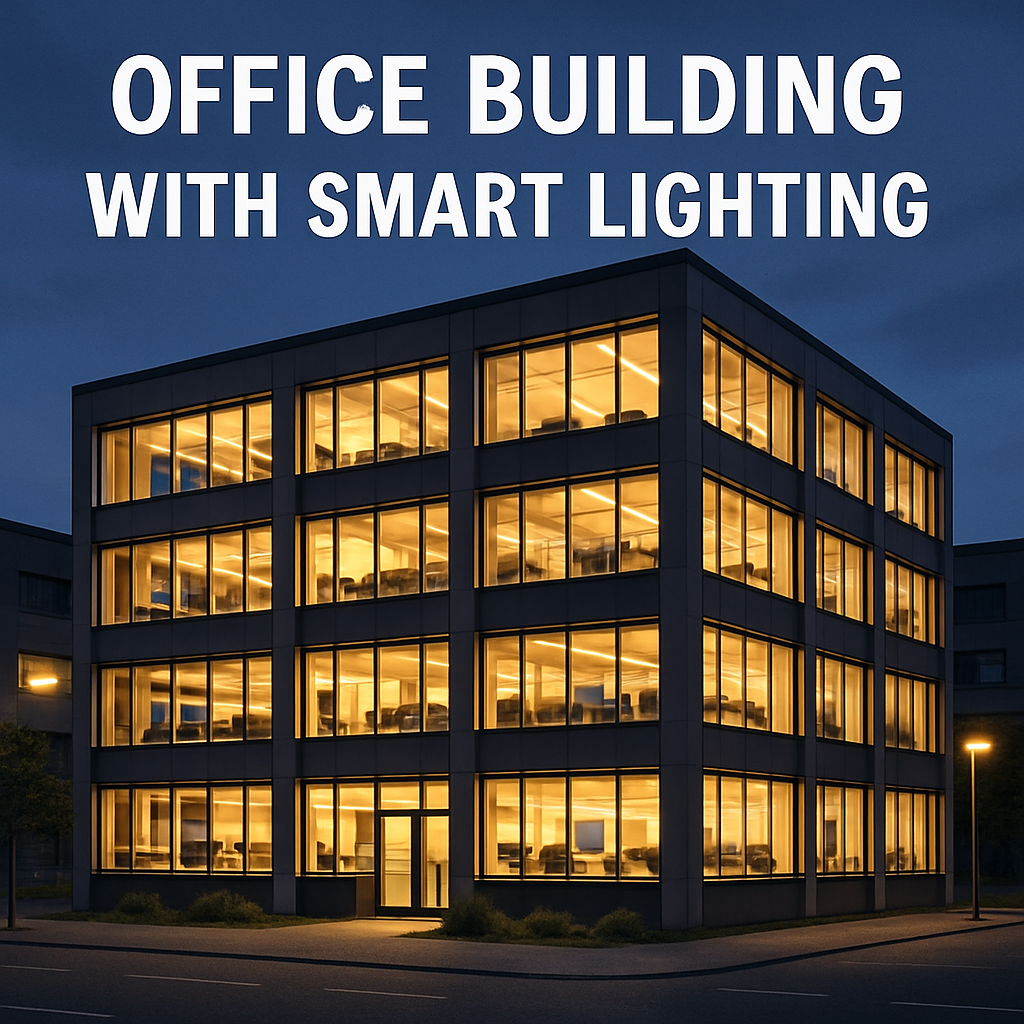
For lighting manufacturers and project contractors, sensor integration can easily become complicated. Different drivers, sensors, connectors, control protocols and mounting methods may create compatibility issues.
DALI D4i sensor ready interfaces help reduce this problem by offering a more standardized approach. When the LED driver, sensor and control device are designed around D4i requirements, it becomes easier to build luminaires that support digital control, sensor input and useful operating data.
This matters especially for large commercial projects where hundreds or thousands of luminaires may need to be commissioned, monitored and maintained.
A DALI D4i sensor ready interface can support different sensor strategies depending on the application.
For offices, PIR occupancy sensors and daylight sensors are often used to reduce unnecessary lighting runtime while maintaining visual comfort.
For warehouses and industrial facilities, high-bay motion sensors may be used to detect forklifts, workers and aisle activity.
For parking garages, microwave sensors or IP-rated motion sensors may be selected because the environment is more open and movement patterns are different.
For commercial retrofit projects, sensor-ready luminaires can reduce wiring complexity and make future lighting control upgrades easier.
The key point is that the interface alone does not guarantee good performance. Sensor type, mounting height, detection range, zoning logic and commissioning settings still need to match the real building environment.

DALI D4i sensor ready interfaces can be used in different commercial and industrial lighting projects. The best sensor choice depends on the space, mounting condition and control goal.
| Application Scenario | Recommended Sensor Strategy | Main Control Goal |
| Open office | Occupancy sensor + daylight sensor | Reduce unnecessary runtime while maintaining comfort |
| Meeting room | PIR occupancy sensor + scene control | Improve user experience and automatic shutoff |
| Warehouse aisle | High-bay motion sensor | Light only active aisles or working zones |
| Parking garage | Microwave or IP-rated motion sensor | Improve safety while reducing low-traffic energy use |
| School or classroom | Occupancy sensor + daylight harvesting | Balance energy savings and visual comfort |
| Commercial retrofit | Luminaire-mounted sensor or wireless module | Reduce rewiring and simplify upgrade work |
This is why DALI D4i sensor ready interfaces should not be selected only by protocol name. The real project value depends on how the sensor, driver, luminaire and control logic work together.
When choosing a DALI D4i sensor supplier or lighting control partner, do not only compare product appearance. Compatibility, documentation and commissioning support often matter more than a single product specification.
Before selecting a supplier, project teams should check:
Whether the sensor, driver and control device are designed for DALI-2 or D4i requirements
Whether the application needs occupancy sensing, daylight harvesting or both
Whether the mounting method fits ceiling-mounted, luminaire-mounted, high-bay or Zhaga interface designs
Whether the product is suitable for indoor, outdoor, IP-rated or industrial environments
Whether the system can connect with gateways or lighting management platforms
Whether the supplier provides wiring diagrams, commissioning guides and project support
Whether sensors or communication modules can be replaced or upgraded later
For B2B projects, the right supplier should understand both the product interface and the real application environment.
DALI D4i sensor ready interfaces are designed to help luminaires connect with sensors, LED drivers and control devices in a more standardized way. They make it easier to build smart luminaires for commercial lighting control.
A D4i sensor ready luminaire is a lighting fixture designed to support sensor or communication module integration. It usually includes a D4i-compatible LED driver and an interface for control or sensing devices.
Yes. DALI D4i sensor ready interfaces can be used with occupancy sensors, motion sensors and other control devices, depending on the product design and system requirements.
Yes. DALI D4i can be useful in retrofit projects when the goal is to upgrade luminaires with sensor-based control, energy monitoring or future smart building connectivity.
DALI D4i focuses on digital control, power and data requirements. Zhaga-D4i combines D4i features with standardized mechanical interfaces to support more plug-and-play sensor and communication module integration.
DALI D4i sensor ready interfaces are not just a technical upgrade. They are a practical foundation for smarter, more flexible and more maintainable commercial lighting systems.
For lighting manufacturers, they help create sensor-ready luminaires. For contractors and system integrators, they reduce integration complexity. For building owners and facility managers, they support better energy control, diagnostics and long-term lighting management.
If your project requires DALI D4i sensors, Zhaga-D4i interfaces or sensor-ready lighting control solutions, LumiEasy can support commercial lighting applications with practical sensor and control system options.
Related news
DALI D4i Compatibility Sensor Ready Standards
Harnessing DALI D4i Data for Industrial Lighting Performance | LumiEasy
D4i Sensor Ready Lighting Control Solution for Commercial Lighting


)
)
)
)

+86 15899791249

+86 755 2955 3313


Address: Huafeng No.1 Science and Technology Park, Sanwei, Bao'an District, Shenzhen, Guangdong, China.
