

Time:2025-10-31
Outdoor lighting plays a crucial role in enhancing safety, security, and aesthetics. It serves as a deterrent for potential intruders, provides safe passage for pedestrians and vehicles, and highlights the architectural beauty of structures and landscapes. From streetlights and parking lots to home exteriors and gardens, outdoor lighting systems need to function effectively. At the core of these systems are outdoor photocell sensors, which ensure lights operate efficiently based on the surrounding light conditions. These sensors are pivotal in balancing functionality with energy efficiency, turning lights on and off according to the ambient light. In this article, we'll explore outdoor photocell sensor calibration, why it is essential, and how to execute it correctly.
An outdoor photocell sensor is a device that automatically turns lighting systems on or off based on the natural light levels. These sensors detect the ambient light, ensuring that lights are only on when needed, which saves energy and extends the life of the lighting system. By responding to changes in light levels, they eliminate the need for manual intervention, providing a hassle-free lighting solution. This automation is particularly beneficial for large properties or public areas where manually controlling lighting would be impractical.
Photocell sensors work by detecting the light levels in the environment. When the sensor detects a decrease in light, such as at dusk, it sends a signal to turn the lights on. Conversely, when the sensor detects an increase in light, such as at dawn, it turns the lights off. This automatic process ensures that outdoor lighting is efficient and reliable. The sensor typically contains a light-sensitive resistor that changes resistance based on the amount of light it detects, triggering the light control mechanism. This technology not only conserves energy but also reduces light pollution, contributing to environmental sustainability.
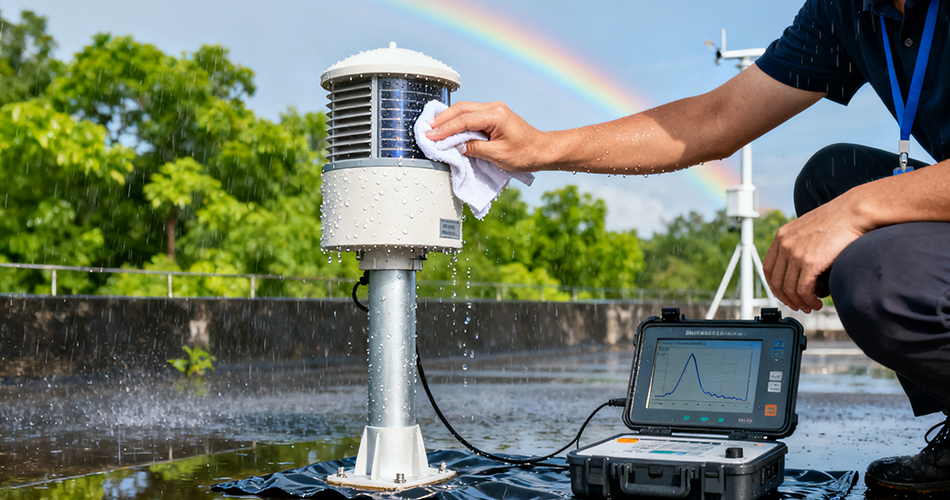
Calibration of outdoor photocell sensors is essential for several reasons:
Energy Efficiency: Proper calibration ensures that lights only operate when necessary, reducing energy consumption. This is particularly important in urban areas where energy demands are high, and conservation efforts are crucial. By minimizing unnecessary lighting, calibrated sensors contribute to significant energy savings over time.
System Longevity: Accurate calibration prevents unnecessary wear and tear on lighting systems. When lights are used only when needed, their components last longer, reducing the frequency and cost of replacements. This prolongs the lifespan of both the sensors and the lighting fixtures, leading to a more sustainable setup.
Cost Savings: With reduced energy use and longer-lasting systems, businesses and homeowners save on utility bills and maintenance costs. The initial investment in quality sensors and regular calibration can pay off significantly in the long run. Additionally, these savings can be reinvested into other areas of infrastructure improvement or maintenance.
Safety and Security: Properly calibrated sensors ensure that lighting is available when needed, deterring potential intruders and enhancing safety. Reliable lighting can prevent accidents in poorly lit areas and provide a sense of security for residents and visitors alike.
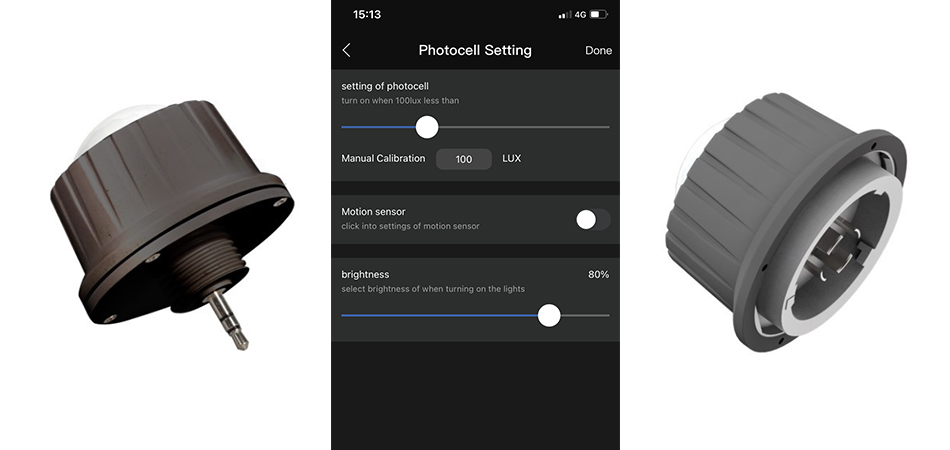
Regular calibration is vital to ensure your outdoor lighting system functions optimally. You should consider calibrating your sensors under the following circumstances:
Installation: When first installing a new sensor, calibration is necessary to set the correct thresholds for light detection. This initial calibration lays the foundation for effective lighting control and should be done meticulously to avoid future issues. Proper installation and calibration ensure that the sensor functions as intended from day one.
Seasonal Changes: As seasons change, daylight hours vary, requiring adjustments to maintain efficiency. For instance, longer summer days and shorter winter days necessitate different calibration settings to ensure lights operate only when needed. Adjusting for seasonal changes helps maintain consistent lighting performance throughout the year.
System Upgrades or Changes: If you upgrade your lighting system or change its configuration, recalibration is necessary. Upgrades might include changing bulb types, fixtures, or even altering the landscape, all of which can affect how light interacts with the environment. Recalibration ensures that new or modified systems continue to operate efficiently.
Inconsistent Lighting: If you notice lights turning on or off at inappropriate times, recalibration can address these issues. Such inconsistencies can be due to sensor drift, environmental changes, or obstacles affecting light detection. Regular checks and recalibrations help maintain optimal sensor performance and lighting accuracy.
Calibrating a photocell sensor is a straightforward process. Follow these steps to ensure your sensor is operating correctly:
Before starting, gather the necessary tools for calibration. You may need:
A screwdriver for adjusting settings
A light meter (optional but useful for precise calibration) to measure ambient light levels
Safety gear, such as gloves and goggles, to protect yourself during the process
Having the right tools on hand ensures that you can perform the calibration safely and effectively without unnecessary interruptions. Proper preparation is key to a smooth calibration process.
Locate the photocell sensor on your lighting system. It is typically positioned on top of the light fixture or nearby. Ensure that the sensor is clean and free from obstructions like dirt, debris, or overhanging branches, which can affect its performance. A clean sensor is crucial for accurate light detection, as obstructions can cause false readings and inefficient operation. Regular maintenance, including cleaning, is an integral part of keeping your sensor functioning properly.
Choose a time of day that provides an appropriate light level for calibration. Dusk or dawn is ideal, as these times represent the transition between light and dark. This timing helps you set the on/off thresholds accurately. By calibrating during these transitional periods, you ensure the sensor is set to respond correctly to changes in ambient light, optimizing both energy usage and lighting effectiveness.
Using a screwdriver, adjust the sensor's settings. Most sensors have a dial or control that allows you to set the sensitivity. If using a light meter, measure the ambient light level to ensure accurate calibration. Adjust the sensitivity until the sensor activates at your desired light level. This step may require some trial and error, especially if the surrounding environment has variable lighting conditions. Precision in setting the sensitivity can significantly impact the performance and reliability of your lighting system.
Once adjustments are made, test the sensor by observing its response to changing light conditions. Ensure it turns the lights on at dusk and off at dawn. Make additional adjustments as needed to achieve optimal performance. Testing under actual conditions helps verify that the sensor is calibrated correctly and provides an opportunity to fine-tune settings. Consistent testing ensures that the sensor maintains its performance over time.
After calibration, ensure that all components are securely fastened. Double-check that the sensor is clean and unobstructed. A securely mounted sensor is less likely to shift or become misaligned, which could affect its accuracy. Regularly inspecting the physical condition of the sensor ensures continued optimal performance and longevity.
Even with proper calibration, issues may arise. Here's how to troubleshoot common problems:
Check Power Supply: Ensure the sensor is receiving power. Check the wiring and connections. A lack of power is a common issue that can often be resolved by ensuring that all connections are secure and free from damage.
Inspect the Sensor: Ensure the sensor is clean and not obstructed. Remove any debris or overgrowth. Physical obstructions can significantly impair the sensor's ability to detect light accurately.
Verify Settings: Recheck the calibration settings and adjust if necessary. Sometimes settings may have been altered inadvertently or may need slight tweaking to restore functionality.
Adjust Sensitivity: If lights flicker, the sensor may be too sensitive. Adjust the sensitivity to a less sensitive setting. Flickering can be disruptive and may indicate that the sensor is reacting to transient light changes.
Check for Interferences: Ensure no nearby lighting or reflective surfaces are affecting the sensor's performance. Reflections or additional light sources can confuse the sensor, leading to erratic behavior.
Recalibrate: If the sensor behaves erratically, repeat the calibration process. Erratic behavior often points to incorrect calibration settings or environmental changes that require recalibration.
Replace Sensor: If issues persist, consider replacing the sensor, as it may be faulty. Sometimes, technical components can fail, and replacement may be the most effective solution to restore reliable operation.
Outdoor photocell sensor calibration is crucial for the effective operation of your lighting systems. By understanding how these sensors work and following the calibration steps outlined, you can ensure your outdoor lighting is efficient, cost-effective, and reliable. Regular calibration not only enhances the performance of your lighting system but also extends its lifespan and reduces operational costs. Remember to regularly check and recalibrate your sensors to adapt to changing conditions and maintain optimal performance. With well-calibrated sensors, you'll enjoy enhanced safety, security, and energy savings, contributing to a more sustainable and pleasant environment.
Related news
Fixture Mounted Sensors Guide for LED Manufacturers | LumiEasy
2026 Commercial Outdoor Lighting System Integration Guide | LumiEasy
Industrial Outdoor Lighting Sensor Guide 2026 | LumiEasy Solutions
Office Indoor Lighting Sensors: Elevating Energy Efficiency and Workplace Comfort


)
)
)
)

+86 15899791249

+86 755 2955 3313


Address: Huafeng No.1 Science and Technology Park, Sanwei, Bao'an District, Shenzhen, Guangdong, China.
