

Time:2025-12-12
Lighting sensors are pivotal to modern smart lighting systems, enabling automated control that balances energy efficiency and user convenience. However, their performance hinges heavily on lighting sensor sensitivity adjustment—a often-overlooked feature that tailors detection responsiveness to specific environmental conditions and usage patterns. Ill-suited sensitivity settings, whether too high or too low, can render even high-quality sensors ineffective: overly sensitive sensors trigger frequent false lighting activations, wasting energy, while under-sensitive ones miss critical detections, compromising safety and user experience. For facility managers, homeowners, and building designers, mastering lighting sensor sensitivity adjustment is essential to unlocking the full potential of lighting systems, ensuring they adapt seamlessly to diverse spaces from warehouses to residential gardens. This article explores the universal value, application strategies, and future trends of lighting sensor sensitivity adjustment, highlighting its role as a cornerstone of optimized lighting control.
No two environments are identical in terms of occupancy density, movement patterns, or ambient interference—factors that directly impact lighting sensor performance. A sensor installed in a busy warehouse, for example, requires different sensitivity settings than one in a quiet residential hallway. Without tailored lighting sensor sensitivity adjustment, sensors cannot adapt to these nuances, leading to operational inefficiencies.
The consequences of neglecting lighting sensor sensitivity adjustment are far-reaching. In commercial settings like retail stores, overly sensitive sensors may trigger lights when wind blows debris across a entrance, inflating utility bills. In industrial warehouses, under-sensitive sensors might fail to detect workers in large, dimly lit areas, creating safety hazards. For residential properties, a sensor with fixed sensitivity could annoy homeowners by activating porch lights for passing wildlife or failing to detect slow-moving elderly family members. Lighting sensor sensitivity adjustment eliminates these issues, ensuring sensors respond only to relevant activity, striking a balance between reliability, energy savings, and user comfort.
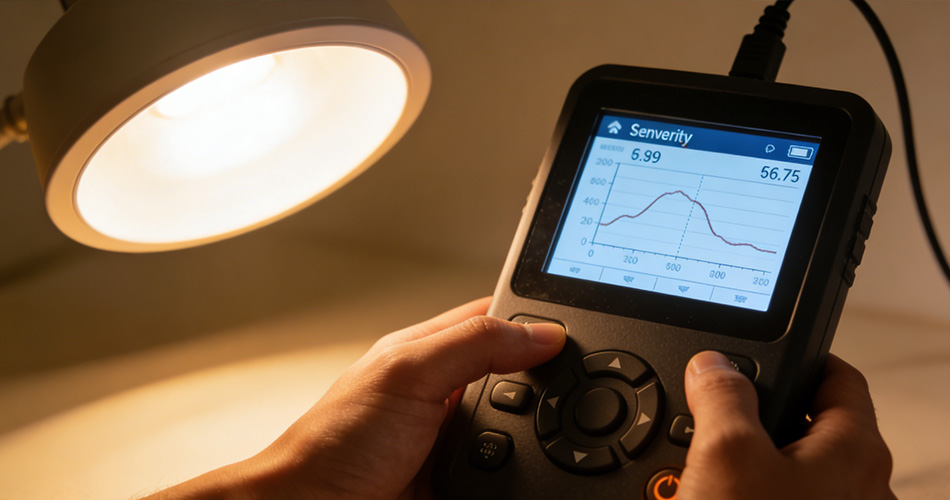
Proper lighting sensor sensitivity adjustment delivers three interconnected benefits that elevate lighting system performance across all environments:
First, enhanced detection accuracy. By calibrating sensitivity to match environmental conditions, lighting sensor sensitivity adjustment minimizes false triggers and missed detections. For instance, in a windy outdoor courtyard, reducing sensitivity prevents lights from activating due to moving branches; in a library, increasing sensitivity ensures lights detect subtle movements of readers turning pages. This accuracy ensures lighting is only activated when needed, optimizing both energy use and user experience.
Second, versatile adaptation to diverse spaces. Lighting sensor sensitivity adjustment enables a single sensor model to be deployed across multiple environments, from high-traffic commercial areas to low-activity residential spaces. Facility managers can standardize sensor procurement while customizing sensitivity for each zone, simplifying inventory management and installation. This versatility is particularly valuable for retrofits, where existing sensors can be re-calibrated to adapt to changed space usage (e.g., a converted office to a co-working space).
Third, long-term energy efficiency. False activations are a major source of energy waste in sensor-controlled lighting systems. Lighting sensor sensitivity adjustment reduces unnecessary lighting use by up to 45% compared to fixed-sensitivity sensors, as lights only turn on in response to genuine occupancy or motion. Over time, these savings translate to significant reductions in utility costs, making sensitivity adjustment a cost-effective strategy for energy conservation.
Lighting sensor sensitivity adjustment requires a scenario-specific approach, with settings tailored to the unique characteristics of each environment. Below are key strategies for common applications:
Warehouses & industrial facilities: These spaces feature large open areas, heavy machinery movement, and occasional low-traffic periods. Lighting sensor sensitivity adjustment should prioritize detecting human activity over machinery vibration—set moderate to high sensitivity for worker zones (e.g., packing stations) to ensure no missed detections, and lower sensitivity for storage zones to avoid triggers from moving pallets or equipment. This balances safety for workers and energy savings in low-activity areas.
Outdoor public spaces (parks, sidewalks): Outdoor sensors face interference from weather, wildlife, and passing vehicles. Lighting sensor sensitivity adjustment here involves setting low to moderate sensitivity to ignore small animals (e.g., squirrels, birds) while detecting human movement. For high-crime areas, slightly higher sensitivity ensures lights activate as pedestrians approach, enhancing safety without wasting energy on distant traffic.
Residential properties (porches, hallways, gardens): Homeowners benefit from customizable lighting sensor sensitivity adjustment to match lifestyle needs. For porch lights, set sensitivity to detect human-sized objects at a 10-15 foot range, avoiding triggers from small animals. For indoor hallways, higher sensitivity ensures lights activate for slow-moving children or elderly family members, while lower sensitivity in gardens prevents activation from wind-blown plants.
Healthcare facilities (corridors, patient rooms): Patient care environments require precise lighting sensor sensitivity adjustment to balance safety and patient rest. In corridors, moderate sensitivity detects staff and visitors without triggering lights from medical equipment vibrations. In patient rooms, lower sensitivity ensures lights only activate when caregivers enter, avoiding disruptions to patients’ sleep—with the option to temporarily increase sensitivity during medical procedures.
Retail store fitting rooms & aisles: Retail sensors need to detect customers without being triggered by clothing racks moving or air conditioning airflow. Lighting sensor sensitivity adjustment for fitting rooms involves high sensitivity to detect customers entering small spaces, while aisle sensors use moderate sensitivity to detect browsing customers without false triggers from passing carts or hanging garments.
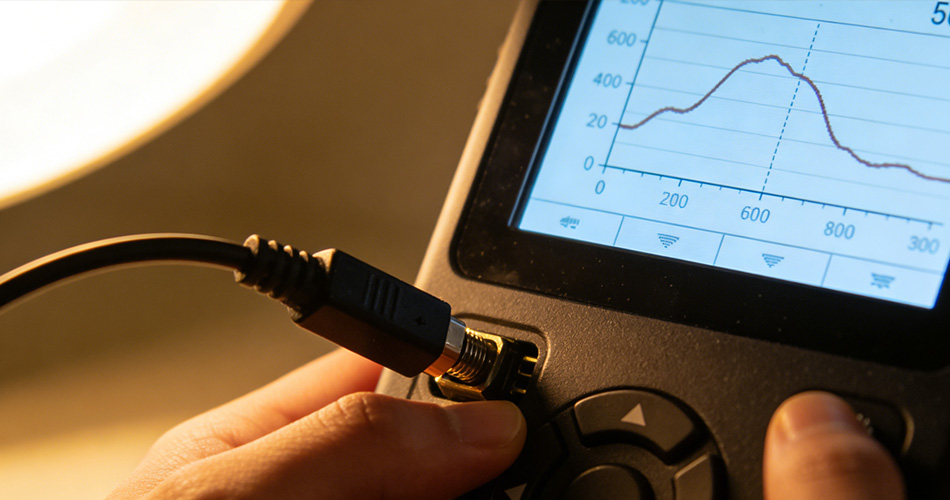
To maximize the value of lighting sensor sensitivity adjustment, follow these practical guidelines during implementation:
First, conduct on-site testing before finalizing settings. Environmental factors (e.g., wind, ambient light, nearby machinery) vary day-to-day, so test sensitivity settings at different times (peak hours, off-peak, nighttime) to ensure consistency. For outdoor sensors, test during rainy or windy conditions to validate resistance to false triggers.
Second, prioritize user-friendly adjustment interfaces. Select sensors with intuitive lighting sensor sensitivity adjustment controls—such as dial knobs, mobile app settings, or remote programming—avoiding overly complex systems that require specialized training. For large facilities, choose sensors with centralized adjustment via building management systems (BMS) to streamline calibration across multiple zones.
Third, align adjustment with other sensor features. Coordinate lighting sensor sensitivity adjustment with timing settings (e.g., auto-off delay) to optimize performance. For example, in high-traffic areas, combine higher sensitivity with shorter auto-off delays to ensure lights turn off quickly when spaces are vacated, maximizing energy savings.
Fourth, revisit settings periodically. Space usage and environmental conditions change over time (e.g., new construction nearby, seasonal foliage growth). Schedule quarterly reviews of lighting sensor sensitivity adjustment settings to ensure they remain optimal, updating as needed to address new interference or usage patterns.
As smart lighting technology evolves, lighting sensor sensitivity adjustment is becoming more intelligent and automated, reducing the need for manual calibration:
One trend is AI-driven automatic adjustment. Future sensors will use artificial intelligence to analyze real-time data (motion patterns, environmental conditions, occupancy density) and adjust sensitivity automatically. For example, a sensor in a retail store will increase sensitivity during peak shopping hours and decrease it during closing time, adapting to changing traffic patterns without human intervention.
Another trend is user-specific sensitivity profiles. Smart home and commercial sensors will support customizable profiles for different users or scenarios—e.g., a "night mode" for residential sensors that reduces sensitivity to avoid disturbing sleep, or a "security mode" that increases sensitivity during after-hours. These profiles can be activated remotely via mobile apps, enhancing user control.
Finally, integration with environmental sensors. Lighting sensors will sync with weather sensors, occupancy trackers, and other IoT devices to inform sensitivity adjustment. For example, a sensor linked to a rain gauge will automatically reduce sensitivity during heavy rain to avoid false triggers from water movement, ensuring consistent performance in all weather conditions.
In conclusion, lighting sensor sensitivity adjustment is a critical yet underutilized feature that optimizes detection accuracy, energy efficiency, and user experience across diverse environments. By tailoring settings to specific scene needs and following best practices for implementation, organizations and homeowners can unlock the full potential of their lighting systems. As AI and IoT technology advance, lighting sensor sensitivity adjustment will become increasingly automated and user-centric, solidifying its role as a foundational element of smart lighting. For anyone investing in sensor-controlled lighting, prioritizing lighting sensor sensitivity adjustment is a strategic choice that delivers long-term reliability, energy savings, and user satisfaction.
Related news
Wholesale Controller-Compatible Sensors for OEM/ODM | LumiEasy
Fixture Mounted Sensors Guide for LED Manufacturers | LumiEasy
2026 Commercial Outdoor Lighting System Integration Guide | LumiEasy
Industrial Outdoor Lighting Sensor Guide 2026 | LumiEasy Solutions
Indoor Lighting Sensor Guide for Efficient Smart Light Automation
Commercial Smart Lighting Cost Analysis: Unlocking Long-Term Savings for Businesses
Industrial Smart Lighting Maintenance: Essential Guide for Efficiency & Longevity
Commercial Smart Lighting Solutions for Energy-Saving Buildings
Scalable Smart Lighting Solutions Grow With Your Commercial Success
Lighting Sensors: Cutting Warehouse Energy Costs | LumiEasy


)
)
)
)

+86 15899791249

+86 755 2955 3313


Address: Huafeng No.1 Science and Technology Park, Sanwei, Bao'an District, Shenzhen, Guangdong, China.
