

Time:2026-02-24
A Silvair-compatible sensor is an occupancy, vacancy, motion, or daylight sensor designed to work within a Silvair-based Bluetooth Mesh or Bluetooth NLC lighting control system.
For commercial and industrial projects, compatibility is not only about whether the device can connect to the platform. A good Silvair-compatible sensor should also match the real project conditions: mounting height, detection area, sensor technology, driver interface, commissioning workflow, and required lighting control strategies.
At LumiEasy, we understand that for a large-scale industrial project, a sensor is not just a component; it is a data node in a critical network. By focusing on Silvair-compatible sensors, we help our partners deploy "Future-Proof" systems that slash energy costs while simplifying the complex world of silvair commissioning.
When planning a Bluetooth Mesh network, hardware fragmentation is the enemy of efficiency. A verified Silvair compatible sensor list is essential to ensure that the Passive Infrared (PIR) or Microwave detection instances translate accurately into the Silvair software environment.
Silvair lighting controls rely on a decentralized mesh architecture. Unlike traditional wireless systems that depend on a single gateway, every Silvair compatible sensor acts as a repeater.
Network Stability: If one node fails, the mesh reroutes the signal, ensuring that warehouse safety lighting is never compromised.
Granular Control: Within the Silvair platform, each sensor on the Silvair compatible sensor list can be individually addressed for occupancy sensing, daylight harvesting, or high-end trim.
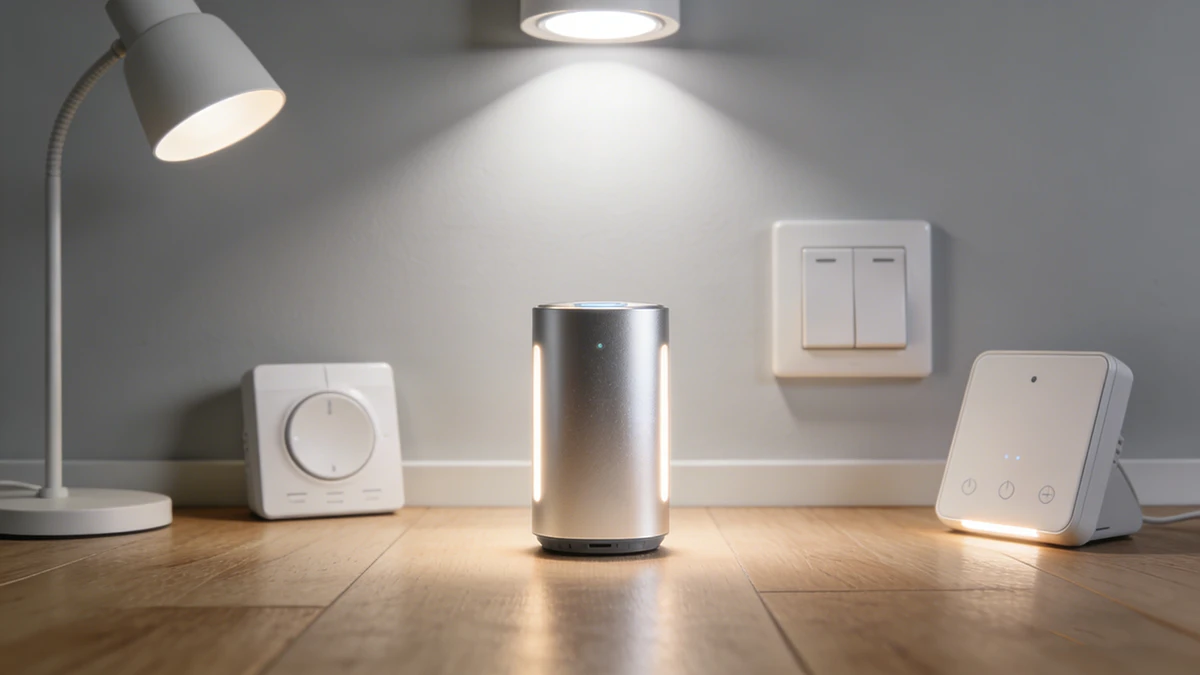
In a global supply chain characterized by fluctuating lead times, having access to high-quality alternative Silvair sensors is a competitive advantage. An "alternative" does not mean a compromise in quality; rather, it refers to specialized hardware that offers unique form factors or enhanced industrial durability.
Firmware Certification: Any alternative Silvair sensors must be flashed with the official Silvair firmware stack to ensure seamless integration with the silvair commissioning app.
Industrial Grade Resilience: For factory-type clients, the sensor must handle the high-vibration environment of heavy machinery. LumiEasy’s range of silvair controls compatible hardware is tested for thermal stability between -20°C and +60°C.
Lumen Maintenance: Advanced sensors help manage the lifecycle of the fixture by dimming lights when natural daylight is sufficient, a core feature of silvair lighting strategies.
Many factories are currently operating with legacy LED fixtures that are "dumb"—meaning they lack wireless control. The Silvair sensor retrofit kit is the most cost-effective Super Growth Point (SGP) for facility managers looking to upgrade without replacing their entire lighting inventory.
The Wireless Node: A Silvair-enabled controller that connects to the LED driver (0-10V or DALI).
The Sensor Head: A high-mount PIR or Microwave sensor designed for warehouse heights.
The Plug-and-Play Interface: Our Silvair sensor retrofit kit often utilizes standardized Zhaga or NEMA sockets, allowing for installation in under five minutes per fixture.
By using a retrofit approach, factories can achieve silvair lighting controls functionality with minimal labor costs, instantly qualifying for energy rebates and ESG (Environmental, Social, and Governance) certifications.
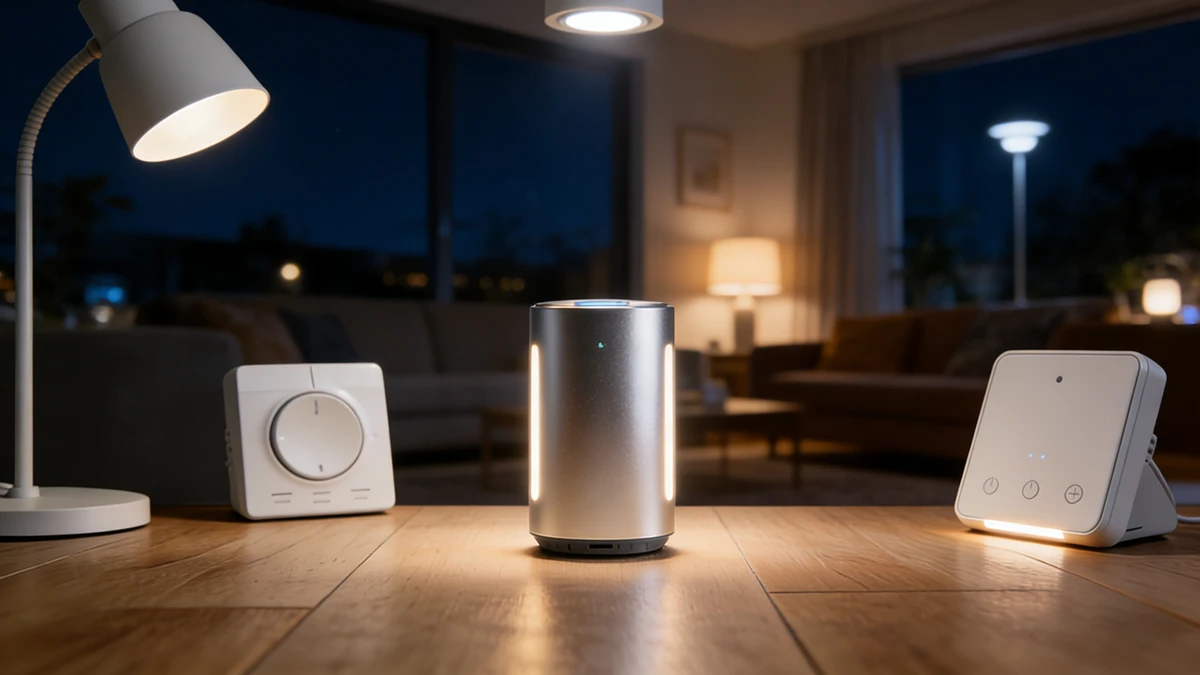
Before a full-scale rollout, engineers must test Silvair sensor compatibility to avoid "orphan nodes" or latency issues in the mesh network. This is a critical Trust Point (RTB) in the project lifecycle.
Signal Strength Testing: Using the Silvair mobile app, we test Silvair sensor compatibility by measuring the RSSI (Received Signal Strength Indicator) between nodes in a high-metal-interference environment.
Instance Mapping: Ensure that the "Occupancy" and "Light Level" instances are correctly identified during silvair commissioning.
Response Latency: Professional silvair controls should trigger lights within milliseconds. We perform stress tests to ensure the mesh can handle simultaneous triggers from multiple sensors during shift changes.
| Selection Point | Why It Matters | What to Verify |
|---|---|---|
| Platform compatibility | Ensures the device can be commissioned and managed correctly | Silvair firmware, Bluetooth Mesh / Bluetooth NLC support, commissioning app behavior |
| Sensor type | Different spaces need different detection methods | PIR, microwave, or combined sensing |
| Mounting height | Detection range changes significantly with height | Ceiling height, lens type, detection pattern |
| Driver interface | Sensor must match the luminaire control method | 0-10V, DALI, D4i, relay, or fixture controller |
| Daylight sensing | Required for daylight harvesting and constant light control | Ambient light sensor position and calibration |
| Commissioning workflow | Affects installation time and project risk | Device discovery, grouping, zoning, scene setup |
| Application environment | Industrial spaces are more demanding than offices | Temperature, vibration, dust, metal interference |
| Rebate/NLC requirement | Important for North American projects | Listed system, utility program, DLC/NLC requirement |
The true genius of silvair lighting lies in its ease of setup. Through the Silvair web portal and mobile app, the silvair commissioning process is transformed from a weeks-long manual task into a streamlined, digital workflow.
Zoning and Grouping: Group sensors by production line or storage aisle without changing a single wire.
Scheduling: Automate your silvair controls to mirror your factory’s shift patterns, ensuring maximum safety during active hours and maximum savings during downtime.
Data Analytics: Silvair-enabled networks provide heatmaps of facility usage, allowing managers to optimize the layout of their warehouse based on real-time occupancy data.
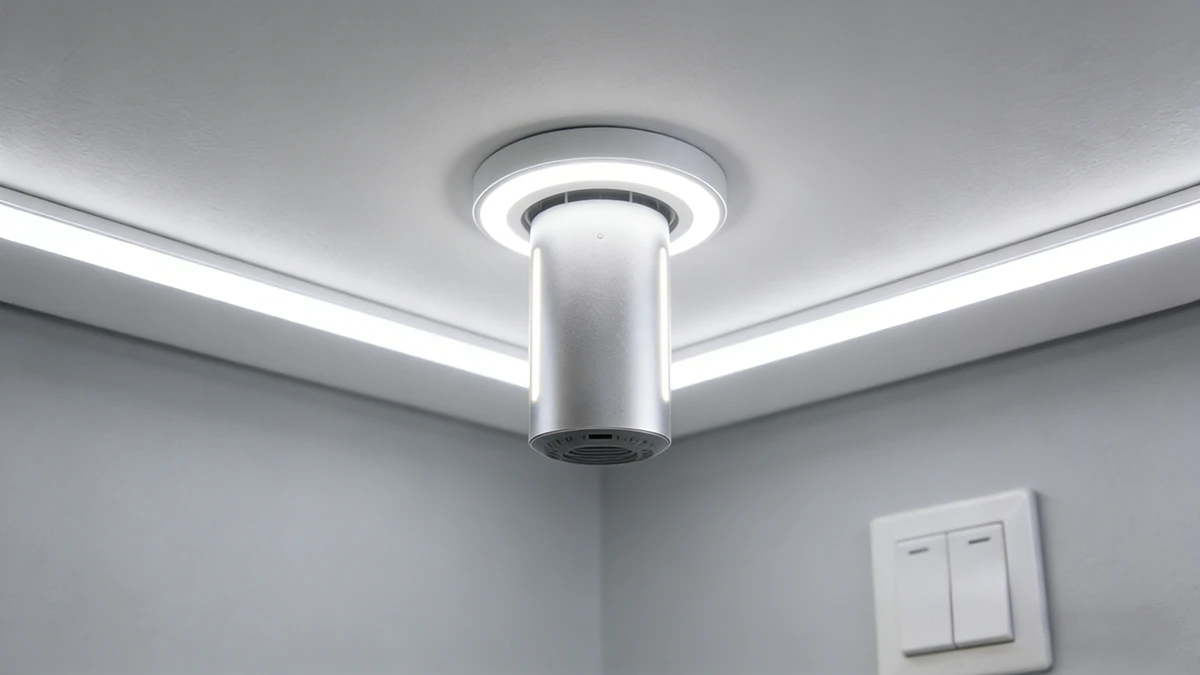
A: Absolutely. As long as the hardware is selected from our verified Silvair compatible sensor list, it will be instantly recognized by the Silvair platform during the silvair commissioning phase.
A: For warehouse applications, our alternative Silvair sensors are available with high-bay lenses capable of accurate detection from heights up to 15 meters (approx. 49 feet).
A: Yes. Silvair lighting controls utilize AES-128 industrial-grade encryption. Every message in the mesh is encrypted and authenticated, making it one of the most secure wireless protocols for silvair controls on the market.
A: The integrated photosensor in our Silvair sensor retrofit kit measures the ambient light. It sends a signal to the Silvair controller to dim the LEDs when sunlight is present, maintaining a constant light level (Task Lighting) while minimizing energy draw.
Q: Are all Bluetooth Mesh sensors compatible with Silvair?
A: No. Bluetooth Mesh support alone does not guarantee full Silvair compatibility. The project team should verify firmware, supported models, commissioning behavior, and whether the device is qualified or listed for the required project environment.
Related news
DLC Certified Lighting for Industrial Factory Efficiency | LumiEasy
Wholesale Controller-Compatible Sensors for OEM/ODM | LumiEasy
Wholesale Plug-and-Play Sensors for Industrial Lighting | LumiEasy
Linear BLE Tunable White PIR Senso
NLC-Certified Silvair-Compatible Sensors for Maximum Rebates


)
)
)
)

+86 15899791249

+86 755 2955 3313


Address: Huafeng No.1 Science and Technology Park, Sanwei, Bao'an District, Shenzhen, Guangdong, China.
