

Time:2026-01-30
In today’s era of smart industrial buildings and intelligent infrastructure, a well‑engineered indoor lighting system has evolved far beyond simple illumination. Modern facilities demand lighting solutions that enhance safety, optimize productivity, reduce energy costs, and integrate seamlessly into smart building ecosystems. This guide explores key elements of industrial indoor lighting systems, including indoor lighting system design, adaptive controls, and advanced features like indoor lighting color tuning and indoor lighting emergency mode.
A smart indoor lighting system refers to an advanced lighting infrastructure that uses sensors, automated controls, and connectivity to dynamically adjust lighting based on environmental conditions, occupancy patterns, and operational needs. Unlike traditional lighting systems that operate at fixed brightness and schedules, a smart system adapts in real time—bringing measurable energy savings and improved visibility across industrial spaces.
Smart systems may integrate occupancy detection, daylight harvesting, programmable lighting scenes, and networked control platforms to ensure lighting is active only when and where it is needed.
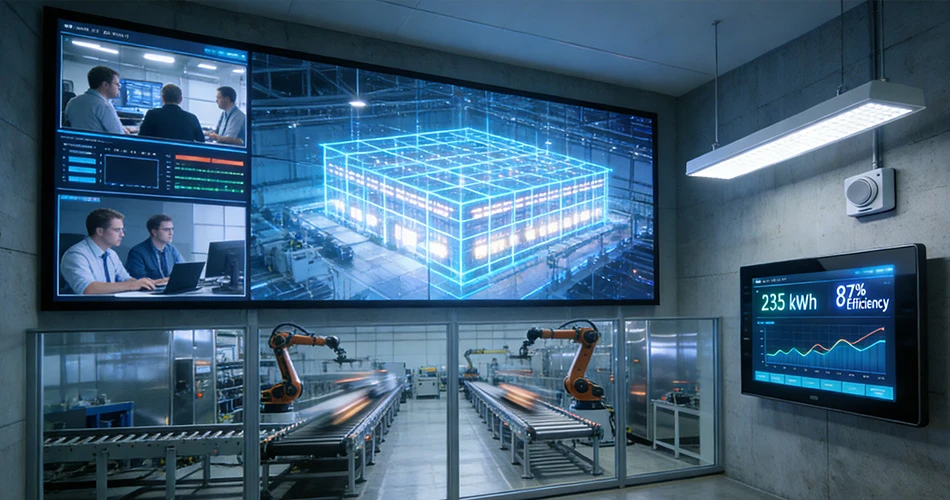
An effective indoor lighting system design must address several core aspects to meet the rigorous demands of industrial applications:
Smart industrial lighting should respond automatically to activity levels and ambient daylight, using advanced sensors and control algorithms. Automated adjustment systems help minimize energy usage while ensuring consistent visibility, especially critical in high-traffic or 24/7 operational environments.
Good indoor lighting system design breaks facilities into functional zones—for example, production floors, warehouses, corridors, and break areas. Each zone can be tailored with appropriate brightness levels and control schemes, ensuring lighting resources are not wasted in unoccupied or low-priority areas.
Industrial environments benefit when lighting systems integrate with broader automation infrastructure—such as building management systems, safety platforms, and operational dashboards. This enables coordinated control strategies that enhance operational intelligence and facility management.
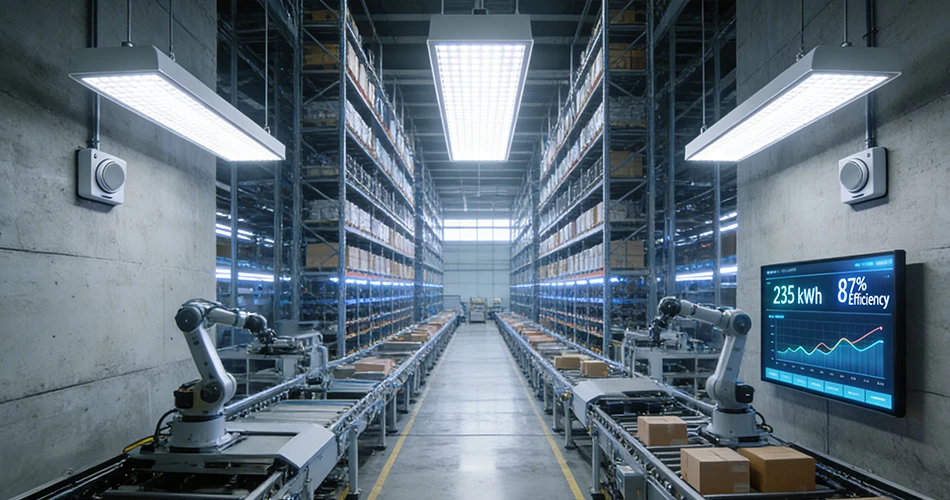
A fully smart indoor lighting system adapts lighting in real time based on occupancy, daylight availability, and operational requirements. Facility managers can implement dynamic lighting schedules and automated dimming strategies that maximize energy savings without compromising visibility.
Indoor lighting color tuning allows lighting systems to adjust the spectral characteristics and color temperature of light to match task requirements or circadian needs. Cooler light may improve alertness and visual acuity in production areas, while warmer tones in break rooms support relaxation and well-being.
A critical feature of industrial lighting is the indoor lighting emergency mode, which ensures that lighting shifts into pre-configured emergency settings during power outages, fire alarms, or other critical events. Emergency mode improves safety by providing adequate illumination for evacuation and hazard response.
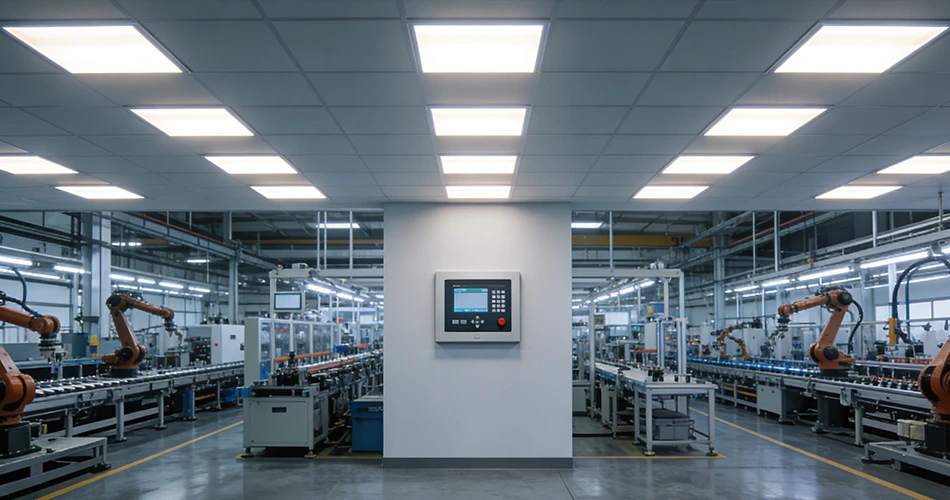
Implementing a modern indoor lighting system provides a wide range of benefits:
Energy Efficiency: Automated controls and occupancy-based lighting reduce wasted energy, lowering electricity costs.
Extended Fixture Lifespan: Intelligent operation reduces wear on LED fixtures, lowering maintenance expenses.
Real-Time Monitoring & Control: Smart systems allow facility managers to monitor performance and adjust lighting remotely.
Enhanced Safety: Features like indoor lighting emergency mode and occupancy-based automation improve workplace safety.
Improved Comfort and Productivity: With indoor lighting color tuning, lighting levels and color temperatures can be optimized for different zones, enhancing worker comfort and focus.
Conduct a Lighting Audit: Evaluate current usage, fixture performance, and problem areas before designing a new system.
Select Appropriate Sensors and Controls: Use occupancy sensors, ambient light sensors, and networked controllers to enable adaptive automation.
Plan Emergency Lighting: Ensure indoor lighting emergency mode meets safety regulations and functional requirements.
Implement Color Tuning Strategically: Adjust indoor lighting color tuning to support productivity, comfort, and safety in different areas.
Ensure Scalability: Design systems that can be easily expanded or upgraded as facility needs evolve.
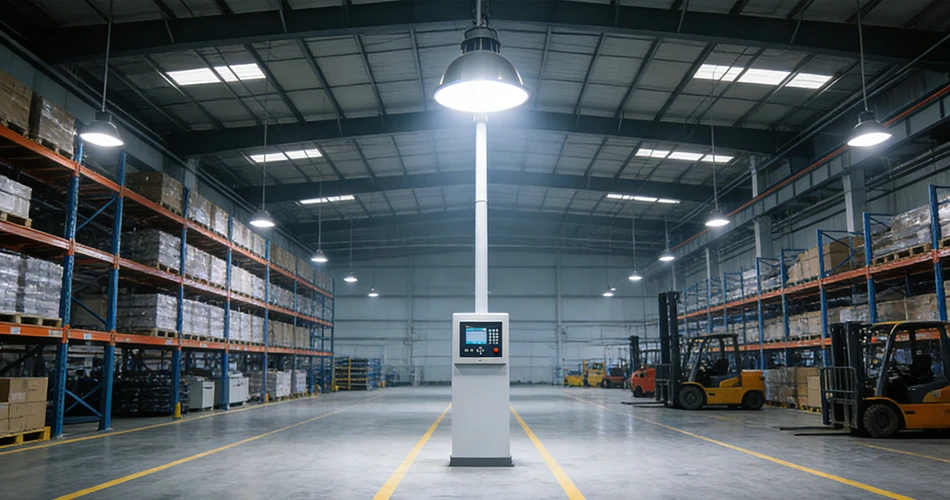
A: A smart indoor lighting system is an automated lighting solution that adjusts brightness, color, and operation based on occupancy, daylight, and operational requirements. It improves energy efficiency, comfort, and safety compared to traditional lighting systems.
A: Indoor lighting color tuning allows facility managers to adjust color temperature and light spectrum for different work zones, enhancing worker productivity, visual comfort, and task accuracy.
A: A well-designed indoor lighting emergency mode ensures sufficient illumination during power outages, alarms, or hazards, guiding occupants safely and maintaining compliance with safety regulations.
A: Effective indoor lighting system design considers energy efficiency, occupancy patterns, zoned illumination, sensor integration, emergency preparedness, and adaptability to future expansion.
A: A smart indoor lighting system reduces energy consumption, lowers maintenance costs, improves worker comfort with indoor lighting color tuning, enhances safety with indoor lighting emergency mode, and provides real-time monitoring and operational control.
This guide provides industrial facility managers and decision-makers with a comprehensive overview of indoor lighting system design and smart indoor lighting system implementation, highlighting how features like indoor lighting color tuning and indoor lighting emergency mode optimize efficiency, safety, and productivity.
Related news
Automated Lighting Systems Warehouse: Transforming Industrial Illumination for Efficiency and Safety
Automated Theatre Lighting Systems: Shaping Narrative and Immersion in Live Performances
AI Automated Lighting Systems: Redefining Efficiency and Intelligence in Smart Buildings


)
)
)
)

+86 15899791249

+86 755 2955 3313


Address: Huafeng No.1 Science and Technology Park, Sanwei, Bao'an District, Shenzhen, Guangdong, China.
