

Time:2025-12-05
The global push for smart, sustainable built environments has accelerated the evolution of lighting systems from basic automation to intelligent ecosystems. At the heart of this transformation lies AI automated lighting systems—solutions that integrate artificial intelligence with automated controls to deliver proactive, data-driven illumination. Unlike traditional automated lighting that relies on fixed rules or simple sensors, AI automated lighting systems can learn, predict, and adapt to human behavior and environmental changes, creating a balance between energy efficiency, operational agility, and user comfort. For organizations aiming to future-proof their facilities and meet evolving sustainability goals, AI automated lighting systems have become a cornerstone of smart building strategies.
Traditional automated lighting systems, while an improvement over manual control, have inherent limitations that AI technology addresses. These conventional systems operate on pre-set triggers (e.g., motion detection or time schedules), lacking the ability to account for nuanced factors like variable occupancy patterns, individual user preferences, or dynamic environmental conditions. This rigidity leads to energy waste—such as lights remaining on in underused spaces—or suboptimal user experiences, like inadequate lighting for specific tasks.
AI automated lighting systems overcome these gaps by leveraging machine learning and data analytics. The integration of AI enables the system to process vast amounts of real-time and historical data, identifying patterns that human-driven controls miss. For example, AI can recognize that a conference room is consistently used for impromptu meetings on Wednesday afternoons, or that natural light in a retail store fluctuates unpredictably on cloudy days. By turning data into actionable insights, AI elevates automated lighting from a reactive tool to a proactive solution that anticipates needs and optimizes performance continuously.
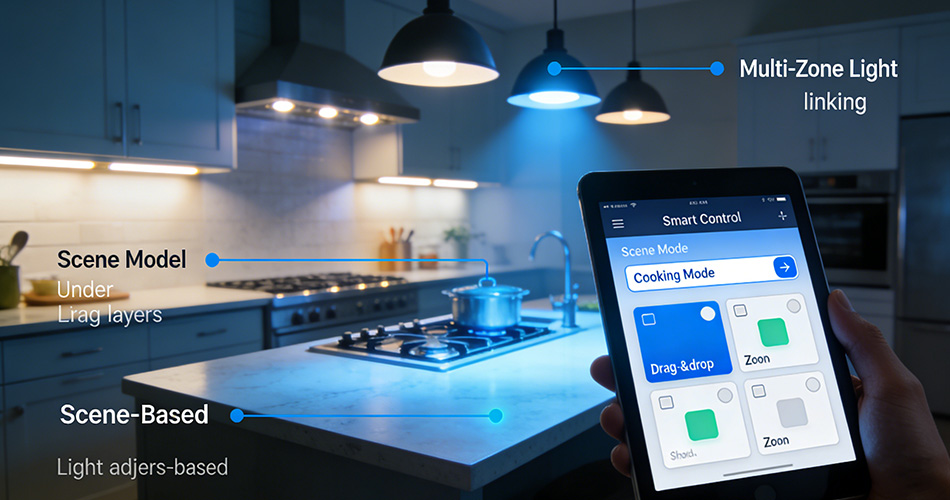
AI automated lighting systems stand out due to three key technical capabilities that drive their superior performance:
First, predictive occupancy and demand forecasting. AI algorithms analyze historical occupancy data, work schedules, event calendars, and even weather patterns to predict lighting demand. For instance, in an office building, the system can forecast that the sales team’s workspace will reach 90% occupancy by 9:15 AM on weekdays, pre-activating optimal lighting before employees arrive. This eliminates the lag time of sensor-based reactive systems and ensures seamless comfort.
Second, personalized adaptive control. AI automated lighting systems learn individual user preferences over time, adjusting brightness, color temperature, and intensity to match specific needs. For example, if an employee consistently dims their desk light to a warm tone during afternoon work, the system will automatically replicate this setting. In public spaces like hotels, the system can adapt lighting to guest behavior, such as dimming lights in a room when a guest turns on the TV.
Third, real-time environmental adaptation. AI integrates data from ambient light sensors, temperature sensors, and even air quality monitors to adjust lighting dynamically. If sudden sunlight streams through windows, the system instantly dims artificial lights to maintain consistent brightness and reduce glare. In industrial settings, it can adjust lighting based on dust levels or equipment operation, ensuring optimal visibility while minimizing energy use.
The versatility of AI automated lighting systems makes them applicable across diverse sectors, each leveraging their capabilities to address unique challenges:
In smart offices, these systems enhance productivity and employee well-being. By syncing with calendar apps and desk sensors, AI automated lighting adjusts to task requirements—providing cool, bright light for focused work and warm, soft light for collaborative meetings. The system also uses occupancy data to identify underused spaces, helping facility managers optimize office layouts for better resource utilization.
Retail environments benefit from AI-driven lighting that boosts customer engagement and sales. AI algorithms analyze foot traffic data, product sales trends, and promotional schedules to adjust lighting in product zones. For example, during a seasonal sale, the system brightens lighting in promotional aisles to attract attention, while dimming non-essential areas to save energy. It also maintains consistent color accuracy to showcase merchandise at its best, regardless of natural light changes.
Healthcare facilities rely on AI automated lighting to support patient recovery and medical procedures. In patient rooms, AI adjusts lighting to align with circadian rhythms—bright, cool light during the day to promote alertness and warm, dim light at night to aid sleep. In operating rooms, the system adapts lighting intensity and angle in real time to avoid glare on surgical sites, integrating with medical equipment to ensure precise illumination for critical tasks.
Educational campuses use these systems to create optimal learning environments. AI analyzes class schedules, student foot traffic, and outdoor light conditions to adjust lighting in classrooms, libraries, and hallways. For example, it brightens lecture halls before classes start and dims study areas during evening hours to reduce eye strain, enhancing concentration and learning outcomes.
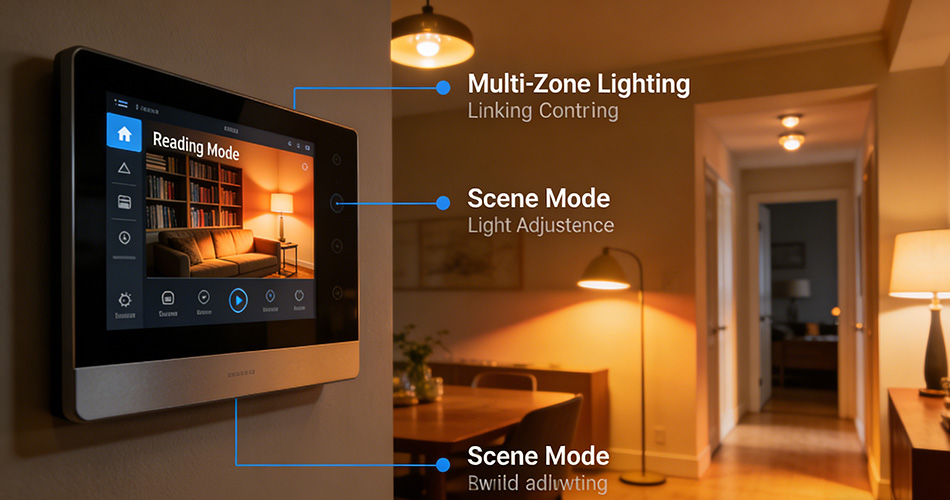
Beyond enhancing user experience, AI automated lighting systems deliver tangible operational and financial benefits:
Significant energy savings are a primary advantage. By predicting demand and adjusting lighting only when and where needed, AI automated lighting systems reduce lighting-related energy consumption by 35-50% compared to traditional systems. For large facilities like shopping malls or industrial plants, this translates to substantial annual cost savings and a reduced carbon footprint.
Reduced operational overhead is another key benefit. The self-learning and self-optimizing capabilities of AI eliminate the need for frequent manual adjustments to lighting schedules or rules. Facility managers also gain access to data-driven insights into lighting usage and space occupancy, enabling informed decisions about maintenance, energy management, and space planning.
Enhanced safety and compliance are additional value drivers. AI automated lighting ensures consistent illumination in high-risk areas like industrial walkways or hospital corridors, reducing the risk of accidents. The systems also simplify compliance with energy efficiency regulations and sustainability standards, helping organizations meet corporate social responsibility goals.
As AI and smart building technology advance, AI automated lighting systems are poised to become even more integrated and intelligent. One key trend is deeper integration with Internet of Things (IoT) ecosystems, enabling lighting to sync with HVAC, security systems, and building management platforms. For example, lighting can adjust in coordination with heating or cooling systems to optimize overall building energy use.
Edge AI deployment is another emerging trend. By processing data locally on edge devices rather than relying on cloud connectivity, AI automated lighting systems reduce latency, improve reliability in poor network conditions, and enhance data security by keeping sensitive occupancy data on-site.
Finally, the rise of personalized lighting as a service (LaaS) will make AI automated lighting more accessible. Organizations can leverage cloud-based AI lighting solutions on a subscription basis, reducing upfront investment and gaining access to continuous software updates and optimization.
In conclusion, AI automated lighting systems are transforming smart buildings by combining the efficiency of automation with the intelligence of AI. Their ability to predict needs, adapt to behavior, and integrate with broader building ecosystems makes them indispensable for modern organizations. As technology advances, these systems will play an increasingly vital role in creating sustainable, efficient, and user-centric built environments. For businesses and institutions looking to stay ahead in the smart building revolution, investing in AI automated lighting systems is a strategic step toward long-term operational excellence.
【Contact us to get a free quote】
Related Articles
The Power of NLC-Certified Automated Lighting Systems | LumiEasy
Indoor Lighting Systems for Smart Industrial Buildings
Automated Lighting Systems: Smart Controls for Commercial and Industrial Buildings
Automated Lighting Systems Warehouse: Transforming Industrial Illumination for Efficiency and Safety
Automated Theatre Lighting Systems: Shaping Narrative and Immersion in Live Performances
The Power of NLC-Certified Automated Lighting Systems | LumiEasy


)
)
)
)

+86 15899791249

+86 755 2955 3313


Address: Huafeng No.1 Science and Technology Park, Sanwei, Bao'an District, Shenzhen, Guangdong, China.
