

Time:2025-12-08
Theatrical performances thrive on the seamless fusion of acting, set design, sound, and lighting—with lighting serving as a silent storyteller that guides audience focus, amplifies emotions, and defines the world of the play. As modern theatre evolves toward more dynamic, immersive, and technically ambitious productions, manual lighting control has become a constraint, limiting the ability to execute complex cues with precision and adapt to the fluidity of live performances. Automated theatre lighting systems have emerged as a transformative solution, integrating intelligent controls, real-time synchronization, and programmable logic to translate creative visions into cohesive, impactful lighting experiences. For theatres, production teams, and lighting designers, these systems are no longer just technical tools but essential collaborators in shaping narrative depth and audience immersion.
Traditional manual lighting control relies on technicians manually triggering cues, adjusting faders, and coordinating with other production elements—an approach that struggles to keep pace with the demands of modern theatre. Complex productions, such as musicals with rapid scene changes, immersive plays with moving audiences, or operas with elaborate set transformations, require hundreds of precise lighting cues executed in perfect timing with dialogue, music, and stage movement. Manual control increases the risk of missed cues, inconsistent timing, and disjointed lighting transitions, which can break the audience’s immersion and dilute the narrative’s emotional impact.
Beyond precision, modern lighting designers seek to push creative boundaries—using dynamic color shifts, layered light effects, and interactive lighting to enhance character development and scene atmosphere. Manual systems limit this creativity by requiring extensive pre-programming and manual adjustment, leaving little room for on-the-fly refinements or adaptations to live performance nuances (such as an actor’s unexpected pause or a technical delay). Automated theatre lighting systems address these gaps by enabling precise, repeatable cue execution and flexible, real-time adjustments, empowering designers to focus on artistic expression rather than technical execution.
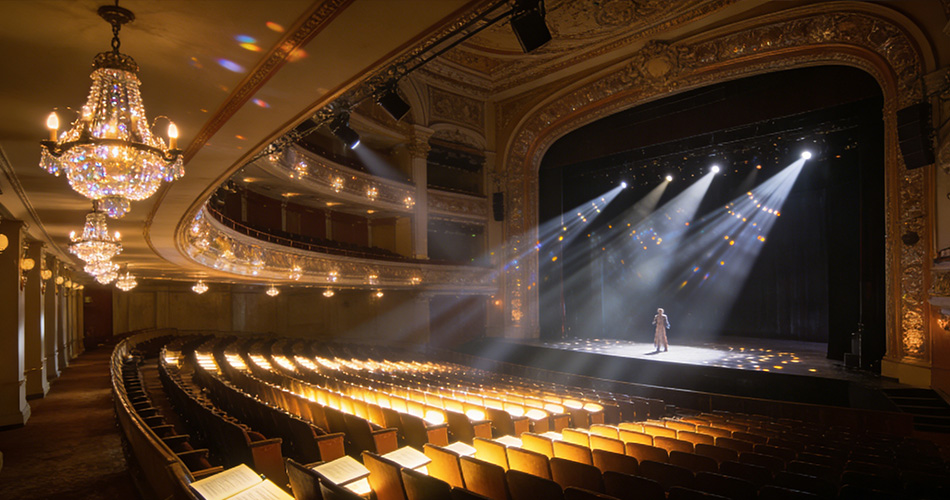
Automated theatre lighting systems are defined by their integrated components and ability to collaborate with other production systems, creating a cohesive technical ecosystem:
At the heart of the system is the lighting console—an intuitive interface that serves as the command center for programming and triggering cues. Modern consoles for automated theatre lighting systems feature visual timeline editors, drag-and-drop cue creation, and 3D previsualization tools, allowing designers to map lighting effects to set elements and actor positions before rehearsals. These consoles integrate seamlessly with dimming systems, moving lights, LED arrays, and special effects (such as fog machines or strobes), enabling centralized control of all lighting elements.
Automated dimming and fixture control are critical components, translating console commands into precise light output. Unlike traditional dimmers, automated theatre lighting systems use digital dimming technology to deliver smooth, stepless transitions between brightness levels—essential for subtle emotional shifts in scenes. They also support advanced fixture control, allowing designers to program complex movements, color changes, and beam shaping for moving lights, all synchronized with other cues.
Synchronization and trigger systems ensure lighting cues align with other production elements. Automated theatre lighting systems can sync with sound systems (triggering cues on specific musical beats or dialogue lines), stage machinery (adjusting lighting as sets move or lifts rise), and even actor-worn sensors (triggering light changes as performers cross specific stage zones). This synchronization creates a cohesive, immersive experience where lighting feels integral to the performance rather than an afterthought.
Automated theatre lighting systems are versatile, adapting to the unique artistic needs of different theatrical genres:
In dramatic plays and straight theatre, these systems excel at subtle, character-driven lighting. Designers can program automated cues that shift light intensity or color to mirror a character’s emotional arc—for example, dimming warm lights to cool tones as a character’s mood darkens. The precision of automated control ensures these subtle changes are executed consistently, enhancing the narrative’s emotional resonance without distracting the audience.
Musicals and operas leverage the dynamic capabilities of automated theatre lighting systems to match the energy of song and dance. Systems can execute rapid, synchronized cues that shift with musical numbers—brightening stage lights for ensemble numbers, focusing spotlights on solo performers, and creating rhythmic color changes that align with the music. For large-scale operas with elaborate set pieces, automated systems control hundreds of lighting channels, enabling grand, sweeping effects that complement the production’s scale.
Immersive and site-specific theatre pushes the boundaries of these systems, using automation to create interactive lighting environments. Automated theatre lighting systems integrate with motion sensors, audience tracking technology, and interactive props to trigger light changes based on audience movement. For example, as audience members walk through a immersive play’s set, lights may brighten to highlight key story elements or shift color to indicate a change in scene location, blurring the line between performer and spectator.
Children’s theatre and pantomimes benefit from the system’s ability to create whimsical, dynamic lighting effects. Automated cues can simulate weather (such as twinkling lights for stars or flashing lights for thunderstorms) or transform set pieces with color changes, enhancing the production’s visual appeal and engaging young audiences.
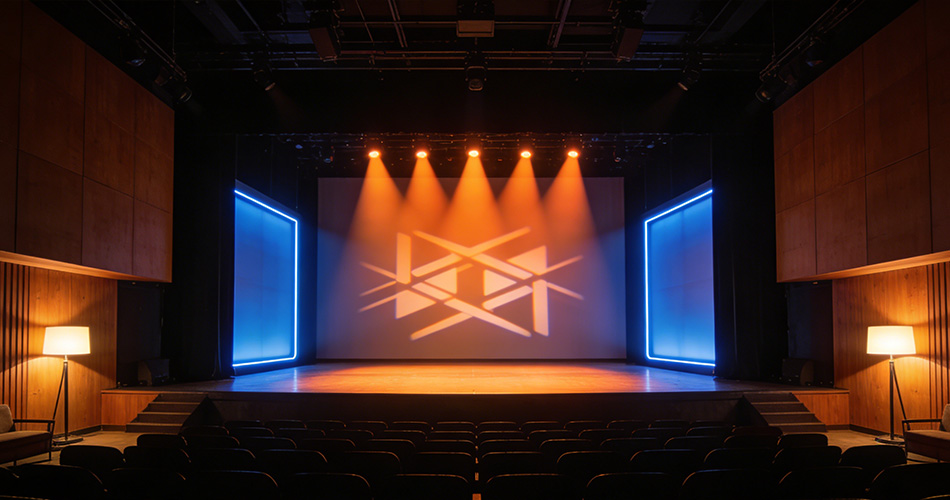
Beyond artistic enhancement, these systems deliver tangible operational and strategic benefits for theatres:
Elevated artistic consistency. Automated theatre lighting systems ensure that lighting cues are executed precisely the same way at every performance, maintaining the designer’s vision across runs, tours, or understudy performances. This consistency is critical for preserving the production’s artistic integrity and ensuring audiences have a uniform, high-quality experience.
Reduced technical workload. By automating cue execution and synchronization, the systems reduce the number of technicians needed during performances, freeing staff to focus on other critical tasks (such as set changes or actor safety). This efficiency is particularly valuable for small to mid-sized theatres with limited technical resources.
Flexibility for live adaptations. Despite their automation, modern systems allow for real-time adjustments, enabling technicians to adapt lighting cues to unexpected changes (such as an actor’s ad-lib, a technical delay, or a last-minute script revision). This flexibility ensures the performance remains seamless even when unplanned events occur.
Extended production lifespan. The ability to save and archive lighting cues makes it easier for theatres to revive productions in future seasons. Designers can revisit and refine cue lists without starting from scratch, reducing the time and cost of remounting shows.
As theatrical technology evolves, automated theatre lighting systems are becoming more intelligent and integrated with emerging technologies:
AI-assisted cue design is an emerging trend. AI-powered systems can analyze scripts or rehearsal footage to suggest lighting cues that align with narrative beats or emotional shifts, helping designers streamline the programming process. They can also learn from a designer’s preferences, automating repetitive tasks and freeing up time for creative refinement.
VR previsualization integration is transforming the design process. Automated theatre lighting systems are increasingly syncing with virtual reality tools, allowing designers to previsualize lighting effects in a 3D virtual model of the stage before the physical set is built. This reduces the need for on-stage testing, saves rehearsal time, and enables more ambitious, complex lighting designs.
Sustainable lighting solutions are gaining traction. Manufacturers are developing automated theatre lighting systems that integrate energy-efficient LED fixtures and smart power management features (such as low-power standby modes or energy recovery). These features reduce theatres’ energy consumption and carbon footprints, aligning with the industry’s growing focus on sustainability.
In conclusion, automated theatre lighting systems have redefined the role of lighting in live theatre, transforming it from a technical support function to a core artistic collaborator. Their ability to deliver precise, consistent cues, sync with other production elements, and adapt to diverse theatrical genres makes them indispensable for modern theatres. As AI, VR, and sustainable technologies advance, these systems will continue to push the boundaries of what’s possible in theatrical lighting, enabling more immersive, emotionally resonant, and innovative performances. For theatres looking to elevate their artistic output, streamline operations, and engage audiences in new ways, investing in automated theatre lighting systems is a strategic choice that delivers long-term artistic and operational value.
【Contact us to get a free quote】
Related Articles
Indoor Lighting Systems for Smart Industrial Buildings
Automated Lighting Systems: Smart Controls for Commercial and Industrial Buildings
Automated Lighting Systems Warehouse: Transforming Industrial Illumination for Efficiency and Safety
AI Automated Lighting Systems: Redefining Efficiency and Intelligence in Smart Buildings


)
)
)
)

+86 15899791249

+86 755 2955 3313


Address: Huafeng No.1 Science and Technology Park, Sanwei, Bao'an District, Shenzhen, Guangdong, China.
