

Time:2025-11-21
Industrial smart lighting systems—equipped with IoT connectivity, sensors, and rugged designs like IP65 dustproof/waterproof ratings—are critical for modern factories, warehouses, and industrial facilities. They deliver energy savings, safety enhancements, and operational flexibility. However, to maximize their lifespan (target: 100,000+ hours) and retain peak performance, proactive industrial smart lighting maintenance is non-negotiable. Poor maintenance can lead to 30% higher energy costs, 40% increased downtime, and non-compliance with safety standards (OSHA, ISO). This guide breaks down actionable maintenance strategies tailored for industrial environments, optimized for Google search intent and real-world application.
Industrial smart lighting is an investment—one that pays dividends only with proper care. Here’s why maintenance is critical:
Cost Savings: Well-maintained fixtures use 20-30% less energy and reduce replacement costs by 50% (average lifespan extends from 5 to 7+ years).
Safety Compliance: Dimmed or faulty lighting increases workplace accidents by 35% (OSHA data). Maintenance ensures illumination meets industry standards (1000-2000 lux for industrial tasks).
Smart Functionality Preservation: Sensors, dimming controls, and IoT connectivity degrade over time—maintenance prevents false triggers, connectivity loss, and data inaccuracies.
Regulatory Alignment: Industries like food processing (FDA) and manufacturing (IATF 16949) require documented maintenance to pass audits.
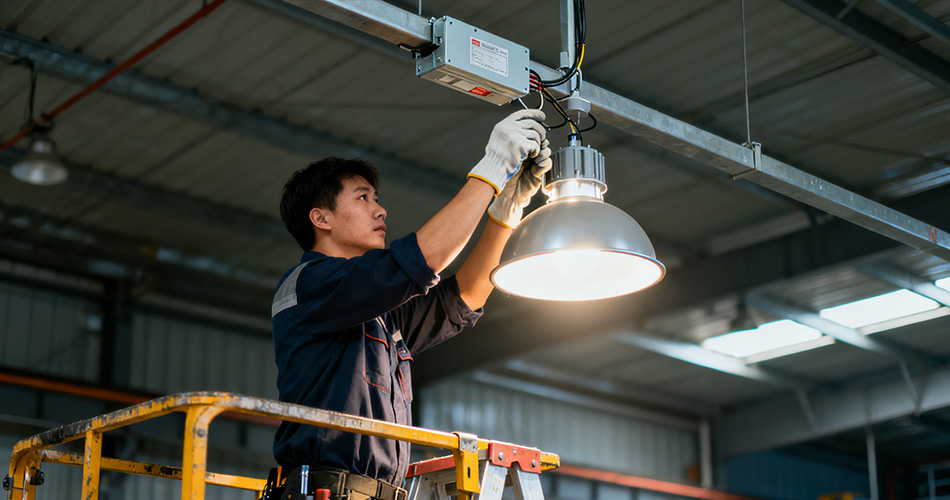
Dust, grease, and debris are industrial lighting’s biggest enemies. For IP65-rated fixtures:
Clean lenses with a soft microfiber cloth and mild detergent (avoid abrasive cleaners) to remove dust buildup (reduces light output by 10-15% if left unchecked).
Use low-pressure compressed air (≤50 psi) to clear dust from sensor lenses and heat sinks—critical for thermal management and sensor accuracy.
For washdown environments (food processing), use Ecolab-certified cleaners to avoid damaging gaskets or corrosion-resistant coatings.
Smart lighting’s value lies in its sensors and IoT integration—prioritize these tasks:
Calibrate motion/radar sensors (detection range 15-25m) using laser alignment tools to avoid false triggers from machinery or debris.
Test 5G/LoRaWAN connectivity via cloud dashboards (e.g., Philips Interact IoT, Azure IoT Hub) to ensure real-time data transmission.
Update firmware quarterly to fix bugs and enhance compatibility with industrial systems (PLCs, MES, WMS).
For rugged fixtures (IP65, heavy-duty):
Inspect gaskets and cable glands for wear—replace annually to preserve dustproof/waterproof integrity (water ingress is the #1 cause of IP65 fixture failure).
Tighten mounting brackets (torque to manufacturer specs) to combat vibration from machinery—loose hardware leads to structural damage over time.
Check corrosion-resistant coatings (polyurethane, stainless steel) for chips or rust—touch up with manufacturer-approved paint to extend durability.
Use thermal imaging cameras to detect overheating drivers or wiring (normal driver temperature: 60-85℃).
Test LED lumen output—replace modules if brightness drops below 80% of rated lumens.
Verify battery backup (for emergency lighting) meets runtime requirements (≥180 minutes for industrial settings).
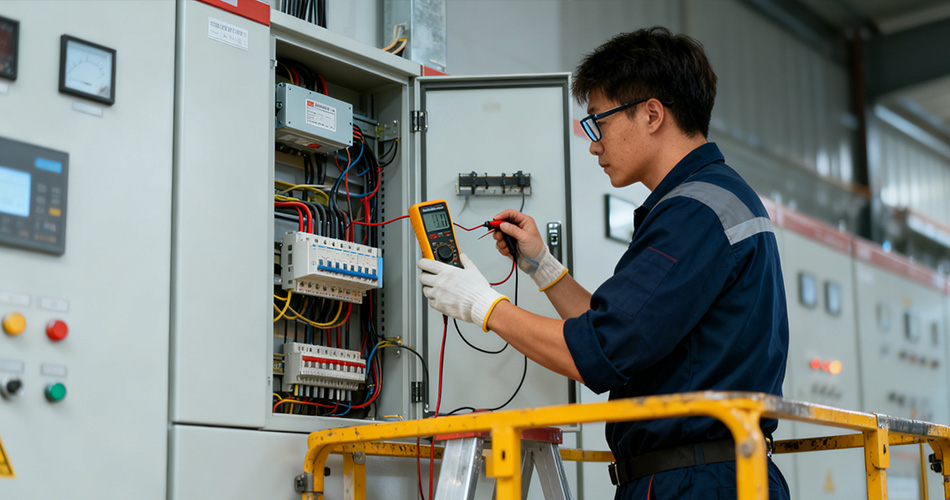
Different industrial environments demand targeted care:
Manufacturing Plants: Increase vibration checks to monthly; clean paint overspray from fixtures bi-weekly (use solvent-compatible cleaners for automotive paint shops).
Warehouses/Logistics: Focus on high-bay fixture lens cleaning (dust from pallets) and AGV-sensor alignment (ensure pre-activation of lighting corridors).
Food Processing: Post-washdown gasket inspections (weekly) and UV-C bulb replacement (semi-annually for integrated disinfection systems).
Cold Storage: Use silicone-based lubricants for gaskets (prevents hardening at -35℃) and defrost anti-frost optics monthly.
Leverage smart tools to streamline maintenance and reduce labor costs:
IoT Cloud Platforms: Real-time alerts for temperature spikes, connectivity loss, or sensor malfunctions (cuts on-site inspections by 60%).
Thermal Imaging Cameras: Identify hidden issues like overheating drivers without disassembling fixtures.
Mobile Maintenance Apps: Document tasks, track maintenance schedules, and generate compliance reports (e.g., IBM Maximo, Fiix).
Laser Sensor Calibrators: Ensure accurate detection ranges for motion/radar sensors.
Skipping firmware updates (leads to compatibility issues with industrial systems).
Using high-pressure water jets to clean IP65 fixtures (damages gaskets and voids warranties).
Ignoring vibration damage (loose brackets cause premature fixture failure).
Delaying gasket replacement (water ingress repairs cost 3x more than proactive replacement).
Industrial smart lighting maintenance isn’t just a chore—it’s a strategic investment that boosts efficiency, safety, and ROI. By following a structured schedule (weekly cleaning, monthly connectivity checks, annual component inspections) and tailoring tasks to your environment, you can extend fixture lifespan, reduce energy costs, and stay compliant with industry regulations. For complex systems, partner with certified technicians to ensure maintenance aligns with manufacturer guidelines and industrial standards. Start today—your bottom line and workplace safety depend on it.
Optimize your industrial smart lighting’s performance with proactive maintenance—contact our team for a customized maintenance checklist or professional support.
Related news
Indoor Lighting Sensor Guide for Efficient Smart Light Automation
Commercial Smart Lighting Cost Analysis: Unlocking Long-Term Savings for Businesses
Commercial Smart Lighting Solutions for Energy-Saving Buildings
Scalable Smart Lighting Solutions Grow With Your Commercial Success


)
)
)
)

+86 15899791249

+86 755 2955 3313


Address: Huafeng No.1 Science and Technology Park, Sanwei, Bao'an District, Shenzhen, Guangdong, China.
