

Time:2026-03-02
In the era of Industry 4.0, factories are no longer just production sites—they are intelligent ecosystems driven by automation, data analytics, and connected infrastructure. Among the core technologies enabling this transformation is advanced lighting control. NLC solutions for modern smart factories represent a new generation of intelligent, energy-efficient, and scalable lighting systems designed specifically for industrial environments.
For manufacturers seeking higher productivity, lower operating costs, and improved compliance with international energy standards, understanding NLC-based lighting strategies is essential. This guide explains how LumiEasy integrates advanced lighting control technologies into smart factory environments while clarifying commonly searched NLC-related terms to help your business make informed decisions.
Online searches such as “nlc lol” often refer to unrelated gaming topics. However, in industrial infrastructure and building automation, NLC stands for Networked Lighting Controls.
In a manufacturing environment, NLC represents a system where lighting fixtures, sensors, controllers, and management software are interconnected through digital communication networks. Instead of operating as isolated fixtures, luminaires become data-driven assets that:
Communicate occupancy and daylight data
Enable real-time energy monitoring
Support centralized or cloud-based management
Integrate with building management systems (BMS)
Improve operational efficiency across production zones
Unlike traditional lighting systems, NLC platforms allow factory managers to control thousands of fixtures from a single dashboard, optimizing output and reducing unnecessary power consumption.
At LumiEasy, our NLC-ready luminaires and controllers are engineered for industrial durability, scalable deployment, and seamless system integration.
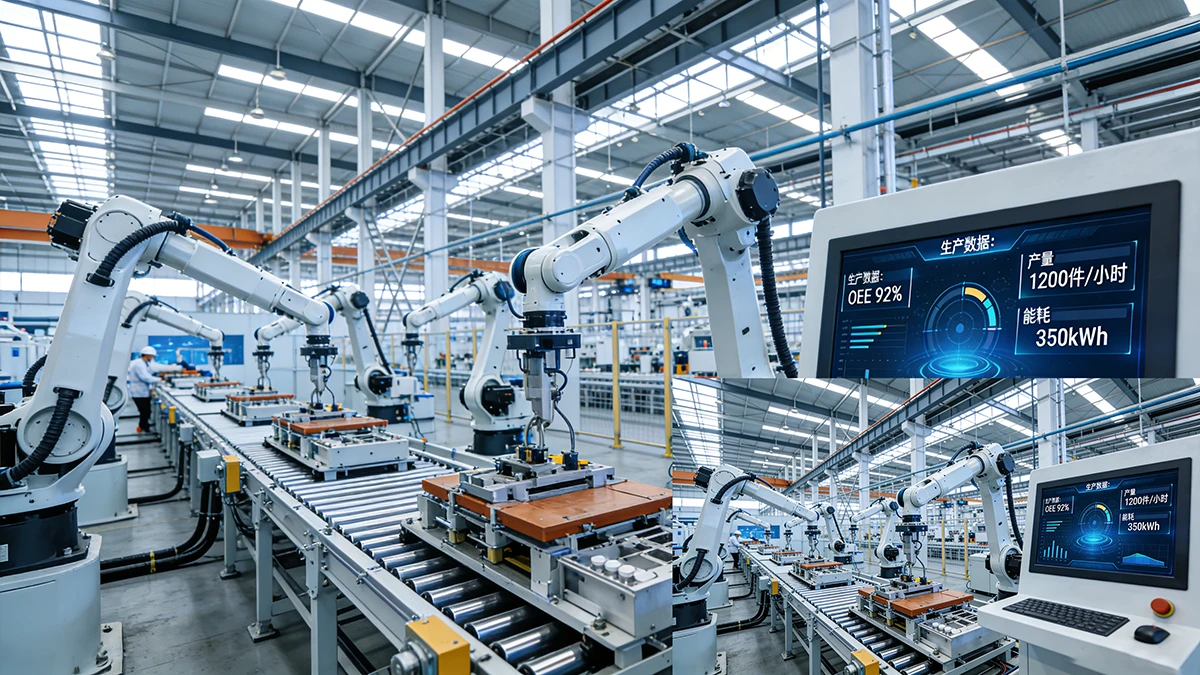
Search queries such as “nlc states” may refer to regulatory or regional frameworks in other industries. In the context of smart factories, however, NLC implementation often varies depending on:
Regional energy efficiency regulations
Utility rebate eligibility requirements
Local electrical codes
Carbon neutrality mandates
Different regions encourage or require advanced lighting controls as part of industrial modernization programs. NLC solutions help factories meet evolving compliance requirements while improving sustainability performance.
For export-oriented manufacturers, adopting NLC-enabled lighting also enhances ESG reporting and strengthens competitiveness in global supply chains.
Similarly, “nlc compact states” may be associated with unrelated sectors, but in lighting control technology, compact NLC architectures are increasingly popular in retrofit projects.
Compact NLC systems are designed for:
Space-constrained electrical rooms
Distributed warehouse zones
Modular factory expansions
Phased lighting upgrades
LumiEasy provides modular NLC control units that allow factory operators to scale from a single production line to an entire industrial park without replacing the core infrastructure. This ensures long-term investment protection.
An NLC compact solution refers to a simplified yet fully compliant networked lighting control configuration that maintains advanced features while reducing installation complexity.
In modern factories, this includes:
Wireless sensor networks
Integrated drivers with embedded controls
Power-over-Ethernet (PoE) lighting
Plug-and-play commissioning
Compact NLC deployment reduces wiring labor, minimizes downtime during upgrades, and accelerates ROI for industrial clients.
The keyword “nlc nursing” typically refers to healthcare licensing frameworks. However, it highlights an important point: NLC as a term appears across industries, but in smart factory lighting, its meaning is strictly tied to Networked Lighting Controls.
For industrial applications, NLC is not about licensing—it is about intelligent lighting infrastructure capable of:
Energy optimization
Advanced automation
Predictive maintenance
Data-driven performance analysis
LumiEasy focuses exclusively on industrial-grade NLC lighting systems designed for factories, warehouses, and production facilities.
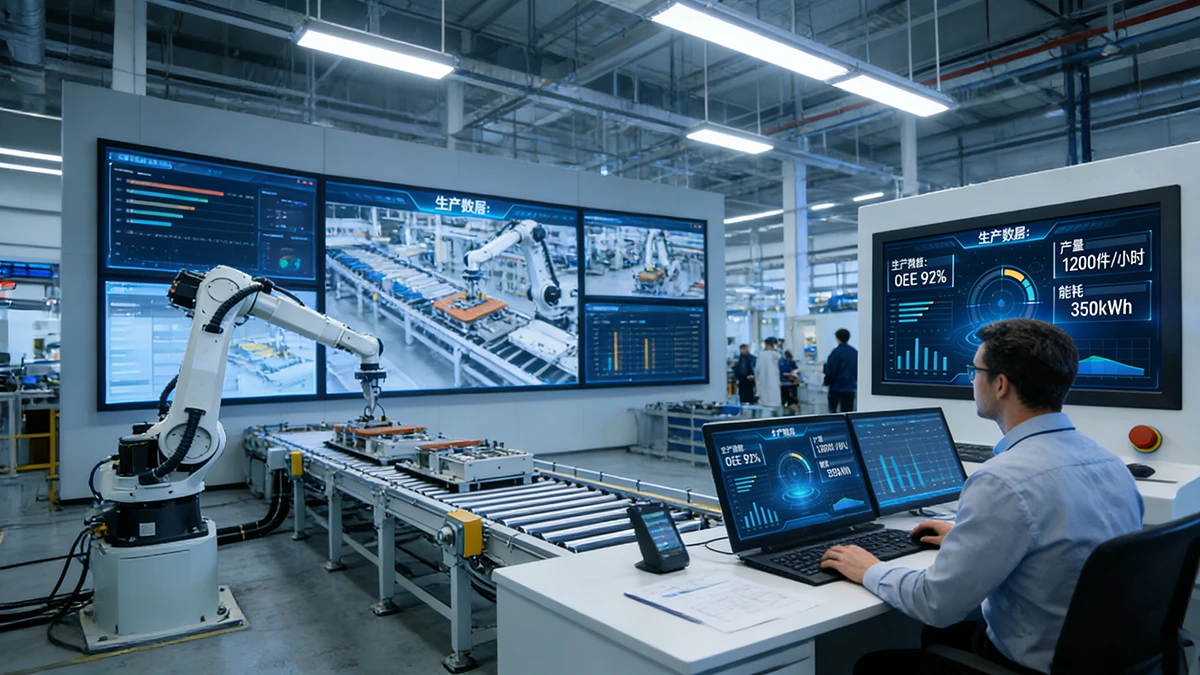
Modern factories demand compliance with evolving energy efficiency programs and technical standards. NLC lighting control standards ensure that lighting systems:
Support occupancy-based dimming
Provide daylight harvesting capability
Enable high-end trim and task tuning
Maintain detailed energy reporting
Compliance with recognized standards ensures eligibility for rebates and improves long-term operational savings.
LumiEasy products are engineered to align with major international efficiency programs and connected lighting frameworks, helping industrial clients meet both internal and external sustainability goals.
Certification plays a critical role in industrial procurement decisions. NLC connected system certification validates that a lighting control solution meets performance, interoperability, and reliability benchmarks.
Certified NLC systems provide:
Verified energy savings
Standardized communication protocols
Secure network integration
Scalable architecture for expansion
For factory operators, certification reduces technical risk and ensures system longevity.
One of the most transformative technologies in smart factory lighting is NLC power over ethernet (PoE).
PoE-based lighting systems:
Deliver both power and data through a single cable
Reduce copper wiring requirements
Simplify installation
Enable flexible zone reconfiguration
Improve safety and low-voltage operation
In dynamic production environments where machinery layouts frequently change, PoE-based NLC lighting allows fast adaptation without major electrical rewiring.
LumiEasy offers PoE-compatible fixtures designed for industrial high-bay and warehouse applications, ensuring stable performance even in high-temperature or dusty conditions.
Energy efficiency in factories is not just about switching lights on and off. It is about continuous optimization.
NLC daylight harvesting protocols allow luminaires to automatically adjust brightness based on natural light levels entering through skylights, windows, or translucent roofing panels.
Key advantages include:
Reduced energy consumption
Extended fixture lifespan
Improved worker comfort
Stable illumination consistency
In large-scale production facilities, daylight harvesting can reduce lighting energy usage by 20–40%, depending on building layout.
A modern smart factory depends on precision, automation, and real-time visibility. Lighting is no longer a static utility—it is a connected data layer.
LumiEasy NLC solutions provide:
Occupancy sensors, daylight sensors, and programmable scheduling work together to deliver adaptive illumination based on operational needs.
Advanced dimming curves and high-efficacy LED drivers reduce total power consumption while maintaining required lux levels.
Factory managers gain visibility into energy usage patterns, maintenance alerts, and performance diagnostics.
Production lines, storage areas, and inspection zones can be independently configured for optimal lighting conditions.
Modular system design allows integration with IoT platforms, environmental sensors, and digital twin systems.
For factory-type customers, a successful NLC upgrade involves structured planning:
Evaluate existing fixtures, energy usage, and illumination uniformity.
Determine wired vs wireless topology, PoE feasibility, and zone segmentation.
Confirm adherence to NLC lighting control standards and connected system certification requirements.
Deploy hardware, configure software, and validate performance metrics.
Use data analytics to refine schedules and improve energy savings.
LumiEasy supports industrial partners throughout this lifecycle—from design consultation to after-sales technical assistance.
Factories adopting NLC-based smart lighting commonly achieve:
30–60% lighting energy reduction
Lower peak demand charges
Reduced maintenance costs
Improved worker productivity
Enhanced ESG reporting capability
The financial and operational benefits extend beyond electricity savings. Intelligent lighting directly supports automation, safety compliance, and operational resilience.
In the context of industrial lighting, NLC stands for Networked Lighting Controls. It refers to a connected lighting system where fixtures, sensors, and controllers communicate digitally to improve efficiency, automation, and monitoring. LumiEasy provides industrial NLC solutions designed for smart factories and large-scale production environments.
“NLC League of Legends” refers to a professional esports competition. This is unrelated to industrial lighting. In smart factory applications, NLC specifically means Networked Lighting Controls used to manage and optimize lighting systems.
The NLC League of Legends is a regional esports tournament. It has no connection to lighting systems. When discussing factory infrastructure, NLC refers to advanced connected lighting technologies implemented by companies like LumiEasy.
As factories evolve toward intelligent automation and data-driven operations, lighting systems must evolve as well. NLC solutions for modern smart factories provide a scalable, energy-efficient, and future-ready approach to industrial illumination.
By adopting NLC lighting control standards, connected system certification, PoE architecture, and daylight harvesting protocols, manufacturers can significantly enhance operational performance while reducing costs.
LumiEasy is committed to delivering industrial-grade smart lighting systems engineered for durability, compliance, and measurable ROI. If your factory is planning a modernization upgrade, now is the time to integrate advanced NLC solutions into your infrastructure strategy.
Related news
Daylight Harvesting Integration in Smart Lighting Control | LumiEasy
Daylight Harvesting Calibration Accuracy: Boost Energy Efficiency
Optimize Energy Use with Daylight Harvesting


)
)
)
)

+86 15899791249

+86 755 2955 3313


Address: Huafeng No.1 Science and Technology Park, Sanwei, Bao'an District, Shenzhen, Guangdong, China.
